
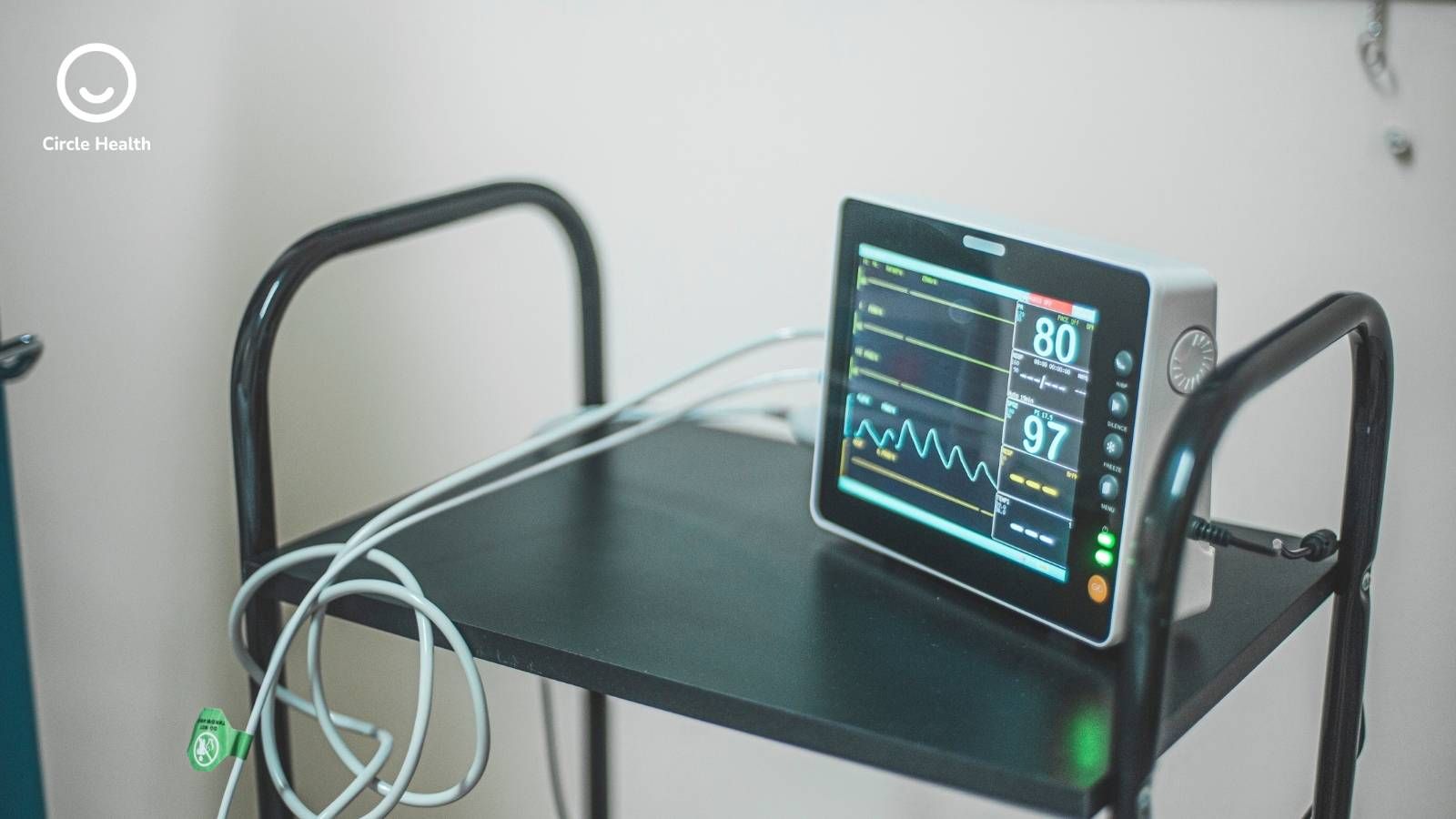
Learn how remote monitoring supports congestive heart failure care, including key devices, CPT billing codes, and best practices for providers.
Congestive heart failure (CHF) is one of the leading causes of hospital readmissions in the United States. According to CDC heart failure data (https://www.cdc.gov/heart-disease/about/heart-failure.html), nearly 6.7 million adults nationwide live with the condition, and small changes in weight, blood pressure, or heart rhythm can signal a dangerous exacerbation days before symptoms turn severe. Remote patient monitoring (RPM) lets care teams catch these changes early, adjust treatment before a crisis develops, and keep patients safely at home. For providers building or refining a CHF monitoring program, understanding the right devices, billing codes, and workflows is essential to delivering consistent, reimbursable care.
Why Remote Monitoring Matters for CHF Patients
CHF patients often experience fluid retention and blood pressure fluctuations that build gradually before triggering an acute event. Continuous data collection allows clinicians to intervene proactively rather than reactively.
- Detects early warning signs, such as sudden weight gain, before hospitalization is needed
- Reduces avoidable emergency visits and readmissions
- Keeps patients engaged in their own care between visits
- Supports medication titration with real-time data
- Extends clinical oversight without extra in-person visits
Key Devices Used in CHF Remote Monitoring
A CHF monitoring program typically combines several FDA-cleared devices to capture a complete physiologic picture. Each device targets a specific indicator of heart failure progression.
- Digital weight scales – Track daily fluctuations, since rapid weight gain is often the first sign of fluid retention
- Blood pressure monitors – Flag hypertensive or hypotensive trends that may signal medication issues
- Pulse oximeters – Monitor oxygen saturation, which can decline as heart failure worsens
- ECG and cardiac monitors – Detect arrhythmias or rate irregularities requiring prompt attention
- Implantable pulmonary artery pressure sensors – Used in advanced cases to catch pressure changes early
- Connected symptom-tracking apps – Let patients log shortness of breath, swelling, or fatigue alongside readings
Choosing devices that transmit data automatically, rather than requiring manual entry, improves compliance and reduces billing gaps. For a closer look at how these tools are structured and reimbursed, see this breakdown of RPM devices, including how remote pulse oximetry monitoring fits into a broader device mix.
CPT Codes for CHF Remote Monitoring
Medicare reimburses RPM through a defined set of CPT codes, and CHF programs typically rely on the same core codes used across chronic disease monitoring. Recent CCM and RPM code updates (https://circle.healthcare/blogs/cms-rpm-and-ccm-code-changes/) have expanded billing flexibility.
- 99453 – Initial setup and patient education on device use, billed once per episode
- 99454 – Device supply with data transmission for 16+ days in 30 days
- 99445 – Device supply for 2–15 days of transmission, for shorter monitoring cycles
- 99457 – First 20 minutes of monthly treatment management time, requiring live interactive communication
- 99458 – Add-on code for each additional 20 minutes beyond 99457
- 99470 – First 10 minutes of treatment management time, for lighter-touch engagement
- 99091 – Physician time spent collecting and interpreting physiologic data
A few billing notes worth keeping in mind:
- 99454 and 99445 cannot both be billed in the same 30-day period for one patient
- 99457 and 99470 cannot both be billed in the same calendar month
- Interactive communication must be live and synchronous; texts or voicemails don't qualify
- Devices must transmit data digitally rather than through manual patient entry
Because reimbursement rules change periodically, review the official CMS RPM guidelines directly, alongside this summary of recent RPM reimbursement changes (https://circle.healthcare/blogs/cms-proposed-rule-simplified-rpm/), before auditing a CHF program.
Best Practices for a CHF Remote Monitoring Program

A well-run program depends as much on workflow design as on the devices themselves, and growing CCM reimbursement makes that investment increasingly worthwhile.
- Set clear escalation thresholds. Define specific weight gain, blood pressure, or oxygen saturation ranges that trigger a clinical review.
- Assign dedicated staff to review data daily. Delayed review defeats the purpose of continuous monitoring.
- Document every interactive communication. Treatment management codes require live communication, so log the date, method, and content of each patient interaction.
- Verify the transmission threshold before billing. Confirm the correct device-supply code based on how many days of data were transmitted.
- Educate patients at enrollment. Patients who understand why they're checking their weight or blood pressure daily are more likely to stay compliant.
- Coordinate with existing chronic care programs. RPM can often be billed alongside CCM or TCM services; CCM plus RPM builds a more complete picture of a patient's health.
- Audit data completeness monthly. Check that devices are transmitting consistently and follow up on any gaps.
Conclusion
Remote monitoring has become a practical, evidence-supported tool for managing congestive heart failure between office visits. Success depends on selecting the right devices, applying CPT codes accurately, and building workflows that turn incoming data into timely clinical action. Programs that pair reliable devices with disciplined documentation and clear escalation protocols are best positioned to reduce hospitalizations, support patients at home, and bill compliantly under current Medicare rules.
Frequently Asked Questions
What is remote monitoring for congestive heart failure?
Remote monitoring for congestive heart failure (CHF) uses connected devices-such as weight scales, blood pressure monitors, and pulse oximeters-to track a patient's health data at home and securely transmit it to their care team for review between office visits.
Which CPT codes are used for CHF remote monitoring?
The primary CPT codes for CHF remote patient monitoring include 99453 (device setup and patient education), 99454 or 99445 (device supply, depending on the number of transmission days), 99457 or 99470 (treatment management time), 99458 (additional treatment management time), and 99091 (physician data review).
How many days of data are needed to bill for RPM?
Patients must transmit health data for at least 2 days within 30 days to qualify for RPM billing. CPT 99445 applies to 2–15 days of transmitted data, while 99454 applies to 16–30 days.
Can RPM be billed alongside other chronic care programs?
Yes. Remote Patient Monitoring (RPM) can generally be billed during the same service period as Chronic Care Management (CCM) and Transitional Care Management (TCM), provided the documented time and services do not overlap.
Does RPM reduce hospital readmissions for heart failure patients?
Yes. Clinical studies have shown that consistent use of Remote Patient Monitoring, combined with timely clinical follow-up, can reduce heart failure-related hospitalizations by enabling earlier detection of changes in a patient's condition and allowing for prompt intervention.