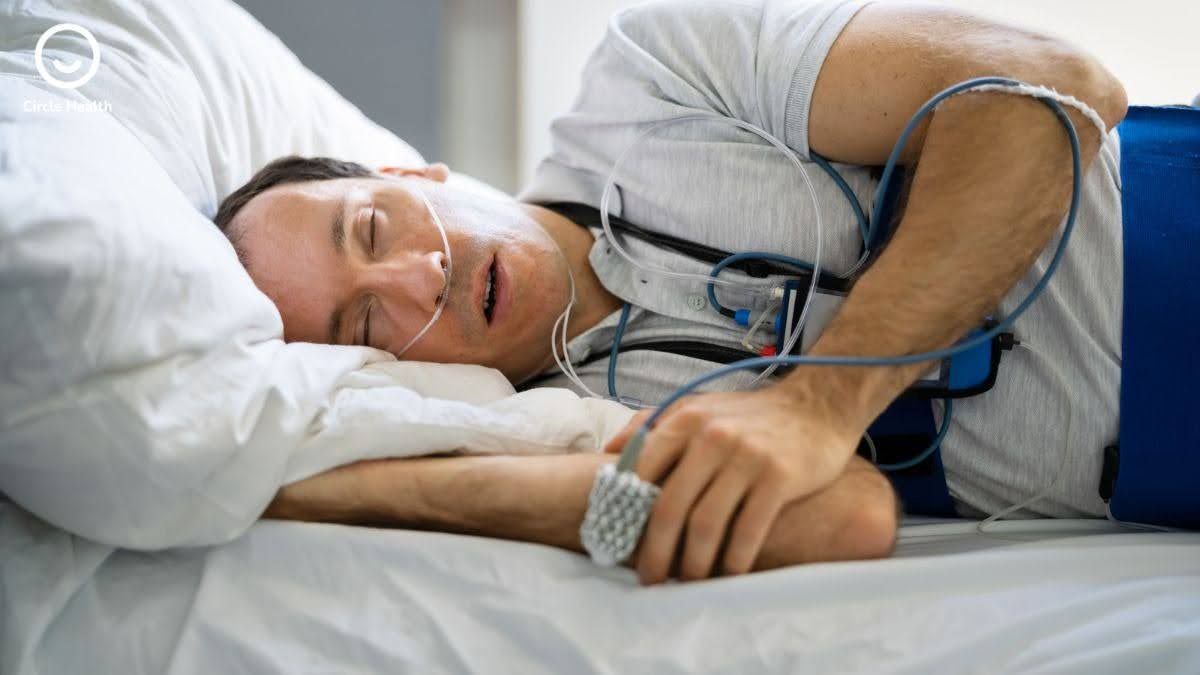
Wearable devices in remote patient monitoring are body-worn sensors, such as ECG patches, continuous glucose monitors, smartwatches and smart rings, that collect health data throughout the day and send it to a care team. Unlike a blood pressure cuff or scale that takes one reading on demand, a wearable can capture data continuously, including during sleep and activity. That makes it powerful for spotting early changes, but only some wearables are accurate and regulated enough for clinical decisions or Medicare billing. This guide explains which ones are, where they help most and what changes in 2027.
Wearables in healthcare at a glance
The gap between these numbers tells the story. Patients are wearing these devices and want to share the data, but clinical proof and clinical workflows are still catching up.
What Counts as a Wearable Device in Remote Patient Monitoring?
A wearable device in remote patient monitoring is any sensor worn on the body that automatically measures a physiologic signal and transmits it for clinical review. The key difference is between consumer wellness wearables and medical-grade wearables.
The line moved in 2026. In January, the FDA updated its general wellness policy for low risk devices, which now allows some non-invasive wearables that estimate blood pressure, blood glucose or oxygen levels to be marketed as wellness products, as long as they make no disease claims. For clinicians, that means a reading on a consumer device does not mean the device was cleared for medical use. Always check its regulatory status before relying on it for care.
Types of Wearable Devices Used in RPM
Not every wearable fits every program. This table shows the main categories, what they measure and whether they are commonly used for billable RPM.
For deeper looks at two of the most common categories, see our guides to remote glucose monitoring and remote pulse oximetry monitoring.
Wearables vs. Traditional RPM Devices
Wearables and traditional connected devices solve different problems, and most strong programs use both.
A patient with heart failure, for example, might use a cellular scale and blood pressure cuff for daily readings and a short-term ECG patch when palpitations need to be investigated.
The Sensors Behind the Data
Most wearables combine a few core sensors:
- Optical (PPG) sensors shine light into the skin to estimate heart rate, oxygen saturation and, in some devices, blood pressure trends.
- Electrodes record the heart's electrical activity for ECG.
- Accelerometers and gyroscopes track steps, movement, falls and sleep.
- Temperature sensors track skin temperature, which can signal infection or recovery issues.
- Microneedle or filament sensors in CGMs measure glucose in the fluid under the skin.
Where Wearables Make the Biggest Difference
Wearables add the most value when a condition changes quickly, happens unpredictably or matters most outside office hours.
Heart Rhythm Problems
Atrial fibrillation often comes and goes. A two-week ECG patch or a watch with rhythm alerts can capture episodes that a 10-second office ECG misses, which helps confirm a diagnosis and guide anticoagulation decisions.
Diabetes
CGMs show glucose trends every few minutes, including overnight lows that fingersticks miss. Care teams can see time in range and adjust insulin between visits instead of waiting three months for an A1C result.
COPD and Breathing Conditions
Wrist-worn pulse oximeters and patches that track breathing rate can show oxygen dips during sleep or activity. Paired with symptom check-ins, these trends help teams spot an exacerbation early and adjust inhalers or steroids before a patient needs the emergency room.
Hospital-at-Home and Post-Discharge Care
Multi-parameter patches let teams watch heart rate, breathing and temperature continuously after discharge or during acute care at home, flagging early signs of infection or deterioration.
Older Adults and Safety
Fall-detection wearables and GPS devices help older adults live independently and alert families or care teams in an emergency. For patients with memory loss, see our guide to remote tracking devices for Alzheimer patients.
Neurological Conditions
Movement sensors can track tremor, gait and activity in conditions such as Parkinson's disease. This is one of the most-studied areas, though much of it is still in research rather than routine care.
What the Research Actually Shows
The evidence for wearables is growing fast, but it is less complete than marketing suggests.
- Wrist devices dominate. A 2025 scoping review of 80 outpatient studies found that watches and bracelets were used in 63% of them, and wrist-worn devices made up about 72% of all devices studied.
- Few randomized trials. Only 6 of those 80 studies (8%) were randomized controlled trials, and 4 of the 6 showed a positive clinical effect. The authors concluded that evidence for clinical effectiveness remains limited.
- Usability is under-reported. Wear time or dropout was reported in 64% of studies, but patient-reported usability in only 16% and technology literacy in just 1%.
- Chronic disease focus is growing. A February 2026 systematic review of 61 studies on people with two or more chronic conditions found that 64% of RPM programs used wearable bands, and cardiovascular care led all applications at 25%.
The takeaway for practices: wearables are best used where they are proven, such as CGMs and ECG patches, and as supporting data elsewhere, not as a replacement for validated devices.
The Limits Practices Need to Plan For
Wearables bring new problems along with new data. Planning for them up front protects patients and staff.
- Accuracy: The 2025 AHA/ACC high blood pressure guideline does not recommend cuffless devices, such as smartwatches, for diagnosing or managing hypertension. A validated upper-arm cuff is still the standard for blood pressure RPM.
- Data overload: Continuous data creates thousands of readings per patient. Without clear thresholds and triage, alert fatigue sets in quickly.
- Privacy: Data held by a consumer app is not always covered by HIPAA. Once it enters your clinical platform, it is. Use HIPAA-compliant platforms and business associate agreements.
- Equity: Wearable owners tend to be younger, wealthier and healthier, so the patients who need monitoring most are often the least likely to own one. Providing devices helps close that gap.
- Battery and wear time: A device that needs daily charging or is uncomfortable will not be worn. Set realistic expectations with patients.
Can Wearable Data Be Billed Under Medicare RPM?
Yes, but only when the device and the program meet Medicare's rules. Most consumer smartwatches and rings do not qualify.
Medicare RPM requires:
- A device that meets the FDA definition of a medical device
- Automatic data upload, not self-reported readings
- An acute or chronic condition, with patient consent
- One practitioner billing RPM per patient in a 30-day period
2027 rates are estimates and vary by locality.
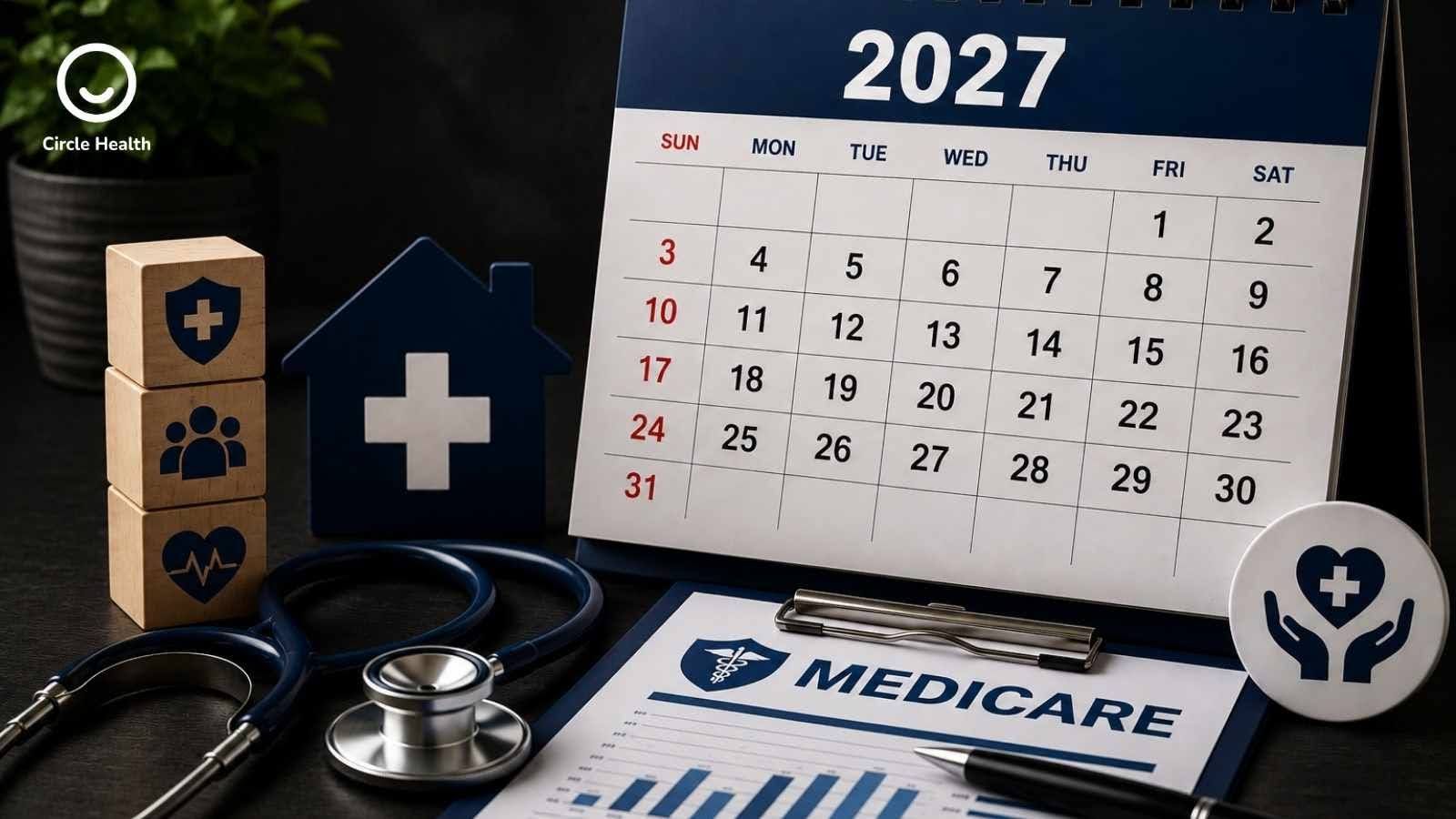
Two 2027 changes matter for wearable programs. First, from January 1, 2027, new RPM patients must discuss monitoring with their clinician at an in-person or telehealth visit before billing starts. Second, device supply payments fall, which shifts more program value to the clinical management time that follows each reading. HHS also offers a practical guide to preparing patients for remote patient monitoring, covering how to explain devices and set expectations.
How to Add Wearables to Your RPM Program

Use this six-step approach to add wearables without overwhelming your team.
- Start with the clinical question. Decide what you need to catch, such as overnight lows, AFib episodes or post-discharge fever, and choose the wearable that measures it.
- Check regulatory status. Use FDA-cleared devices for clinical decisions and billing. Treat consumer data as supporting context.
- Set thresholds and owners. Define alert limits per condition, who reviews them and how fast they respond.
- Integrate the data. Feed readings into your RPM platform and EHR so clinicians do not log into separate apps. Our overview of IoT in remote patient monitoring explains how connected devices share data.
- Use AI to triage, not to decide. Predictive tools can rank which patients need attention first, as covered in our guide to AI patient monitoring, but a clinician still makes the call.
- Support patients early. Teach wear and charging habits at setup, and call in the first week to fix problems before they become missing data.
What Comes Next for Wearables in 2027 and Beyond
Several shifts are already underway:
- Cuffless blood pressure validation. In January 2026, the FDA issued draft guidance on clinical testing for cuffless blood pressure devices, a step toward medical-grade blood pressure wearables.
- Smart rings and patches. Smaller, longer-wearing devices are improving comfort and wear time.
- AI-driven alerts. Algorithms that combine heart rate, activity, sleep and temperature aim to predict deterioration before a single number crosses a threshold.
- Hospital-at-home growth. Continuous vital sign patches are central to delivering acute care at home.
- Bring-your-own-device data. Many health systems have not yet switched on Apple HealthKit or Google Health connections in their patient portals. Expect more practices to accept patient-owned wearable data as supporting context, even when it is not billable.
- Payment pressure. Lower 2027 device payments mean RPM programs will succeed on the strength of their clinical follow-up, not device volume.
Where Circle Care Fits in Wearable-Based Monitoring
Wearables generate data around the clock. Turning that data into timely care is the hard part, and it is where Circle Care helps practices.
Circle Care combines an AI-powered remote patient monitoring platform with a clinical team of licensed nurses, NCLEX-certified RNs and medical assistants who act as an extension of your practice. For wearable programs, that means:
- Device-agnostic monitoring: Readings from qualifying devices such as CGMs, pulse oximeters and other connected sensors flow into one platform, alongside cuffs and scales. Our guide to connected health devices for RPM covers which devices qualify.
- Triage that prevents alert fatigue: AI helps sort readings so nurses focus on the patients who need attention first.
- Fast follow-up: Nurses contact patients by phone or text when readings cross the thresholds your clinicians set, and escalate to the physician when needed.
- Combined programs: Wearable monitoring pairs with chronic care management, principal care management and transitional care management for complete between-visit care.
- Easy start: Zero upfront cost, FHIR and HL7 integration with major EHRs, and HIPAA, HITRUST, SOC 2 Type II and ISO 27001 security.
Conclusion
Wearable devices in remote patient monitoring give care teams a continuous view of patient health that periodic readings cannot match. The strongest uses today are CGMs, ECG patches and medical-grade vital sign patches; consumer smartwatches and rings add helpful context but rarely qualify for billing or diagnosis. With FDA rules shifting, Medicare device payments falling in 2027 and patients increasingly bringing their own data, the practices that benefit most will be those that choose validated devices and build a clinical team to act on what the data shows.
Ready to turn wearable data into better outcomes? Request a demo with Circle Care to see how our nurse-led RPM program monitors your patients every day.
Frequently Asked Questions
Can a patient's Apple Watch or Fitbit be used for Medicare RPM?
Usually not for billing. Medicare requires a device that meets the FDA definition of a medical device and uploads data automatically. Some smartwatch features, such as FDA-cleared ECG apps, can still give clinicians useful supporting information.
Are continuous glucose monitors considered wearables for RPM?
Yes. CGMs are worn on the body, transmit readings automatically and are FDA-regulated, so they are among the most common wearables in RPM programs for patients with diabetes.
How accurate are smartwatch blood pressure readings?
Not accurate enough for diagnosis or treatment yet. The 2025 AHA/ACC guideline does not recommend cuffless devices such as smartwatches for managing high blood pressure, so practices should use a validated upper-arm cuff.
Is wearable health data protected by HIPAA?
It depends on who holds it. Data in a consumer app is generally not covered by HIPAA, but once a healthcare provider or its vendor receives it, HIPAA rules apply.
How long do patients need to wear an ECG patch?
Most ECG patches are worn for several days up to about two weeks, depending on the device and how often symptoms occur. The ordering clinician sets the monitoring period.
What is the difference between a wearable and a connected device in RPM?
A wearable is worn on the body and often collects data continuously. Connected devices such as blood pressure cuffs and scales take readings when the patient uses them. Most RPM programs combine both.