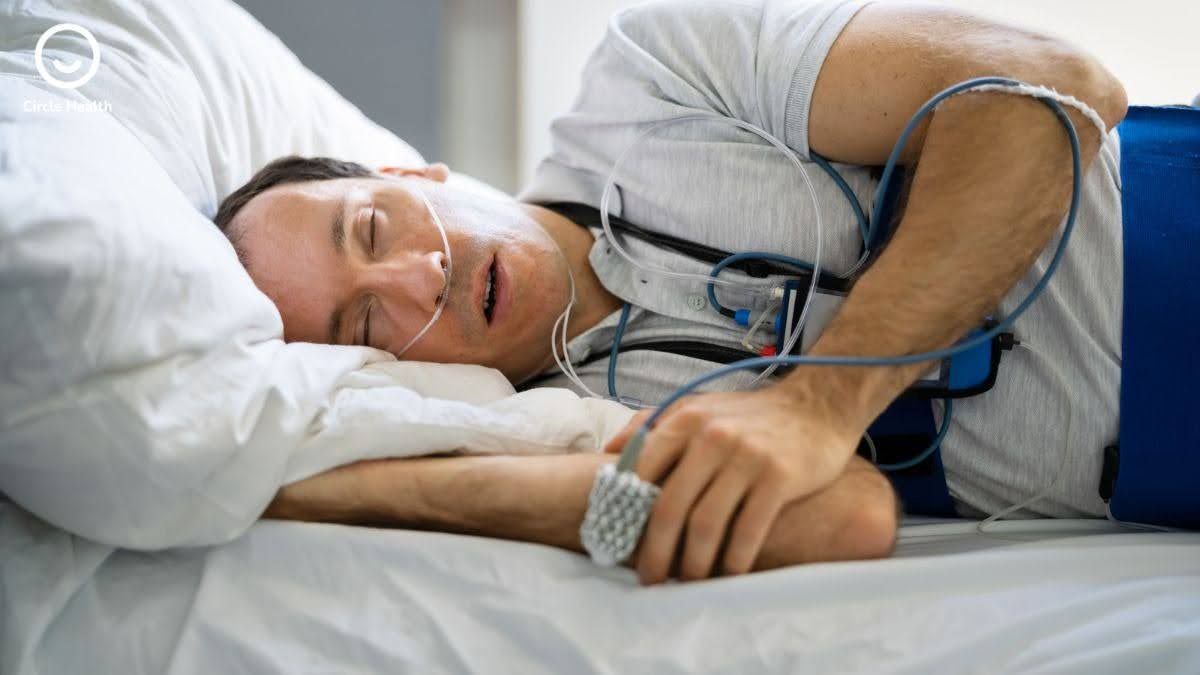
A patient starts CPAP therapy on a Monday. By Friday, the mask leaks, the pressure feels wrong, and the machine is already back in the closet. Nobody at the sleep practice knows until the 30-day follow-up, when the usage download shows three nights of use. Remote patient monitoring (RPM) for sleep disorders is built to catch that moment, when a quick call, a mask refit or a pressure change can keep a patient on treatment.
Sleep care is a natural fit for monitoring between visits, because the problems happen at home, at night. This guide covers what can be monitored, which devices fit which disorders and how Medicare's CPAP adherence rule shapes a program. It also explains how billing works for RPM and remote therapeutic monitoring (RTM), and what the CY 2027 final rule changes starting January 1, 2027.
In short: RPM for sleep disorders uses connected devices, such as CPAP cloud data, pulse oximeters, wearables and blood pressure cuffs, to track sleep and treatment between visits. It matters most in the first 90 days of CPAP, when Medicare requires proof of use. Billing depends on the data type, and RPM and RTM cannot be billed together for the same patient.
Why Sleep Disorders Need Monitoring Between Visits
The National Heart, Lung, and Blood Institute says about 50 to 70 million Americans have a sleep disorder. The most common is obstructive sleep apnea, where the upper airway collapses during sleep. NHLBI notes that CPAP, a mask that keeps the airway open with air pressure, is the most common treatment for moderate to severe cases. Learning about sleep apnea starts with the same point: the condition is treatable, but only if the patient uses the treatment.
That is where visits fall short. A clinic sees a patient for minutes every few months, while sleep behavior changes nightly. One 2023 study of patients with mild sleep apnea found that CPAP use in the first three months predicted use a year later. Early monitoring is therefore not just convenient. It is the best window for changing long-term outcomes.
What Can Be Monitored at Home
Different sleep disorders need different data. The table shows common measures, the devices behind them and which monitoring type each might fall under. The billing column is a general guide, so confirm it with your Medicare contractor.
The American Academy of Sleep Medicine recognizes actigraphy as a useful adjunct in assessing sleep disorders. Consumer trackers help with habits, but they do not replace the clinical tests used to diagnose sleep apnea. Medicare's CPAP coverage policy accepts a sleep lab study or certain home sleep tests for diagnosis.
Which Sleep Disorders Benefit Most
- Obstructive sleep apnea is the strongest fit, because CPAP produces usable data every night. Practices can see usage hours, leaks and remaining breathing events, and act on them. A 2026 mixed-methods study in a JMIR journal argued that sleep apnea monitoring should go beyond the apnea-hypopnea index to measures patients care about, such as sleep quality and daytime energy.
- Insomnia is a weaker fit for device data but a good fit for patient-reported tools. Sleep diaries and questionnaires inside an app let clinicians track behavioral therapy over weeks. Restless sleep, circadian rhythm disorders and sleep problems tied to other conditions can use actigraphy and wearables to show patterns across days. Choose the disorder first, then the data, then the device.
The CPAP Adherence Window: Where RPM Earns Its Keep
Medicare's CPAP policy sets a clear test. To keep coverage after the first trial, the patient must use the device at least 4 hours a night on at least 70 percent of nights during a consecutive 30-day period within the first 3 months. The treating practitioner must also reevaluate the patient between day 31 and day 91 and document that they are benefiting.
An ongoing randomized trial, listed on ClinicalTrials.gov, is testing whether an RPM platform improves CPAP adherence at 30, 60 and 90 days compared with standard coaching. Results are not yet published, so treat claims of proven adherence gains with care. The reasoning for early outreach is sound, though, because every missed week is a week the window is slipping.
Devices and Technology Options
Patients in the 2026 study preferred smartwatches, sleep mats and smart rings, which is a reminder that acceptance drives data. Connectivity matters too. Cellular devices transmit without a phone or Wi-Fi setup, which helps older patients, and Circle Health explains the trade-offs in cellular connected devices remote patient monitoring. Whatever you choose, ask for the device's FDA status and its data export options.
RPM or RTM for Sleep? How Billing Works
CMS separates remote physiologic monitoring from remote therapeutic monitoring. RPM covers physiologic readings, such as oxygen saturation, blood pressure or weight. RTM covers non-physiologic data, such as therapy adherence and response. Some billing guides place CPAP adherence under RTM of the respiratory system, while others use RPM when the device captures physiologic data. CMS has not published a sleep-specific rule, so confirm the approach with your Medicare contractor before enrolling patients.
CMS lists the core requirements in its mln901705 telehealth remote monitoring booklet:
- The device must meet the FDA definition of a medical device.
- Physiologic data must upload automatically to a secure location the practitioner can use.
- The patient must be established with the billing practice for RPM.
- Patient consent is required.
- Device codes depend on 2 to 15 days or 16 or more days of data in 30 days.
- Only one practitioner can bill per patient in a 30-day period.
- RPM and RTM cannot both be billed for the same patient.
The 2026 code set added CPT 99445 for 2 to 15 days of RPM data and CPT 99470 for 10 to 19 minutes of management. Circle Health explains the new device code in rpm device supply billing cpt code, and the full set is in rpm cpt codes 2026. RTM gained matching respiratory codes for 2 to 15 days, which suits a patient who uses CPAP on only some nights.
Building a Sleep RPM Workflow
A simple workflow keeps a program from drowning in data.
- Enroll the right patients. Start with new CPAP users, then patients with poor adherence or persistent symptoms.
- Set up and teach. Confirm the device transmits, show the patient how to read the app and document consent.
- Agree on alert rules. Examples include fewer than 4 hours of use on several nights, high leak or a jump in remaining events. Set the thresholds with your sleep physician.
- Call early. A first-week call to ask about comfort, mask fit and questions prevents most early drop-off.
- Escalate to a clinician. Pressure changes, mask refits and equipment orders need a practitioner.
- Document. Log the live conversation, the data reviewed, and the minutes, because management codes depend on them.
Most sleep practices find the first-week and first-month calls matter most. After that, alerts and a monthly review keep patients on track without overwhelming staff.
Linking Sleep Monitoring to Blood Pressure and Chronic Care
Sleep apnea and high blood pressure often travel together, which makes a connected cuff a natural second device. A 2025 feasibility study combined CPAP data, a sleep-tracking watch and a blood pressure bracelet on one platform to look at sleep, activity and blood pressure together. Practices that already run hypertension programs can add sleep data to what they track, and Circle Health reviews the options in rpm devices hypertension diabetes medicare.
Respiratory patients can overlap too. Patients with COPD and sleep apnea need careful oxygen and breathing monitoring, and the guide to remote patient monitoring for copd covers that side. CMS allows remote monitoring alongside chronic care management, transitional care and principal care management when time is not counted twice.
Common Challenges and Fixes
- Data overload: Use thresholds that flag a few patients a day, not hundreds of readings.
- Patient burden: Pick devices people will wear. Comfort beats feature lists.
- Consumer device limits: Wellness trackers may not meet billing standards, so check FDA status.
- Privacy: Sleep and health data need secure storage and clear consent.
- Older patients: Cellular devices, large-button apps and a live setup call reduce drop-off.
- Beyond the apnea score: The 2026 study found that CPAP platforms show use, leak and event counts but often miss what patients value, so add questionnaires and symptom check-ins.
What's New: 2026 and Upcoming 2027
Several recent changes affect sleep monitoring programs:
- 2026 codes: CPT 99445 and 99470 arrived for RPM, and RTM gained 2-to-15-day device codes and a 10-minute management code.
- Telehealth: Published summaries say Congress extended Medicare's telehealth flexibilities through December 31, 2027, which helps with follow-up visits.
- CY 2027 final rule, issued November 4, 2026, effective January 1, 2027: CMS finalized a separately reportable initiating visit for RPM and RTM and limited RTM to established patients. It updated how the monitoring codes are valued and delayed the employed-staff payment requirement to January 1, 2029. It did not adopt the proposal to bundle the codes into four new G-codes.
- Research: A 2026 study calls for sleep apnea monitoring beyond the apnea-hypopnea index, and a CPAP adherence trial is underway.
Sleep practices should plan for the initiating visit, since it becomes a billing step in 2027. Practices that use contractors to review data have until 2029 to adjust. The CMS fact sheet on the calendar year cy 2027 medicare physician fee schedule final rule lists every change.
Where Circle Health Fits
Circle Health's RPM program lists sleep apnea among its respiratory monitoring conditions, alongside COPD and asthma. It supplies FDA-cleared, cellular-enabled devices and dedicated care teams, handles enrollment and device activation, and checks billing readiness before claims go out. Practices can choose how much of the monitoring work to do in-house and how much to share with its care team.
Conclusion
Remote patient monitoring for sleep disorders works because it meets patients where problems happen: at home, at night and in the first weeks of treatment. For sleep apnea, the first 90 days of CPAP are the moment that matters, and Medicare's adherence rule gives programs a clear target. The right program matches the data to the disorder and the billing type to the data.
For 2027, plan for the new initiating visit, confirm RPM versus RTM with your Medicare contractor and watch for the delayed staffing rule. Start with new CPAP users, keep alerts manageable and call early.
Frequently Asked Questions
What is remote patient monitoring for sleep disorders?
It is the use of connected devices to track sleep and treatment data at home, such as CPAP usage, oxygen levels and wearable data. Clinicians review it between visits to adjust care early.
Can remote patient monitoring be used for sleep apnea?
Yes. CPAP machines send nightly data on usage, leaks and remaining breathing events, and pulse oximeters track oxygen levels. This helps clinicians support patients through the first 90 days of therapy.
What is Medicare's CPAP adherence rule?
Medicare requires use of at least 4 hours a night on at least 70 percent of nights during a consecutive 30-day period within the first 3 months. The practitioner must also reevaluate the patient between day 31 and day 91.
Is CPAP monitoring billed as RPM or RTM?
It depends on the data and your Medicare contractor. Physiologic data such as oxygen saturation fits RPM, while therapy adherence data often fits RTM. CMS has no sleep-specific rule, and the two cannot be billed together.
Do smartwatches and sleep rings work for RPM billing?
Only if the device meets the FDA definition of a medical device and uploads data automatically. Many consumer trackers help with engagement but may not support a claim.
Does Medicare cover remote monitoring for sleep disorders?
Medicare pays for RPM and RTM under their own codes when requirements are met, including an established patient, consent and a qualifying device. Coverage depends on the data and the billing type, so confirm with your contractor.
What changes in 2027 for remote monitoring?
Starting January 1, 2027, RPM and RTM require a separately reportable initiating visit, and RTM is limited to established patients. The employed-staff payment rule is delayed to January 1, 2029.