
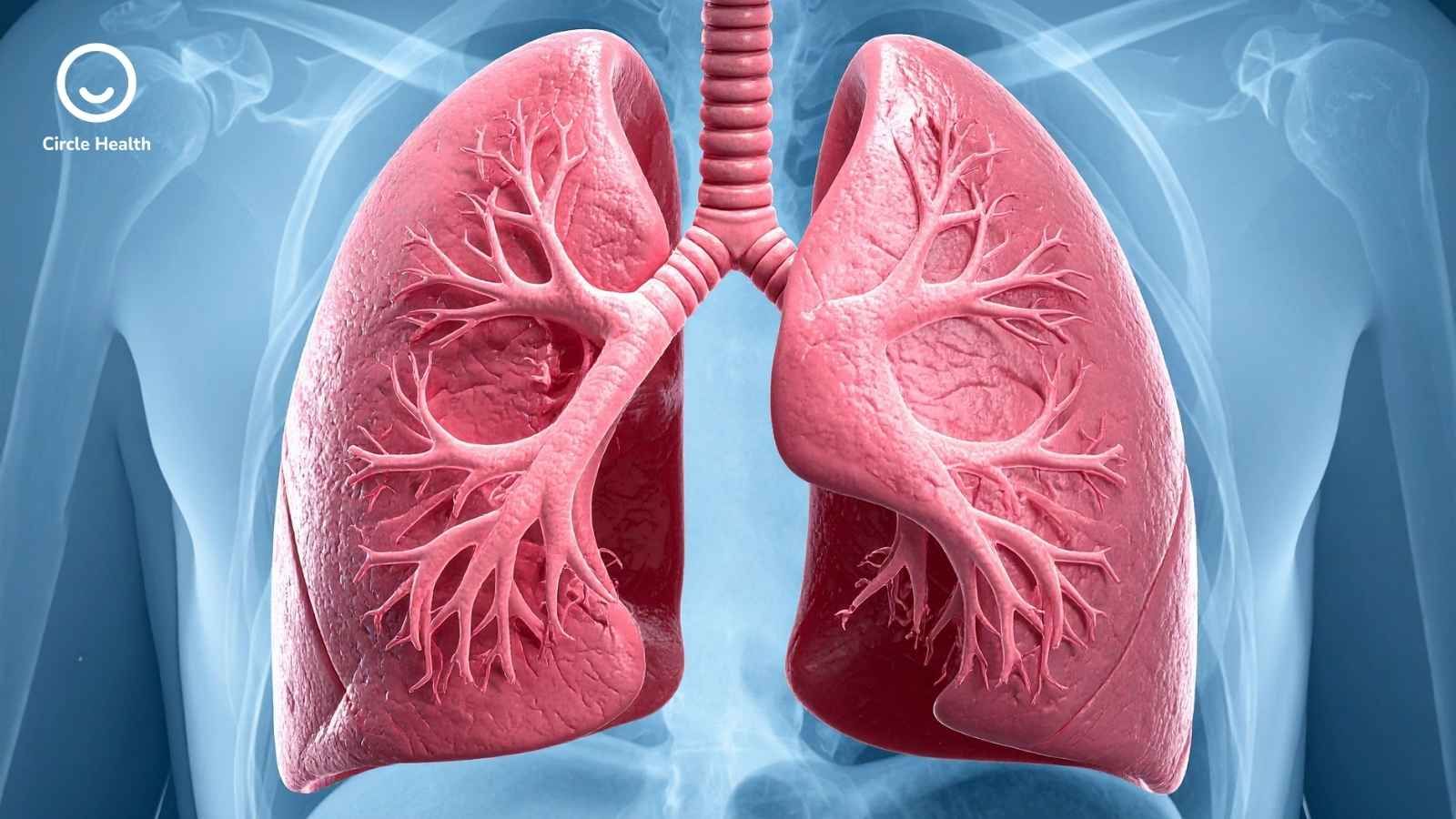
Learn what RR means on a hospital monitor, normal respiratory rate ranges, why it's tracked closely, and what abnormal readings can signal.
If you've ever glanced at a hospital monitor and wondered what "RR" means, you're not alone. It's one of the most important numbers on the screen, yet it's rarely explained to patients and families.
What Does RR Stand For?
RR stands for Respiratory Rate, the number of breaths a person takes in one minute. On most monitors, it appears in yellow alongside a waveform that traces the rise and fall of the chest with each breath.
Unlike heart rate or blood pressure, respiratory rate is unique because it's partly under conscious control, yet it's also one of the earliest indicators of a patient's overall stability.
Normal Respiratory Rate Ranges
Normal RR varies by age. Clinicians typically use these ranges as a baseline:
- Adults (resting): 12 to 20 breaths per minute
- Newborns and infants: 30 to 60 breaths per minute
- Toddlers (1 to 3 years): 24 to 40 breaths per minute
- Children (4 to 12 years): 18 to 30 breaths per minute
- Adolescents and adults: 12 to 20 breaths per minute, narrowing toward adult norms
According to MedlinePlus, a service of the National Library of Medicine, respiratory rate is one of the core vital signs providers monitor, since breathing changes can point to problems ranging from a minor cold to a serious underlying condition.
Why Hospitals Track RR So Closely
Respiratory rate often shifts before other vital signs do. A rising RR can signal sepsis, worsening heart failure, or a developing infection long before heart rate or blood pressure show any change.
This is why RR is considered an early warning sign in clinical settings. Nurses and monitoring systems are trained to flag even small deviations, since catching a change early often means a simpler, faster intervention.
What Abnormal RR Readings Mean
Readings outside the normal range point to specific patterns clinicians watch for:
- Tachypnea (RR above 20 to 24 in adults): Rapid, shallow breathing often linked to fever, pain, anxiety, infection, or lung disease
- Bradypnea (RR below 12 in adults): Slow breathing, often related to sedation, opioid use, or a neurological issue affecting the brain's breathing center
- Irregular rhythm: Uneven spacing between breaths, which can indicate distress or a change in level of consciousness
A single abnormal number isn't always cause for alarm. Clinicians look at the trend over time, along with the patient's appearance, oxygen levels, and other vital signs, before deciding on next steps.
How Hospital Monitors Measure RR
Most bedside monitors estimate RR using impedance pneumography, tracking tiny changes in electrical resistance across the chest as it rises and falls. Electrodes already placed for heart monitoring do double duty for this purpose.
This method is convenient but imperfect. Motion, loose sensors, and shallow breathing can throw off the reading, which is why staff still verify the number by watching the patient's chest when something looks off.
Programs built around this idea, explained further in this RPM benefits and ROI overview, pair well with structured chronic care management for patients managing ongoing conditions.
When Should You Be Concerned About RR?
A temporary increase in respiratory rate after exercise or emotional stress is normal. However, persistent changes should never be ignored.
Seek immediate medical attention if respiratory rate is accompanied by:
- Severe shortness of breath
- Blue lips or fingertips
- Chest pain
- Confusion or difficulty waking up
- High fever with rapid breathing
- Oxygen saturation below the recommended range
For patients with chronic lung or heart disease, even small increases in respiratory rate can signal worsening illness before other symptoms appear.
Why RR Monitoring Matters Beyond the Hospital
The same principle that makes RR valuable in the ICU applies just as well once a patient goes home, particularly for those recovering from surgery, heart failure, or COPD. Continuous remote patient monitoring tracks vital signs like respiratory rate, oxygen saturation, and heart rate outside the hospital, giving care teams the same early-warning advantage at home that they have at the bedside.
Studies referenced in Circle Health Care's guide on how remote patient monitoring reduces hospital readmissions show that catching small changes in vital signs early, before they become emergencies, is one of the most effective ways to keep patients from bouncing back to the hospital.
How Respiratory Rate Differs from Other Vital Signs
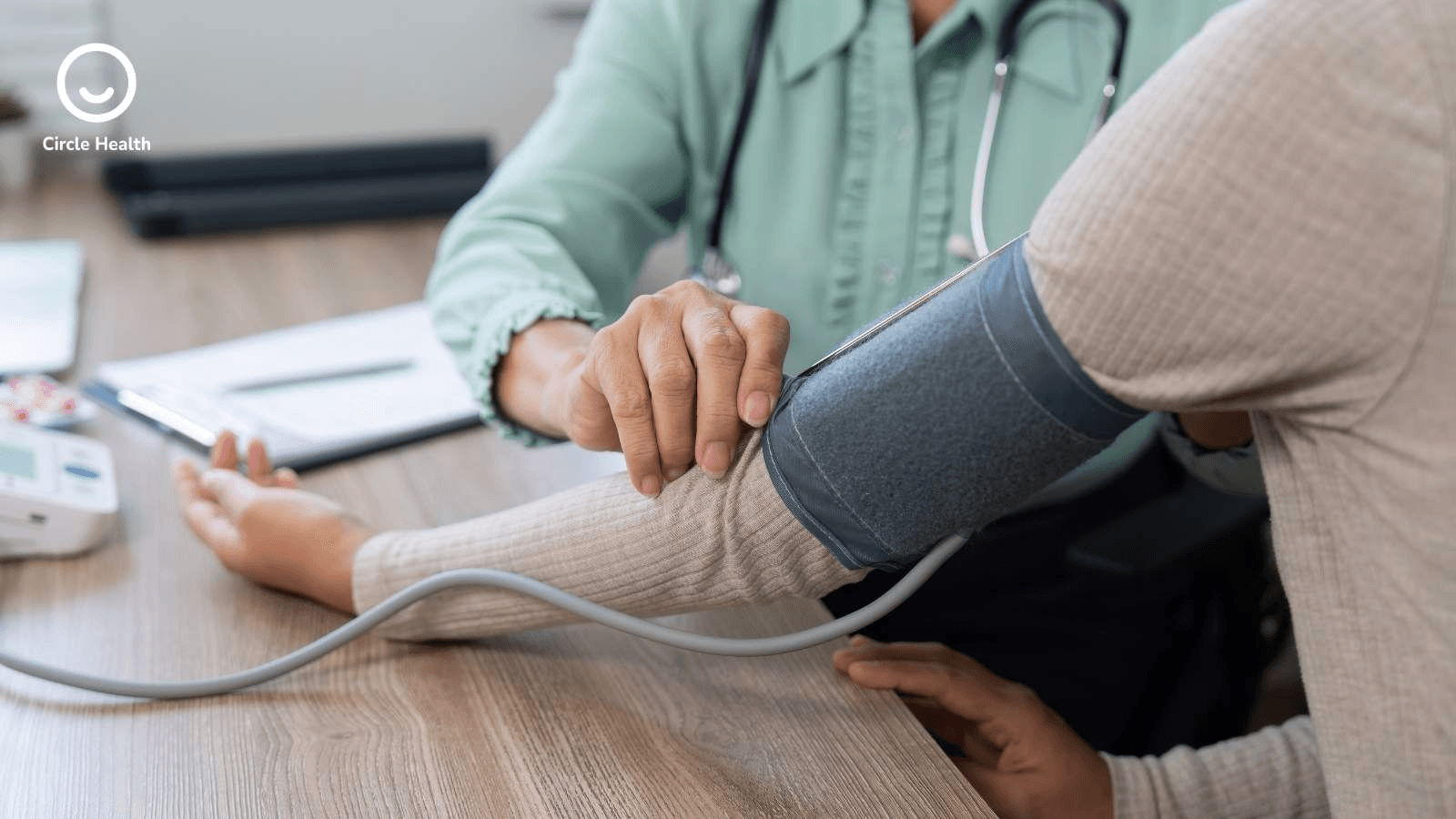
Respiratory rate is just one of the four primary vital signs routinely monitored in hospitals, alongside heart rate (HR), blood pressure (BP), and body temperature. Unlike the others, changes in respiratory rate often appear first when a patient's condition begins to deteriorate.
For example:
- Heart Rate (HR): Measures how many times the heart beats per minute.
- Blood Pressure (BP): Measures the force of blood against artery walls.
- Oxygen Saturation (SpO₂): Indicates how much oxygen the blood is carrying.
- Respiratory Rate (RR): Measures how many breaths a patient takes each minute.
Doctors evaluate these vital signs together because an abnormal RR with normal oxygen levels may still indicate an underlying problem that requires further investigation.
For a closer look at how this technology works day to day, this guide to remote patient monitoring benefits breaks down what continuous vital sign tracking looks like from both the patient and provider side.
Conclusion
Respiratory rate (RR) is much more than just another number on a hospital monitor—it's one of the earliest and most reliable indicators of a patient's overall health. By tracking how many breaths a person takes each minute, healthcare providers can detect signs of infection, respiratory distress, heart failure, or other serious conditions before they become emergencies. Understanding what RR means, what's considered normal, and when abnormal readings require attention can help patients and caregivers better understand their care. As healthcare increasingly extends beyond the hospital, technologies like Remote Patient Monitoring (RPM) enable clinicians to continue tracking respiratory rate and other vital signs at home, supporting earlier intervention, reducing hospital readmissions, and improving long-term patient outcomes.
Frequently Asked Questions
What is a dangerous RR reading?
In adults, a respiratory rate consistently below 12 or above 24 to 25 breaths per minute while at rest is generally considered concerning. The exact threshold depends on the patient's baseline health, age, and other symptoms present at the time. Clinicians always interpret the number alongside oxygen levels and how the patient looks and feels.
Why does my monitor show a different RR than I expect?
Monitors estimate RR using chest movement sensors, which can be thrown off by motion, shallow breathing, or loose electrodes. If the number seems off, a nurse can manually count breaths for a more accurate reading. This is a routine check, not a sign that something is broken.
Can anxiety affect RR readings on a monitor?
Yes, stress and anxiety commonly cause faster, shallower breathing, which shows up as an elevated RR. This is usually temporary and resolves once the person calms down. Providers typically consider the context before treating an anxiety-related spike as a medical concern.
Is RR checked the same way in children as in adults?
No. Normal respiratory rate ranges are significantly higher in infants and young children and gradually decrease with age. A rate that would be alarming in an adult may be completely normal for a newborn. Pediatric monitors and healthcare providers use age-specific reference ranges when evaluating RR.
What causes a consistently low RR?
A persistently low respiratory rate is often linked to sedative or opioid medications, a neurological issue, or extreme fatigue. It's taken seriously because slow breathing can reduce the amount of oxygen reaching the body. Any sudden drop is typically investigated right away.
Does RR monitoring continue after a patient leaves the hospital?
Yes. For many patients, especially those recovering from major surgery or managing chronic conditions, RR and other vital signs can continue to be tracked at home through remote patient monitoring devices. This allows care teams to identify warning signs early and intervene without requiring the patient to return for frequent in-person visits.