
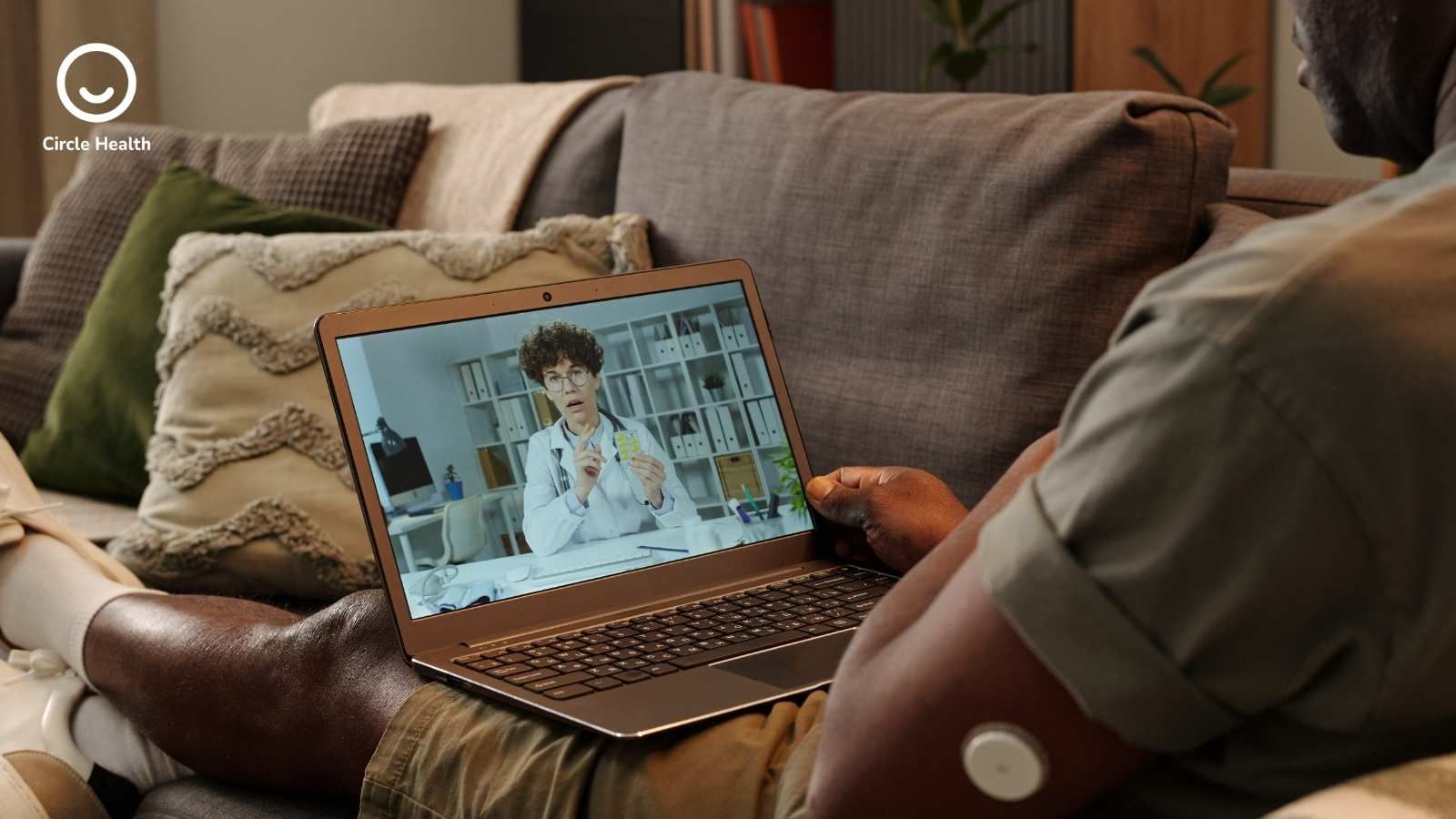
Compare the best virtual health platforms for patient care and telehealth in 2026, including features, pricing, and tips to choose the right solution.
Virtual care is no longer a pandemic-era workaround - it's a permanent part of how practices deliver patient care. But "telehealth platform" means very different things depending on the vendor, ranging from simple video tools to full care management ecosystems.
This guide breaks down what to look for in a virtual health platform in 2026 and how the top categories of solutions compare.
What Counts as a Virtual Health Platform in 2026?
The category has expanded well beyond video calls. Modern virtual health platforms typically fall into a few types:
- Pure video/telemedicine tools: Focused on synchronous video visits, minimal clinical infrastructure
- Practice operating systems: Combine scheduling, billing, EHR, and video into one system
- Remote monitoring platforms: Extend care beyond the visit with device-based data collection
- Full care management suites: Bundle telehealth with CCM, RPM, PCM, and TCM programs under one roof
Understanding which category fits your practice matters more than any single feature comparison.
Key Features to Evaluate
Before comparing specific platforms, it helps to define the criteria that actually matter for daily clinical use:
- HIPAA compliance and a signed BAA: Non-negotiable for any platform touching patient data
- EHR integration: Bi-directional data flow avoids duplicate charting and billing errors
- No-download patient access: Reduces no-shows and friction for less tech-savvy patients
- Billing support for telehealth-specific CPT codes: Prevents lost reimbursement
- Scalability: A platform that works for 200 patients should still work at 2,000
Federal telehealth rules also shape what's possible. Under current telehealth policy updates, many pandemic-era flexibilities - including home-based originating sites and audio-only visits - remain extended through 2027, which affects how platforms should be configured for compliance.
Standalone Telehealth vs. Integrated Care Management Platforms
The biggest divide in this market isn't pricing - it's scope. Standalone telehealth tools handle video visits well but stop there. Integrated platforms extend care between visits through remote monitoring and structured follow-up.
This distinction matters most for practices managing chronic conditions, where a single video visit a quarter isn't enough to move outcomes. Platforms that combine telehealth with remote monitoring programs give care teams visibility into patient status between appointments, not just during them.
Practices weighing this tradeoff should also review how CMS's 2026 medicare rules affect concurrent telehealth and RPM billing, since reimbursement structure often determines which platform type makes financial sense.
What to Look for in an Integrated Platform
If your practice is leaning toward a full care management suite rather than a standalone video tool, prioritize:
- Device-agnostic monitoring: Support for a wide range of FDA-cleared devices, not a proprietary hardware lock-in
- Automated billing-ready reporting: Reduces the administrative burden of tracking CPT-eligible time
- Licensed clinical staffing options: Some platforms offer managed monitoring teams for practices without internal capacity
- Multi-program support: RPM, CCM, PCM, and TCM under one system avoids fragmented workflows
Strong EHR integration is what ties all of this together - without it, even the best monitoring features create more manual work than they save.
How Circle Health Care Fits Into This Comparison
Among the platforms combining telehealth with broader care management, Circle Health Care positions itself around pairing AI-powered documentation with dedicated human clinical teams, rather than offering a purely self-service software tool. This model tends to suit practices that want monitoring and follow-up handled without building an internal care management team from scratch.
For a closer look at how this approach compares against other remote care vendors on features, scalability, and pricing structure, this Circle Health comparison walks through the tradeoffs in more detail.
Pricing Models to Expect

Virtual health platform pricing varies widely by category:
- Per-visit pricing: Common for on-demand urgent care telemedicine, typically $25–$95 per visit without insurance
- Per-provider monthly fees: Standard for practice-operating-system-style platforms
- Per-patient-per-month (PPPM): Typical for RPM and integrated care management platforms, often billed against Medicare reimbursement
- Custom enterprise pricing: Common for hospital systems needing large-scale EHR integration
Reimbursement structure should factor into any pricing comparison. Under Medicare's RPM coverage rules, properly documented remote monitoring generates recurring monthly reimbursement that can offset - or exceed - platform subscription costs.
Choosing the Right Platform for Your Practice
A few questions help narrow the decision:
- Do you need synchronous video only, or ongoing monitoring between visits?
- Is your patient population comfortable with app-based tools, or do you need cellular, no-app devices?
- Do you have internal clinical staff to review monitoring data, or do you need a managed service model?
- Is your existing EHR compatible with the vendor's integration options?
Practices researching broader vendor options may also find it useful to review this RPM companies overview alongside standalone telehealth comparisons before shortlisting.
Conclusion
The "best" virtual health platform in 2026 depends entirely on what your practice actually needs - a simple, compliant video tool, or a fuller system that extends care between visits through remote monitoring and structured follow-up. Standalone telehealth tools are easier to deploy but stop at the visit. Integrated platforms take more evaluation upfront but tend to deliver more consistent outcomes for chronic disease populations.
Whichever direction you lean, prioritize HIPAA compliance, EHR integration, and billing support first - everything else is a secondary consideration once those fundamentals are covered.
Frequently Asked Questions
Q1. What's the difference between telehealth and remote patient monitoring?
Telehealth refers to synchronous, real-time virtual visits between a patient and provider. Remote patient monitoring (RPM) is asynchronous-it uses connected devices to collect and transmit patient data continuously without requiring a live visit.
Q2. Are all telehealth platforms HIPAA compliant?
No. Many consumer video tools, including free-tier products, don't include a Business Associate Agreement (BAA) and shouldn't be used for clinical visits involving protected health information unless they're properly configured.
Q3. Do virtual health platforms integrate with existing EHR systems?
Most established platforms integrate with major EHRs such as Epic, athenahealth, and Cerner. However, the level of integration varies, ranging from basic data exports to full bi-directional synchronization.
Q4. How is virtual care reimbursed under Medicare?
Medicare reimburses many telehealth and remote patient monitoring services under specific CPT codes. Current federal policy extends reimbursement flexibilities for home-based visits and audio-only care through the end of 2027.
Q5. Should a small practice choose a standalone telehealth tool or an integrated platform?
It depends on the practice's patient population. Standalone video tools often work well for acute, one-time visits, while integrated platforms are generally better for managing chronic conditions that require continuous monitoring.
Q6. What should I ask a vendor before signing a virtual health platform contract?
Ask about BAA availability, EHR integration capabilities, CPT billing support, device compatibility, and pricing structure-whether it's charged per visit, per provider, or per patient per month-as these factors can significantly impact long-term costs.
Q7. Is remote patient monitoring only for chronic conditions?
No. While RPM is most commonly used for chronic conditions such as hypertension, diabetes, and heart failure, many platforms also support short-term monitoring for patients recovering after hospital discharge or surgery.