
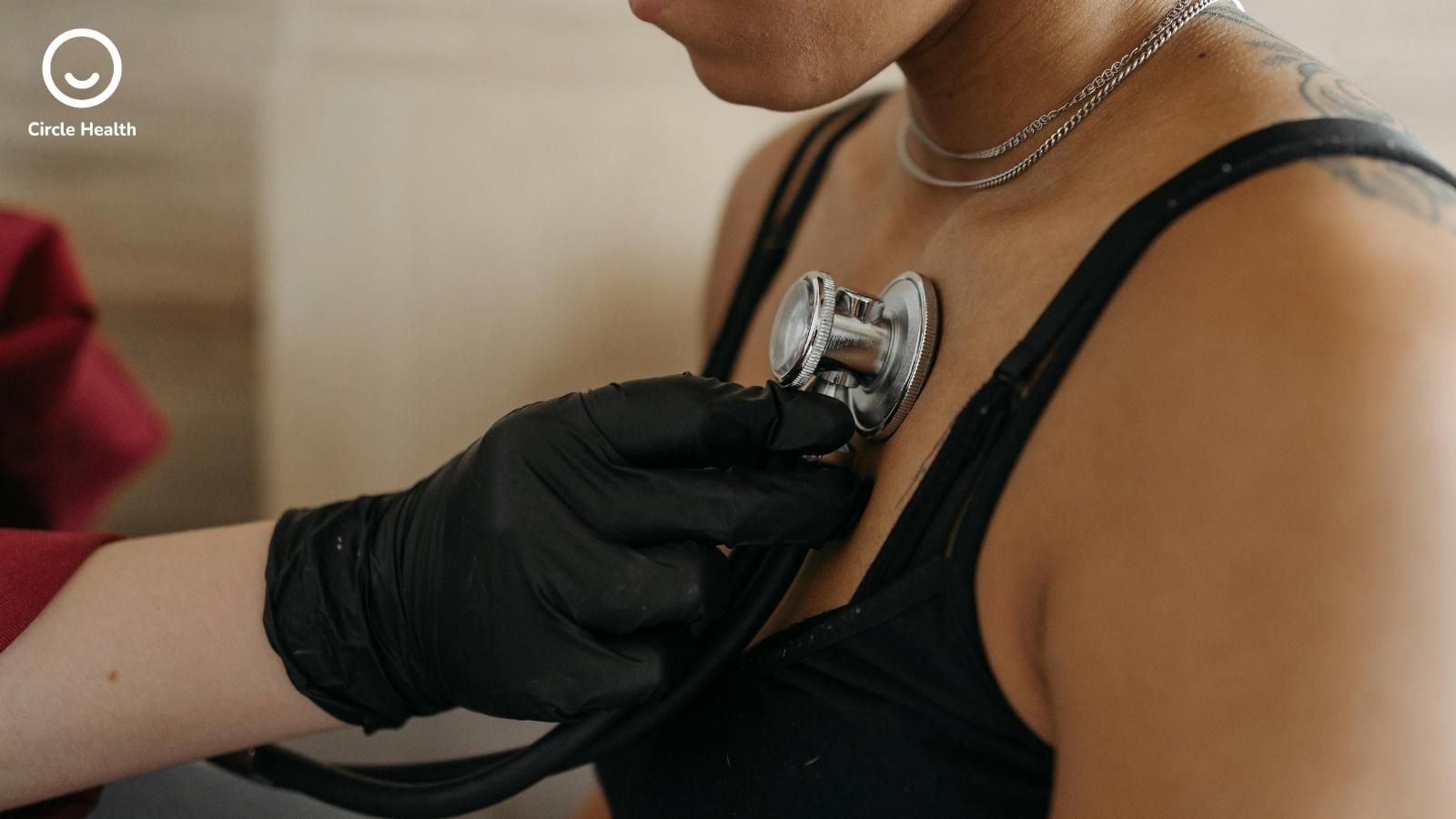
Top U.S. healthcare trends in 2026, including AI-powered care, remote patient monitoring, value-based care, and workforce changes.
The U.S. healthcare industry is undergoing one of its most significant shifts in decades. AI, evolving payment models, workforce shortages, and the rise of remote care are no longer emerging issues - they are active forces reshaping how practices operate and how patients receive care in 2026.
1. AI Moves From Pilot to Practice
AI is now embedded in the infrastructure of U.S. healthcare, not a future-state concept. Health systems are deploying it across clinical documentation, prior authorization, imaging, risk stratification, and care gap identification.
Key developments include:
- Ambient documentation tools automating real-time visit notes
- AI imaging models pre-sorting radiology cases by urgency
- Workflow engines handling prior auth, intake coding, and scheduling at machine speed
Mayo Clinic alone is mapping over $1 billion in AI investments across 200+ clinical and operational projects. AI is now a workforce multiplier - not a standalone experiment.
2. Remote Patient Monitoring Expands Beyond Chronic Care
Remote Patient Monitoring (RPM) has moved well beyond hypertension and diabetes management. In 2026, RPM is deployed across post-acute care, transitional care, and hospital-at-home settings.
Key drivers include:
- Connected devices transmitting blood pressure, glucose, weight, and oxygen data in real time
- Reimbursement under CPT codes 99454 and 99457 supporting scalable program economics
- Integration with AI patient monitoring platforms that flag deteriorating patients before hospitalization occurs
Combining RPM with chronic care programs creates a continuous care model that cuts avoidable admissions and strengthens outcomes.
3. Value-Based Care Accelerates Under CMS
The Centers for Medicare & Medicaid Services (CMS) approved 134 Shared Savings Program applications for 2026 - including 72 new ACOs - signaling sustained momentum away from fee-for-service reimbursement.
Major 2026 policy developments:
- Launch of the ACCESS Model - a 10-year voluntary payment model targeting chronic conditions like hypertension, diabetes, and depression through tech-enabled care
- Physician Fee Schedule adjustments, redistributing reimbursement toward primary care and time-based services
- Continued expansion of bundled payment and Medicare Advantage quality incentives
Advanced Primary Care Management (APCM) has emerged as a practical reimbursement pathway for practices managing complex chronic populations under HCPCS codes G0556–G0558.
4. Hybrid Care Delivery Becomes the Standard
Telehealth is no longer an add-on - it is part of a permanent hybrid care model. The 2026 question is not whether to offer virtual care, but how to integrate in-person, virtual, and home-based care without gaps.
Organizations are restructuring:
- Triage and scheduling to route patients to the right setting at the right time
- Transition workflows to prevent information loss between care settings
- Patient engagement tools to maintain continuity between visits
A strong care coordination system is now a clinical and financial necessity - not just an operational convenience.
5. Chronic Care Management Scales as a Revenue Strategy
Chronic Care Management (CCM) has shifted from a supplementary service to a primary revenue strategy for Medicare-serving practices. A panel of 100+ enrolled patients can generate over $70,000 in annual recurring revenue under CPT 99490 and add-on codes.
CCM adoption is accelerating in 2026 because:
- Managed CCM vendors handle outreach, documentation, and billing end-to-end
- CMS quality metrics increasingly align with chronic condition control
- CCM and RPM programs are being bundled into unified disease management protocols, billed on separate CPT tracks simultaneously
Identifying the care gaps within your patient panel is the first step toward capturing both the clinical and financial value CCM offers under current policy.
6. Workforce Transformation and Role Redesign
The healthcare workforce shortage is not resolving - it is being redesigned around. In 2026, organizations are expanding non-physician clinician roles, deploying AI to cut documentation time, and shifting from short-term staffing fixes to long-term care team redesign.
For practices running CCM and RPM programs, managed service models turn this challenge into an advantage - care coordinators handle monthly patient touchpoints, freeing physicians for higher-acuity clinical work.
What These Trends Mean for Your Practice

Every major 2026 trend points to the same conclusion: integration wins. AI, remote monitoring, value-based reimbursement, hybrid care, chronic disease management, and workforce strategy are converging into one operational question: Is your practice built to deliver coordinated, outcomes-driven care at scale?
Practices that align technology, staffing, and program design around that question will capture 2026's clinical and financial rewards. Those treating each trend in isolation will find the pace of change increasingly difficult to manage.
Conclusion
AI-powered workflows, Remote Patient Monitoring (RPM), value-based care, hybrid care delivery, and Chronic Care Management (CCM) are no longer future trends; they are becoming standard components of modern healthcare operations. Practices that embrace these changes can improve patient outcomes, strengthen care coordination, and create more sustainable revenue streams.
Success in 2026 will depend on building an integrated care model that connects technology, clinical teams, and reimbursement strategies. Healthcare organizations that invest in scalable infrastructure today will be better positioned to adapt to future regulatory changes, meet quality performance goals, and deliver efficient, patient-centered care in an increasingly complex healthcare landscape.
Frequently Asked Questions
Q1. What is the biggest healthcare trend in the U.S. in 2026?
AI integration is the biggest healthcare trend in 2026. Healthcare organizations are using AI to automate documentation, support clinical decisions, reduce administrative work, and improve operational efficiency across the care continuum.
Q2. How is Remote Patient Monitoring changing care delivery in 2026?
Remote Patient Monitoring (RPM) is expanding beyond chronic care into post-acute and home-based care. Connected devices help providers monitor patients remotely, improve adherence, reduce hospital visits, and support reimbursable care management services.
Q3. What is the CMS ACCESS Model, and how does it affect practices?
The CMS ACCESS Model is a voluntary payment program launching in 2026 that supports technology-enabled chronic care management. It rewards providers for improving outcomes in conditions such as diabetes, hypertension, and depression.
Q4. What is value-based care, and why does it matter in 2026?
Value-based care focuses on patient outcomes rather than the number of services delivered. Providers who improve quality, reduce costs, and enhance care coordination can earn incentives and shared savings through these programs.
Q5. How does Chronic Care Management fit into the 2026 healthcare landscape?
Chronic Care Management (CCM) helps practices generate recurring revenue while improving patient outcomes. It supports care coordination, closes care gaps, and aligns with value-based care initiatives and population health goals.
Q6. What role does workforce redesign play in adopting new care models?
Workforce redesign helps practices adapt to new technologies and care models. By expanding care team responsibilities and reducing administrative burden, organizations can scale services more efficiently and address staffing challenges.