
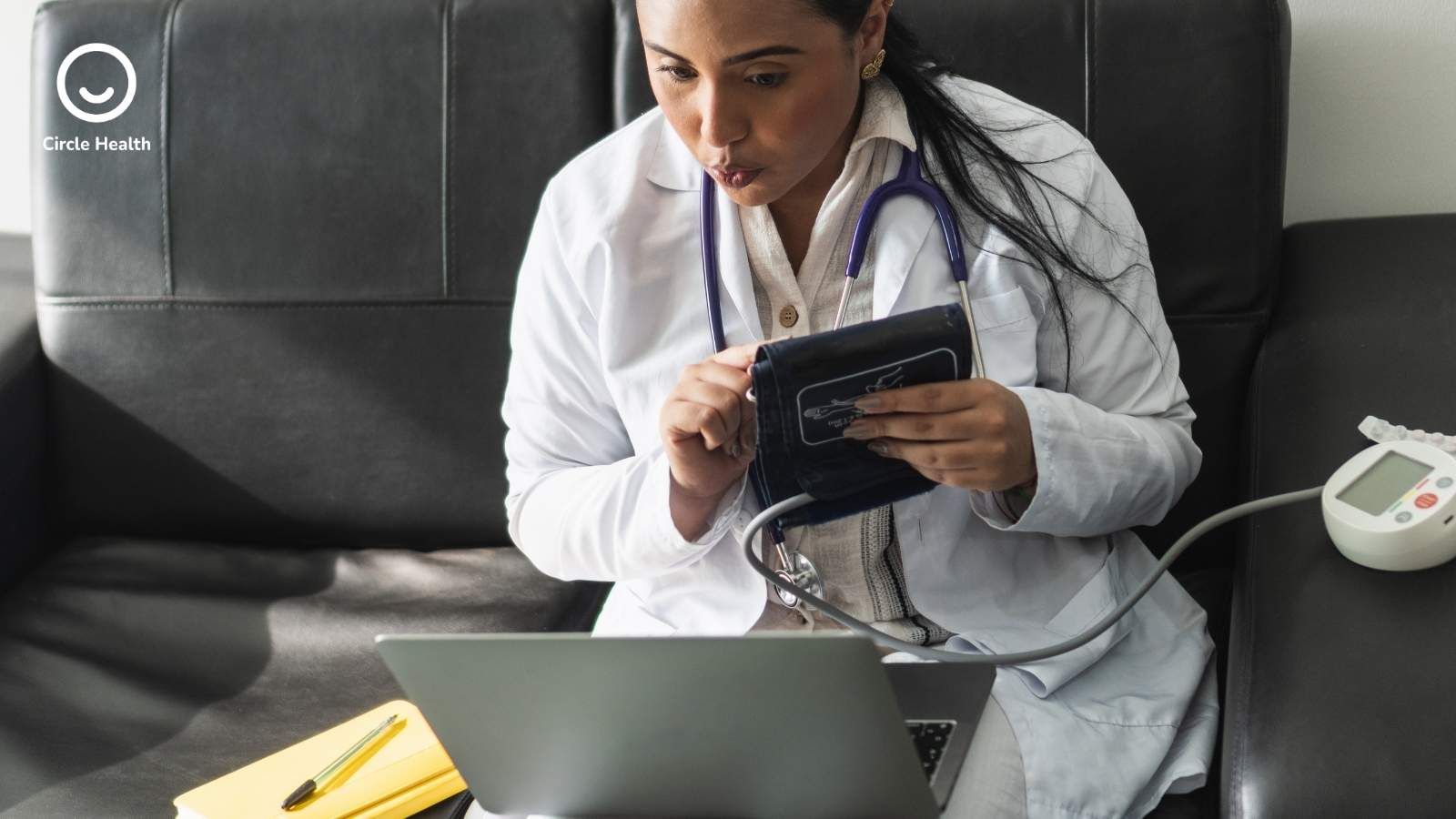
A clear introduction to Remote Therapeutic Monitoring (RTM) - what it is, how it differs from RPM, which conditions it covers, and how CMS reimburses in 2026.
Remote Therapeutic Monitoring (RTM) is one of the newer additions to CMS's digital health reimbursement framework and one of the most misunderstood. Many providers already familiar with Remote Patient Monitoring (RPM) assume RTM is simply a variation of the same service. It isn't. RTM was built to fill a specific gap: monitoring patients whose conditions can't be tracked through vital signs alone.
What Is Remote Therapeutic Monitoring?
RTM is a CMS-reimbursed program that pays for the review and monitoring of non-physiological data tied to a therapeutic plan - things like therapy adherence, pain or function response, and musculoskeletal or respiratory status - collected through devices that meet FDA standards. Unlike RPM, which captures objective vital signs automatically, RTM gathers both objective data from digital health devices and subjective data reported directly by the patient, including pain levels, range of motion, and medication or exercise adherence.
In practice, this means RTM is built for patients managing a therapeutic course - physical therapy, pulmonary rehab, behavioral health treatment - rather than a chronic physiological condition being tracked through daily vitals. Organizations expanding remote care services should also understand the 2026 RPM CPT code updates and reimbursement changes when designing integrated monitoring programs.
RTM vs. RPM: The Core Difference
The distinction between RTM and RPM comes down to one question: Is the data physiological or non-physiological?
Circle Health Care's broader overview of RPM pros, cons, and benefits breaks down this RTM-vs-RPM distinction in more detail, alongside how both compare to Chronic Care Management (CCM).
Which Specialties Use RTM Most
RTM was designed with specific clinical populations in mind, and its adoption reflects that focus:
- Orthopedic and physical therapy practices - tracking range of motion, exercise adherence, and recovery progress after surgery or injury
- Pulmonology practices - monitoring respiratory symptoms and treatment response for COPD, asthma, or post-surgical recovery
- Behavioral health programs - tracking therapy engagement and treatment adherence, an area of growing CMS interest
- Post-acute and rehabilitation settings - supporting structured recovery plans where adherence data informs ongoing treatment decisions
Orthopedic and respiratory specialists typically use RTM, while cardiologists, endocrinologists, and nephrologists more often use RPM - a useful rule of thumb when deciding which program fits a given patient population.
Who Can Bill RTM Services
RTM services fall within the scope of practice of several disciplines, and physicians and other eligible qualified healthcare professionals can bill for RTM CPT codes. One notable distinction from RPM: RTM expands the types of providers allowed to bill to include physical therapists and occupational therapists, in addition to physicians and other qualified healthcare professionals. Providers evaluating different reimbursement pathways may also want to review Chronic Care Management updates and reimbursement changes in 2026.
This broader provider eligibility is part of why RTM adoption has grown steadily since its 2022 introduction - it gives rehabilitation-focused practices a reimbursement pathway that didn't previously exist under RPM rules.
RTM CPT Codes and 2026 Updates
As of 2022, CMS adopted RTM CPT codes to pay for device setup, collection, interpretation, and processing of remote non-physiological data. The 2026 Physician Fee Schedule expanded this further:
- Device and setup codes - covering initial RTM device education and supply
- 98976 - limited to transmissions monitoring the respiratory system
- 98977 - limited to transmissions monitoring the musculoskeletal system
- New 2026 codes (98979, 98985) - part of a refreshed, more flexible CPT code set designed to reduce minimum clinical time thresholds and expand flexibility for remote care programs
- As of January 1, 2026, all RTM codes - including the new 98979 and 98985 - are designated as "sometimes therapy" services, and when furnished by therapists, must be provided under a therapy plan of care with the appropriate modifier
For the authoritative source on current CPT code definitions and reimbursement rates, providers should reference the CMS Physician Fee Schedule lookup tool, which reflects the finalized 2026 rule.
Important Billing Rules: RTM and RPM Cannot Overlap
RTM and RPM cannot be billed for the same patient in the same month. If multiple claims are submitted, only the first will be reimbursed. Practices should choose the monitoring program that best fits the patient's clinical needs.
Key Points:
- RTM and RPM cannot be billed together for the same patient in the same month.
- Only the first submitted claim will be reimbursed if multiple providers bill RTM or RPM services for the same patient.
- Additional claims submitted for the same monitoring period will be denied.
- Practices should determine the most appropriate monitoring program based on the patient's clinical needs.
- Proper program selection and documentation are essential for compliance and reimbursement.
For practices managing multiple remote care programs across a single patient population, Circle Health Care's guide to CMS's 2026 proposed rule for RPM and RTM explains how the updated billing flexibility affects program design and documentation requirements.
Why RTM Matters for Value-Based Care Organizations

RTM helps ACOs, health systems, and value-based care organizations monitor aspects of care that traditional physiological monitoring cannot capture, such as therapy participation and treatment adherence.
Key benefits:
- Tracks exercise completion and therapy adherence
- Supports behavioral health and rehabilitation programs
- Uses patient-reported data through software-based platforms
- Requires less hardware than traditional RPM programs
- Complements RPM and CCM to create a more comprehensive remote care strategy
By providing insight into patient engagement and therapeutic outcomes, RTM helps organizations expand their remote care capabilities beyond vital sign monitoring.
Conclusion
RTM fills a distinct and growing role in the digital health landscape. Where RPM tracks the body's vital signs, RTM tracks how well a patient is responding to and engaging with their treatment - a different but equally important window into care between visits. For orthopedic, pulmonology, and behavioral health practices in particular, RTM offers a reimbursement pathway purpose-built for therapy adherence and functional recovery, something RPM was never designed to capture.
As CMS continues expanding flexibility around both programs heading into 2026, understanding the line between RTM and RPM - and knowing which one fits a given patient's clinical picture - is foundational knowledge for any practice building a remote care strategy.
Frequently Asked Questions
Q1. What is the main difference between RTM and RPM?
RPM monitors physiological data - vital signs like blood pressure, glucose, and oxygen saturation - collected automatically through connected devices. RTM monitors non-physiological data, such as therapy adherence, pain levels, and musculoskeletal or respiratory status, which can be self-reported by the patient.
Q2. Which medical conditions are best suited for RTM?
RTM currently focuses on musculoskeletal and respiratory conditions, along with therapy adherence and cognitive behavioral therapy tracking. It's commonly used in orthopedic recovery, physical therapy, pulmonary rehabilitation, and behavioral health programs.
Q3. Can physical therapists bill for RTM services?
Yes. Unlike RPM, RTM specifically allows physical therapists and occupational therapists to bill for these services, in addition to physicians and other qualified healthcare professionals.
Q4. Can a practice bill both RPM and RTM for the same patient in the same month?
No. RPM and RTM cannot be billed together for the same patient during the same calendar month. Practices need to determine which monitoring category best fits the patient's clinical needs before enrollment.
Q5. Does RTM require a connected medical device, or can patients self-report?
RTM can use both. Devices like peak flow meters, motion trackers, and spirometers collect objective data, while patients can also self-report subjective information - such as pain levels or exercise adherence - through a smartphone app or software-as-a-medical-device platform.
Q6. Is RTM growing in adoption among healthcare providers?
Yes. Since CMS introduced RTM codes in 2022, adoption has grown steadily, and the 2026 Physician Fee Schedule Final Rule expanded the program further with new CPT codes, lower time thresholds, and broader provider eligibility.