
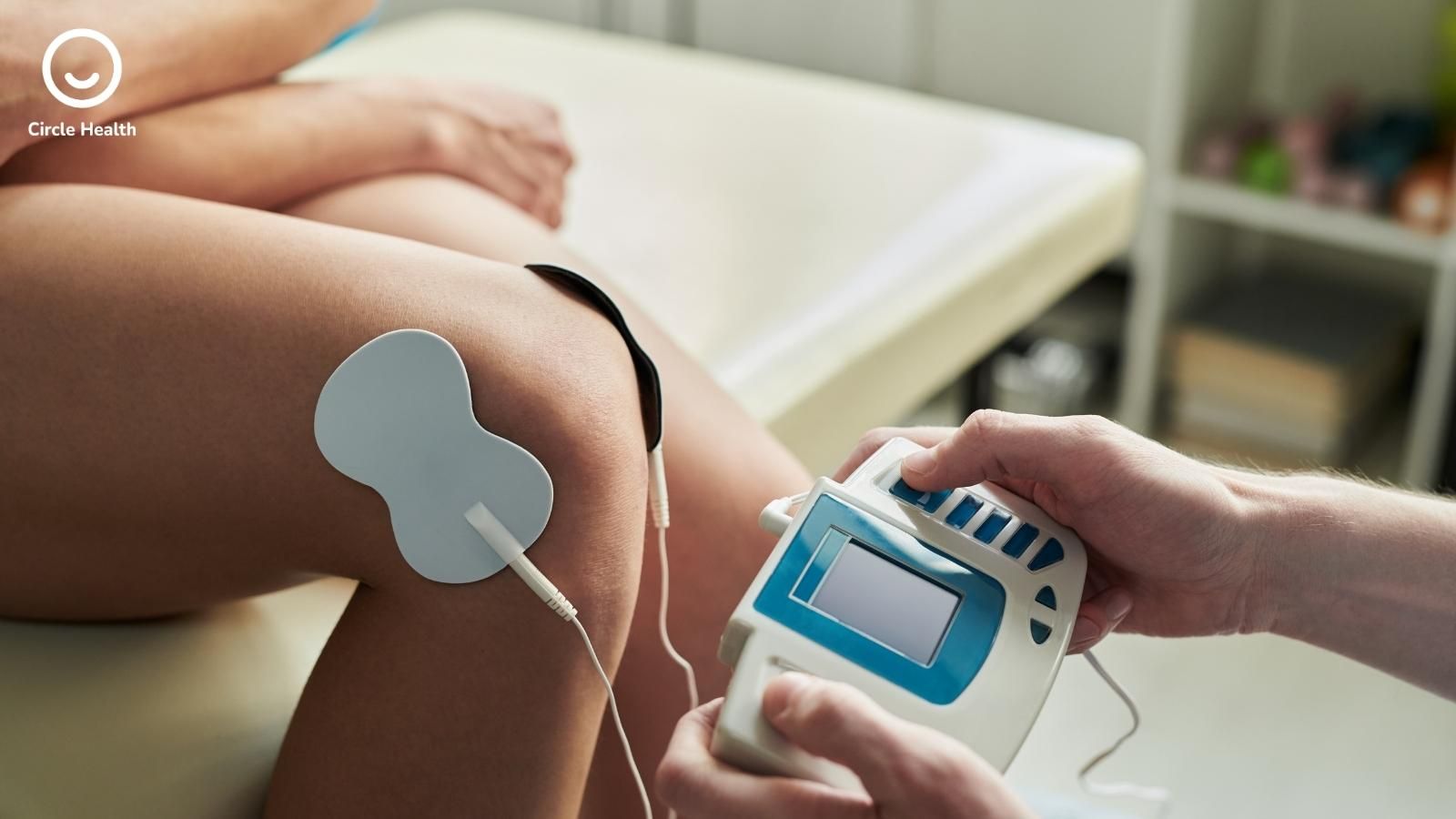
How COPD remote patient monitoring works in 2026, including devices, CPT codes, reimbursement updates, and clinical benefits.
Chronic Obstructive Pulmonary Disease (COPD) is the third leading cause of death worldwide, and approximately 19% of COPD patients are readmitted to the hospital within 30 days of discharge. For health systems, ACOs, physician groups, and SNFs managing high-risk pulmonary populations, that number represents both a clinical and financial failure point.
Remote Patient Monitoring (RPM) is increasingly being deployed as a structured, reimbursable solution to close this gap - enabling continuous physiological surveillance between visits, early detection of exacerbations, and proactive clinical intervention before patients deteriorate to the point of hospitalization.
Why COPD Is One of the Strongest Use Cases for RPM
COPD management is fundamentally a between-visit problem. Exacerbations develop gradually, driven by infection, environmental exposure, or medication nonadherence. Monthly clinic visits are too infrequent to catch early signals.
RPM addresses this by enabling continuous collection and transmission of key respiratory indicators from the patient's home. When care teams act on trend data rather than waiting for a crisis call, outcomes improve measurably. Studies show RPM can reduce COPD hospital readmissions by 25% to as much as 75%, depending on program design.
COPD is also a target condition under the CMS Hospital Readmissions Reduction Program (HRRP), meaning health systems face direct financial penalties for excess readmissions - strengthening the ROI case for RPM alongside its clinical value.
RPM Devices Used in COPD Monitoring
Effective COPD remote monitoring programs deploy a combination of FDA-cleared devices that capture the physiological parameters most predictive of exacerbation risk. Key devices include:
Pulse Oximeters
- Measure blood oxygen saturation (SpO2) and pulse rate in real time
- The standard clinical alert threshold for COPD patients on supplemental oxygen is SpO2 below 88%
- Cellular-connected models auto-transmit readings, reducing compliance burden
- Among the most critical devices for early hypoxemia detection in COPD
Spirometers / Peak Flow Meters
- Measure lung function metrics, including FEV1 and peak expiratory flow
- Help detect declining airflow capacity before symptoms become severe
- Particularly valuable for tracking disease progression over time
Blood Pressure Monitors and Weight Scales
- Address common COPD comorbidities, including hypertension and right-sided heart failure
- Weight gain can indicate fluid retention and impending cardiopulmonary decompensation
Wearable Activity Sensors
- Track physical activity levels, which decline predictably before exacerbations
- Capture respiratory rate and sleep quality - both sensitive COPD indicators
All devices used for Medicare RPM billing must meet the Rural Health Transformation Program and transmit data automatically. Consumer-grade fitness devices do not qualify.
2026 RPM CPT Codes for COPD Practices
Understanding the 2026 CMS Physician Fee Schedule is essential for practices building or expanding COPD RPM programs. The full code set for 2026 includes both established and new codes:
The two new 2026 codes - 99445 and 99470 - are particularly significant for COPD management. They allow practices to bill for monitoring periods as short as 2 days, making RPM viable for post-discharge COPD patients or those in acute exacerbation recovery who previously did not meet the 16-day threshold. Importantly, 99445 and 99454 cannot be billed in the same calendar month - practices should select the code that matches actual monitoring days.
For practices combining RPM with Chronic Care Management (CCM), both programs can be billed in the same month, provided care management time is not double-counted. To understand how RPM and CCM work together for chronic conditions, Circle Care's guide on RPM pros, cons, and benefits offers a practical breakdown of how these programs interact under the 2026 CMS framework.
Clinical Benefits: What the Evidence Shows
Reduced Hospitalizations and Readmissions RPM-enrolled COPD patients in ACO settings show significant reductions in composite outcomes of death, hospital admission, and emergency visits within 180 days of discharge. Care teams receive alerts and adjust treatment plans before clinical deterioration reaches the hospitalization threshold.
Earlier Exacerbation Detection Continuous SpO2 and activity monitoring captures pre-exacerbation trends days before patients report symptoms - converting reactive emergency care into proactive outpatient intervention.
Improved Medication and Therapy Adherence RPM platforms with integrated communication tools increase adherence to inhaler regimens and oxygen therapy, reinforcing self-management behaviors between visits.
Better Quality of Life and Financial ROI. Patients report increased confidence and satisfaction with RPM-supported care. Research on RPM ROI in value-based care consistently demonstrates improved functional outcomes alongside measurable financial returns for provider organizations.
Implementing RPM for COPD: Key Considerations for Health Systems and ACOs

For healthcare executives and RPM program managers, successful COPD monitoring programs require:
- Patient enrollment criteria - Prioritize recently discharged COPD patients, those with two or more exacerbations in the past year, and patients on supplemental oxygen
- Device selection - Cellular-connected pulse oximeters and spirometers achieve the highest sustained compliance; avoid Bluetooth-only devices requiring patient-side pairing
- Alert thresholds - Individualize SpO2 thresholds per patient baseline; a blanket 92% threshold is clinically inappropriate for many COPD patients
- EHR integration - The RPM platform must feed data directly into clinical documentation workflows to eliminate duplicate charting
- Billing compliance - Document consent, monitoring days, and interaction time accurately; Circle Care's RPM platform includes automated billing support to reduce compliance risk
For ACOs comparing vendors, Circle Care's 2026 remote care platform guide provides a side-by-side view of condition-specific COPD pathways and reimbursement capabilities.
Frequently Asked Questions
Q1. Is COPD a qualifying condition for Medicare RPM reimbursement?
Yes. COPD is a qualifying chronic condition for Medicare RPM services. Eligible patients must have a confirmed COPD diagnosis and an established relationship with the ordering provider. Medicare generally covers 80% of approved RPM costs.
Q2. Which RPM device is most important for COPD patients?
The pulse oximeter is the most important RPM device for COPD management because it continuously tracks oxygen saturation (SpO2). Additional devices such as spirometers, peak flow meters, and activity trackers can provide valuable respiratory and functional health data.
Q3. Can COPD patients be enrolled in both RPM and CCM simultaneously?
Yes. COPD patients can participate in both Remote Patient Monitoring (RPM) and Chronic Care Management (CCM) during the same month, provided the services and time spent are documented separately and comply with Medicare billing requirements.
Q4. What changed in 2026 CPT codes that affects COPD RPM billing?
The 2026 Medicare updates introduced CPT 99445 and CPT 99470, allowing reimbursement with lower monitoring thresholds than previous RPM requirements. These changes improve billing flexibility, particularly for recently discharged COPD patients.
Q5. How does RPM reduce COPD hospital readmissions?
RPM helps detect early warning signs by monitoring oxygen levels, respiratory status, and activity trends. When readings fall outside normal ranges, care teams can intervene early, reducing the likelihood of emergency visits and hospital readmissions.
Q6. What should SNFs and ACOs look for in a COPD RPM platform?
Organizations should prioritize COPD-specific monitoring protocols, automated alerts, cellular-connected devices, EHR integration, and billing compliance support. Platforms that combine RPM with CCM and other care management programs can improve efficiency and patient outcomes.