

A full 2026 cost breakdown for remote patient monitoring, covering devices, software, staffing, and Medicare reimbursement to help you budget accurately.
Remote patient monitoring pricing gets quoted in wildly different ranges - anywhere from $80 to over $300 per patient per month. That gap isn't a pricing inconsistency; it reflects genuinely different deployment models with very different cost structures.
This breakdown separates the real cost components so you can budget accurately, whatever model you're considering.
In short, all-in RPM costs typically fall between $150 and $300 per patient per month, depending on whether you build in-house, use a software platform with your own staff, or go with a fully managed service. Platform-only software costs sit lower, usually $80–$200 PPPM, before adding devices, staffing, and billing operations.
What Actually Makes Up the Cost
RPM pricing breaks into four distinct cost categories, and most published "RPM pricing" figures only cover one or two of them:
- Devices: Cellular-enabled blood pressure monitors, scales, glucometers, and pulse oximeters, ranging from $30–$100 for basic units to $80–$200+ for cellular models
- Software platform fees: Dashboard, analytics, alerts, and EHR integration, typically billed per patient per month
- Clinical staffing: The care manager time required to review data and conduct monthly patient check-ins
- Implementation and training: One-time setup, onboarding, and integration costs
Reviewing Telemedicine equipment costs for the broader telehealth ecosystem is useful context, since RPM devices are often just one line item in a larger virtual care budget.
Device Costs
Device cost varies by connectivity type and clinical function. Cellular devices cost more upfront but eliminate the compliance problems that come with Bluetooth-to-smartphone setups, since patients don't need Wi-Fi or app familiarity to transmit data.
- Basic Bluetooth devices: $30–$100 per unit
- Cellular-enabled devices: $80–$200+ per unit
- Multi-condition kits (BP monitor + scale + pulse oximeter): Often bundled at a discount through vendors
Choosing devices largely comes down to your patient population's tech comfort and connectivity access. A closer look at connected devices by condition can help match hardware choices to your specific monitoring goals.
Software Platform Costs
Most vendors price platform access on a per-patient-per-month basis, with volume discounts kicking in at higher enrollment. Expect:
- Basic monitoring dashboards: $85–$150 PPPM
- Full-featured platforms with AI analytics: $150–$195+ PPPM
- Custom-built systems: $100,000–$300,000+ upfront, only cost-effective at large scale (1,000+ patients)
Vendors offering full-service models - device, platform, and monitoring combined - typically charge $40–$80 PPPM, while the practice bills CMS $120–$200 PPPM for the same patient, creating the margin that makes RPM financially viable.
Clinical Staffing Costs
This is the most commonly underestimated line item. A fully-loaded RN care manager (salary plus benefits and overhead) typically costs $110,000–$145,000 annually.
- Standard chronic care RPM: 1 FTE per 150–200 patients
- High-acuity or post-discharge monitoring: 1 FTE per 100–125 patients
- AI-assisted, exception-based workflows: 1 FTE per 200–300 patients
At a 175-patient ratio, staffing alone runs roughly $52–$69 PPPM - before any platform or device cost is added. This is why capture rate (the percentage of enrolled patients who actually hit billing thresholds) matters more than platform price alone.
Medicare Reimbursement: The Other Side of the Ledger
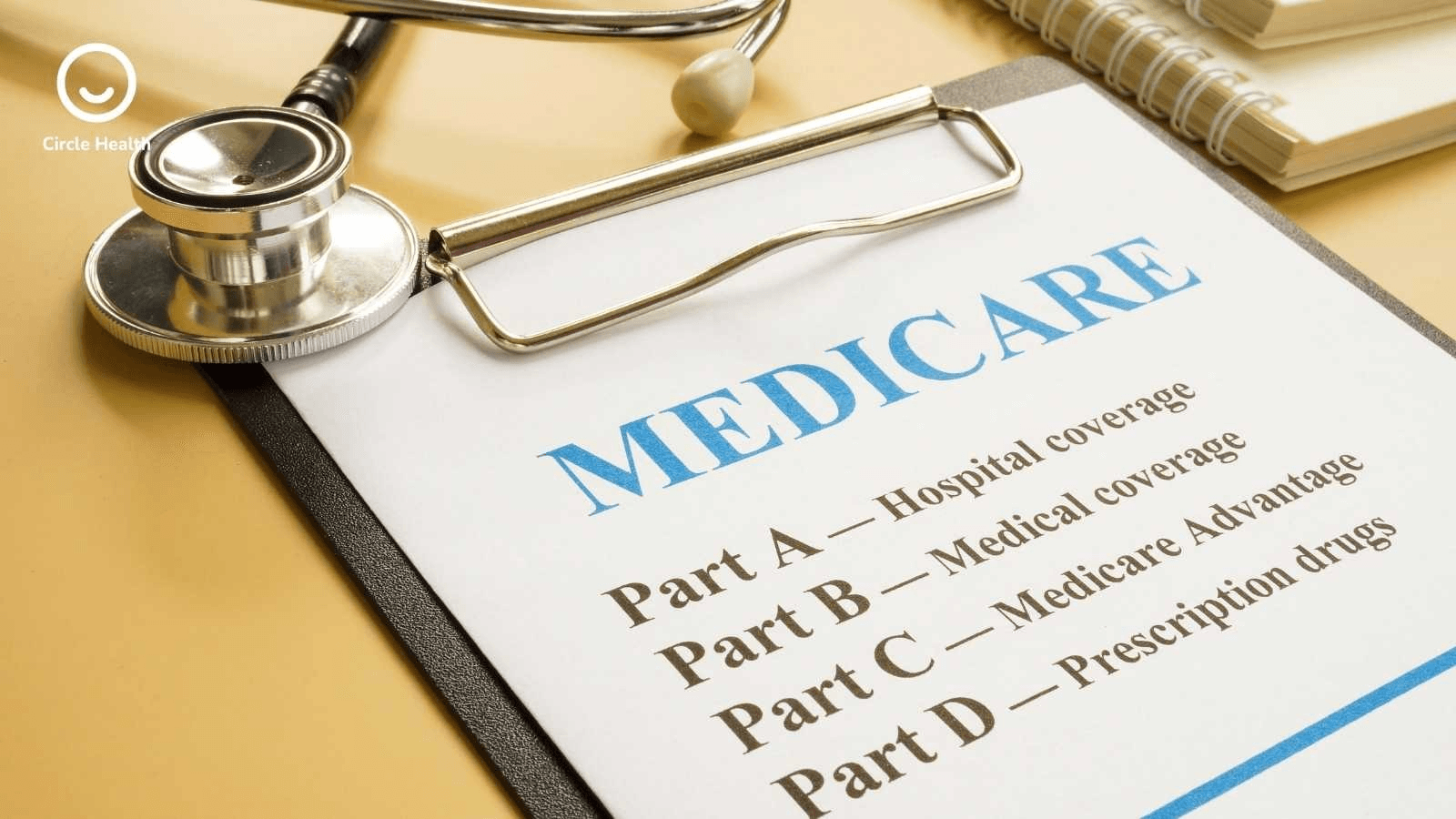
RPM cost only tells half the story. Reimbursement under CMS's RPM coverage rules determines whether the program is a net cost or a net revenue generator.
- CPT 99453: ~$22, one-time device setup and patient education
- CPT 99454: ~$47/month, device supply with 16+ days of transmitted data
- CPT 99445 (new for 2026): Covers shorter 2–15 day monitoring windows
- CPT 99457/99458: Treatment management time, first 20 minutes and each additional 20 minutes
- CPT 99470 (new for 2026): Shorter 10-minute management time option
These additions, confirmed in the 2026 Medicare fee schedule, give practices more flexibility to bill for partial-month monitoring that previously wouldn't have qualified.
Stacking RPM With Other Care Programs
Revenue improves significantly when RPM runs alongside other care management programs rather than standalone. Practices combining RPM with CCM software can generate $200–$300+ PPPM in combined gross revenue per dual-enrolled patient, substantially improving the math against the $150–$300 PPPM all-in cost range.
Which Deployment Model Fits Your Practice?
- DIY in-house: Lowest PPPM at scale, but requires $100K–$300K+ upfront investment - only worthwhile above roughly 500–1,000 patients
- SaaS platform + your staff: Moderate cost, faster deployment, most common choice for mid-sized practices
- Fully managed service: Highest PPPM but lowest operational burden, useful for practices without care management staff to spare
Before committing, it's worth comparing options against a broader RPM vendor overview and reviewing platform features side by side rather than pricing alone.
Conclusion
RPM costs vary widely because "cost" means different things depending on deployment model - device-only, platform-only, or fully managed. The all-in range of $150–$300 PPPM is the realistic number to budget against, not the lower platform-only figures many vendors lead with. Weighing that against Medicare's $120–$200+ PPPM reimbursement potential, especially when stacked with CCM, is what ultimately determines whether an RPM program pays for itself.
FAQs
What is the average monthly cost of RPM per patient?
The total cost of a Remote Patient Monitoring (RPM) program typically ranges from $150 to $300 per patient per month (PPPM), including connected devices, software, and clinical staffing. Platform-only software generally costs $80 to $200 PPPM.
Does Medicare reimburse enough to cover RPM costs?
In many cases, yes. Combined reimbursement from eligible RPM CPT codes can reach $120 to $200+ per patient per month. When RPM is billed alongside Chronic Care Management (CCM), total reimbursement may increase to $200 to $300+ PPPM, depending on documentation and billing compliance.
What's the biggest hidden cost in an RPM program?
Clinical staffing is often the largest hidden expense. A fully loaded care manager typically costs $52 to $69 per patient per month at standard patient-to-staff ratios, which can exceed the cost of the RPM software platform itself.
Is it cheaper to build an in-house RPM platform or use a vendor?
For most healthcare organizations with smaller patient populations, vendor-provided RPM platforms are more cost-effective. Building an in-house platform requires substantial upfront investment but can reduce per-patient costs by 30–50% once enrollment exceeds approximately 1,000 patients.
What new CPT codes affect RPM pricing in 2026?
The introduction of CPT 99445 and CPT 99470 in 2026 provides greater billing flexibility by allowing reimbursement for 2–15 days of transmitted data and 10 minutes of treatment management time, replacing previous all-or-nothing billing thresholds.
Do cellular devices cost more than Bluetooth devices?
Yes. Cellular-enabled RPM devices typically cost $80 to $200+, while Bluetooth devices generally range from $30 to $100. However, cellular devices often achieve higher patient compliance because they automatically transmit data without requiring Wi-Fi or smartphone pairing.
Can RPM costs be offset by combining it with other care management programs?
Yes. Combining RPM with programs such as Chronic Care Management (CCM) can significantly increase reimbursement per patient without increasing the number of enrolled patients, making it one of the most effective strategies for improving RPM program return on investment (ROI).