
How CGM devices work, who they help, and how continuous glucose monitoring fits into Medicare-covered remote patient monitoring programs.
Managing diabetes effectively has always depended on one thing: knowing what your blood sugar is doing in real time. Traditional fingerstick testing gives a single snapshot - but glucose levels shift constantly throughout the day in response to food, activity, stress, and medication. Continuous glucose monitors (CGMs) are wearable devices that monitor glucose levels in real time, giving people with diabetes a far more complete and convenient picture of their blood sugar patterns. This article explains how CGM technology works, who it is designed for, and how it connects to broader remote patient monitoring programs.
What Is a Continuous Glucose Monitor (CGM)?
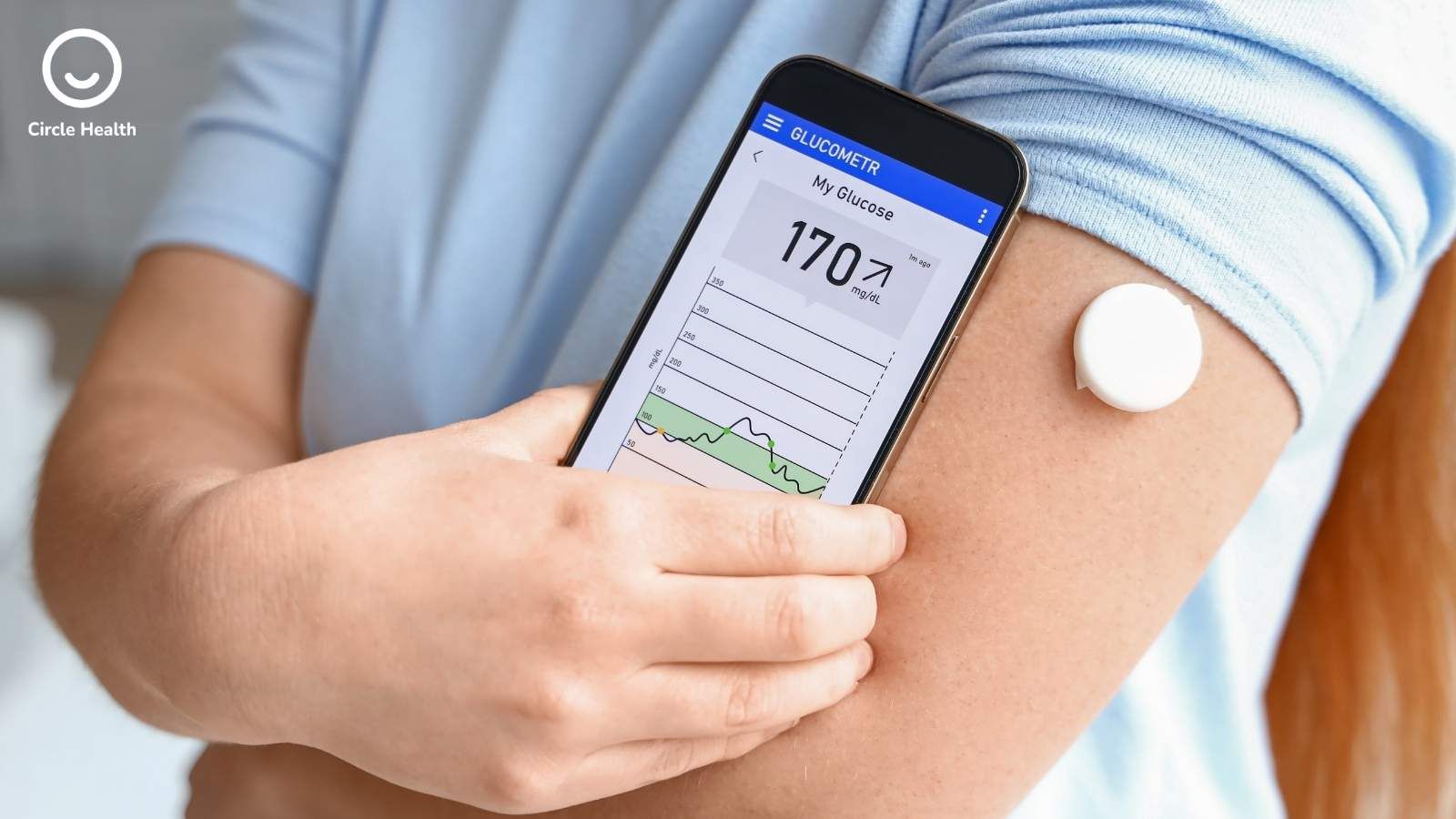
A CGM is a medical device that attaches to your stomach or arm and uses a tiny plastic tube to monitor glucose levels from interstitial fluid - the fluid between cells - just below the skin. Unlike a traditional glucometer that requires a fingerstick at a single point in time, a CGM measures glucose continuously throughout the day and night, sending readings automatically to a receiver, smartphone, or compatible app.
Key components of a CGM system include:
- Sensor - a small filament inserted just under the skin that detects glucose in interstitial fluid
- Transmitter - attached to the sensor, it sends readings wirelessly via Bluetooth
- Receiver or app - displays real-time glucose data, trends, and alerts on a dedicated device or smartphone
CGM sensors typically need to be replaced every 7 to 14 days. Some implantable CGM systems, such as the FDA-approved Eversense E3, can be worn for up to 180 days and transmit glucose readings wirelessly every five minutes to a smart device.
How Does CGM Technology Work?
The sensor placed under the skin measures glucose in interstitial fluid, which correlates closely with blood glucose levels. The reading is generated electrochemically - the sensor uses an enzyme that reacts with glucose and produces a small electrical signal proportional to the glucose concentration. That signal is converted into a glucose value and transmitted to the user's display device.
What makes CGM especially powerful is not just the readings themselves, but the trend data:
- Real-time glucose value - current blood sugar level updated every few minutes
- Trend arrows - show whether glucose is rising, falling, or stable, and at what rate
- High and low alerts - notify the user (and optionally a caregiver) when glucose crosses preset thresholds
- Time-in-range reporting - shows what percentage of the day glucose stayed within a target range
This continuous data stream allows both patients and clinicians to spot patterns, adjust medications, and intervene before dangerous high or low episodes occur. For a broader look at the best connected health devices for RPM in 2026, including FDA-cleared CGM options, Circle Care's device guide compares leading systems by condition and connectivity.
Who Is CGM Designed For?
Anyone with diabetes can benefit from using a CGM, but it is especially valuable for those who have Type 1 diabetes, have Type 2 diabetes and use insulin, frequently test their blood sugar, or have difficulty managing their blood sugar levels.
Beyond these core groups, CGM is increasingly used by:
- People with prediabetes - to understand how lifestyle choices affect blood sugar before a full diagnosis
- Patients post-surgery, particularly after bariatric or gastrointestinal procedures, where glucose regulation may be disrupted
- Older adults with hypoglycemia unawareness - seniors who no longer feel the warning signs of low blood sugar and are at higher risk of falls and emergencies
- People managing diabetes through care management programs - where CGM data feeds into coordinated chronic care and remote monitoring plans
CGMs are also becoming more widely available for people without diabetes who use them to optimize metabolic health, nutrition, or physical fitness goals.
CGM as Part of Remote Patient Monitoring (RPM)
CGM devices are a natural fit within formal Remote Patient Monitoring programs, where glucose data is transmitted not just to the patient but to a clinical care team. In an RPM framework, CGM works as follows:
- The patient wears the CGM device at home and goes about their daily routine
- Glucose readings are automatically transmitted to a secure clinical platform
- Care coordinators or nurses review the data and flag readings outside safe parameters
- Physicians receive alerts for patterns that require medication adjustment or intervention
- The patient receives follow-up calls, education, or a scheduled visit as needed
This model transforms diabetes care from reactive (responding to a crisis) to proactive (catching a trend before it becomes one). For practices evaluating vendors, reviewing top remote patient monitoring companies helps identify platforms that support CGM integration alongside other chronic condition monitoring. Understanding the remote patient monitoring ROI - including reimbursement potential through CMS billing codes - is equally important for practices deciding whether to implement a formal program.
Does Medicare Cover CGM Devices?
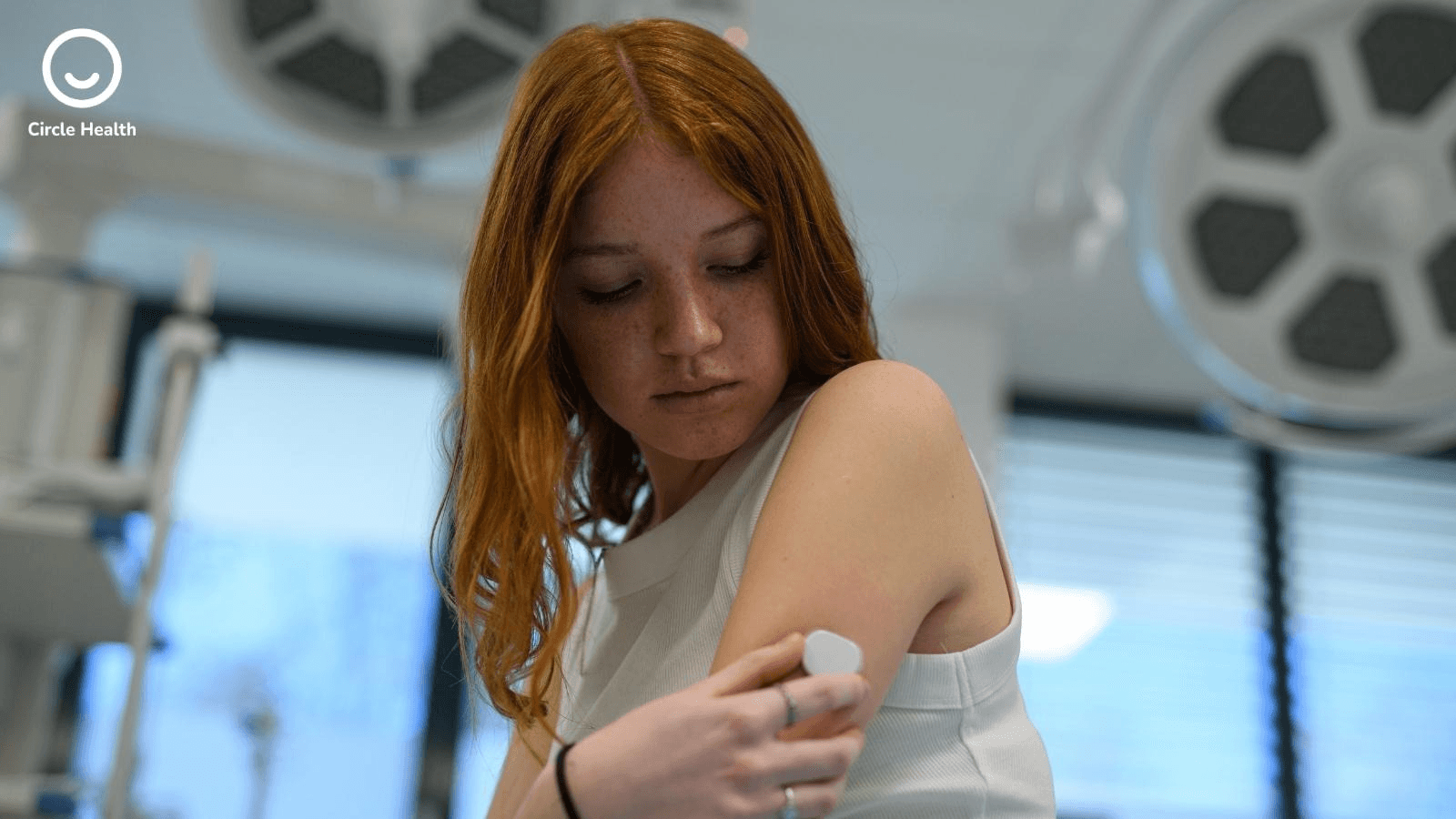
Yes. Medicare Part B covers CGMs for eligible beneficiaries, classifying them as durable medical equipment. To qualify, a patient must:
- Have a confirmed diabetes mellitus diagnosis
- Require daily blood sugar testing
- Use insulin or have a documented history of problematic hypoglycemia
- Have a physician prescribe the device and provide usage guidance
After meeting the Part B deductible, Medicare pays 80% of the CGM cost, with the patient responsible for 20% coinsurance. Coverage details and eligibility criteria are maintained at Medicare.gov and may be updated annually, so it is worth confirming current requirements directly.
Conclusion
Continuous glucose monitoring has shifted diabetes management from periodic snapshots to a continuous, real-time view of how the body responds to daily life. For patients with Type 1 or insulin-dependent Type 2 diabetes, CGM offers a level of insight and safety that fingerstick testing alone cannot match. When integrated into a remote patient monitoring program, CGM data becomes a clinical tool - allowing care teams to act on trends before they become emergencies and supporting better long-term outcomes for one of the most prevalent chronic conditions in the country.
Frequently Asked Questions
Q1. What is the difference between a CGM and a traditional blood glucose monitor?
A traditional glucose monitor requires a fingerstick and provides a single reading at a specific moment. A Continuous Glucose Monitor (CGM) tracks glucose levels continuously throughout the day and night, offering real-time trends, alerts, and a more complete view of glucose patterns without frequent finger pricks.
Q2. How accurate are CGM devices?
Modern CGM devices are highly accurate and FDA-cleared for diabetes management. Most allow treatment decisions based on CGM readings alone. Accuracy may vary due to sensor placement, hydration levels, or certain medications, so users should follow manufacturer instructions carefully.
Q3. Does Medicare cover Continuous Glucose Monitors (CGMs)?
Yes. Medicare Part B covers CGMs for eligible beneficiaries with diabetes who meet specific requirements, including physician-prescribed glucose monitoring and qualifying treatment needs. Coverage rules may change, so patients should verify current eligibility through Medicare.
Q4. Can CGM data be shared with healthcare providers remotely?
Yes. Most CGM systems automatically transmit glucose data to mobile apps or cloud-based platforms. Healthcare providers can review trends remotely, making CGMs an important component of Remote Patient Monitoring (RPM) and diabetes management programs.
Q5. How long does a CGM sensor last?
Most wearable CGM sensors remain in place for 7–14 days before replacement. Some implantable CGM systems last much longer, with certain FDA-approved devices providing continuous glucose monitoring for up to six months.