
Why C. auris, CRE, and vaccine hesitancy are driving F880 infection prevention citations in nursing homes and what facilities can do.
Infection prevention and control deficiencies remain the most cited compliance violation for nursing homes in the first half of 2026. Respiratory viruses, gastrointestinal viruses, and multidrug-resistant organisms (MDROs) are the top concerns. Many of these threats can be minimised through effective protocols and readily available vaccines - but prevention efforts are still complicated by resident attitudes and vaccine resistance.
At Circle Health Care, we work alongside skilled nursing facilities, navigating exactly these pressures. The clinical playbook is well established; execution against an evolving threat landscape is where programs succeed or fall short.
The Two Pathogens Driving the Greatest Concern
Among highly contagious - and potentially deadly - pathogens, two stand out, according to Jodi O'Mara, chief nursing officer for Journey Skilled Nursing (39 facilities across GA, IN, KY, MD, OH, and WV): Candida auris (C. auris), a fungal infection, and CRE infections caused by Carbapenem-resistant Enterobacterales. Both are on the rise nationally and require heightened vigilance because of their resistance to treatment and potential for severe outcomes among medically complex residents.
- Last year, the CDC reported over 7,000 deaths related to C. auris
- In 2026, more than 7,000 C. auris cases have already been reported across half of the U.S. states
- Nevada, California, and Illinois are reporting the highest case counts
- CRE infections have been rising steadily since 2019 and are resistant to the strongest antibiotics available
For the latest national surveillance data on antimicrobial-resistant organisms, the CDC's tracking and reporting resources remain the authoritative public source.
Why C. Auris Is Especially Difficult to Contain
C. auris is of particular concern in facilities serving residents with respiratory compromise, ventilator dependence, or in-dwelling medical devices. It carries a high mortality risk and is difficult to treat, since many antimicrobial therapies are ineffective against it. The organism can also survive for extended periods on surfaces - making environmental cleaning critical.
- Infected residents typically require contact isolation
- Facilities must place ventilator-dependent or device-dependent residents on contact precautions immediately upon diagnosis
- Cleaning must use EPA-approved hospital-grade disinfectants (bleach- or hydrogen peroxide-based)
- Deep cleaning of resident rooms and shared equipment is essential, given the organism's surface survival
- Early identification, strict infection control, and diligent cleaning are critical to limiting transmission, O'Mara said
Continuous resident monitoring adds value beyond traditional shift-based vital checks here. Circle Health Care's Remote Patient Monitoring (RPM) program helps care teams track temperature and respiratory indicators for high-risk, medically complex residents - surfacing early deviations from baseline that support the early identification O'Mara describes as critical.
Vaccine Hesitancy Continues to Complicate Prevention Efforts
Michelle Stuercke, chief clinical officer with TCM Management and Consulting, has seen a rise in pneumonia and RSV - partly due to resident resistance to pneumococcal and respiratory virus vaccines. "These were a bit harder to convince individuals to accept," she told Skilled Nursing News. "However, as we are seeing a surge in RSV, families and residents are asking about [vaccination] more at this time."
Norovirus-driven GI issues are also spreading quickly through facilities, Stuercke noted. Vaccines remain highly effective at preventing spread - but opposition has lingered since the COVID-19 pandemic.
- Vaccination rates at Journey's facilities have varied from state to state
- Influenza and pneumococcal vaccination rates have improved overall, credited to collaboration among medical directors, nurse practitioners, and facility leadership
- A dedicated respiratory treatment protocol helped Journey manage outbreaks and avoid serious complications
- Trust between Infection Preventionists and residents is a key driver of vaccine acceptance, Stuercke said
"We saw great acceptance of the flu vaccine this year," Stuercke said. "If the IP has a good, trusting relationship with the residents, then they are more likely to be accepting."
Why F880 Remains the Top-Cited Deficiency
Compliance with CMS infection prevention requirements remains a priority for Journey, O'Mara said - noting that F880, the tag for Infection Prevention and Control, remains one of the most frequently cited deficiencies nationwide. The full requirement is outlined under 42 CFR § 483.80, which mandates every facility to maintain a documented infection prevention and control program.
- Ongoing staff education on hand hygiene is monitored consistently
- Proper, consistent use of personal protective equipment
- Strict adherence to isolation protocols
- Active coordination with local and state health departments to track emerging organisms
Staffing Levels and Trust: The Less Obvious Variables
Optimal staffing levels can also be key to a sound infection prevention program, providers say. "Staffing has become such a focus since COVID … the more staff we have in the buildings allows us better training," said Laurel Lingle, Journey's vice president of talent acquisition.
Maintaining protocols isn't always easy, even with strong systems in place. Andrew McNamara, chief medical officer with Trilogy Health Services, noted that different states across Trilogy's footprint interpreted CDC vaccine and masking recommendations differently - creating inconsistency. "Based on location, how they interpreted some of the vaccines and the stuff that happened during the pandemic, they're a little jaded," he said.
For facilities looking to extend infection surveillance and care coordination capacity without adding headcount, Circle Health Care's Chronic Care Management (CCM) program provides a structured framework for regular clinical touchpoints with high-risk residents - complementing internal staffing rather than replacing it.
Preventing the Spread of Common MDROs
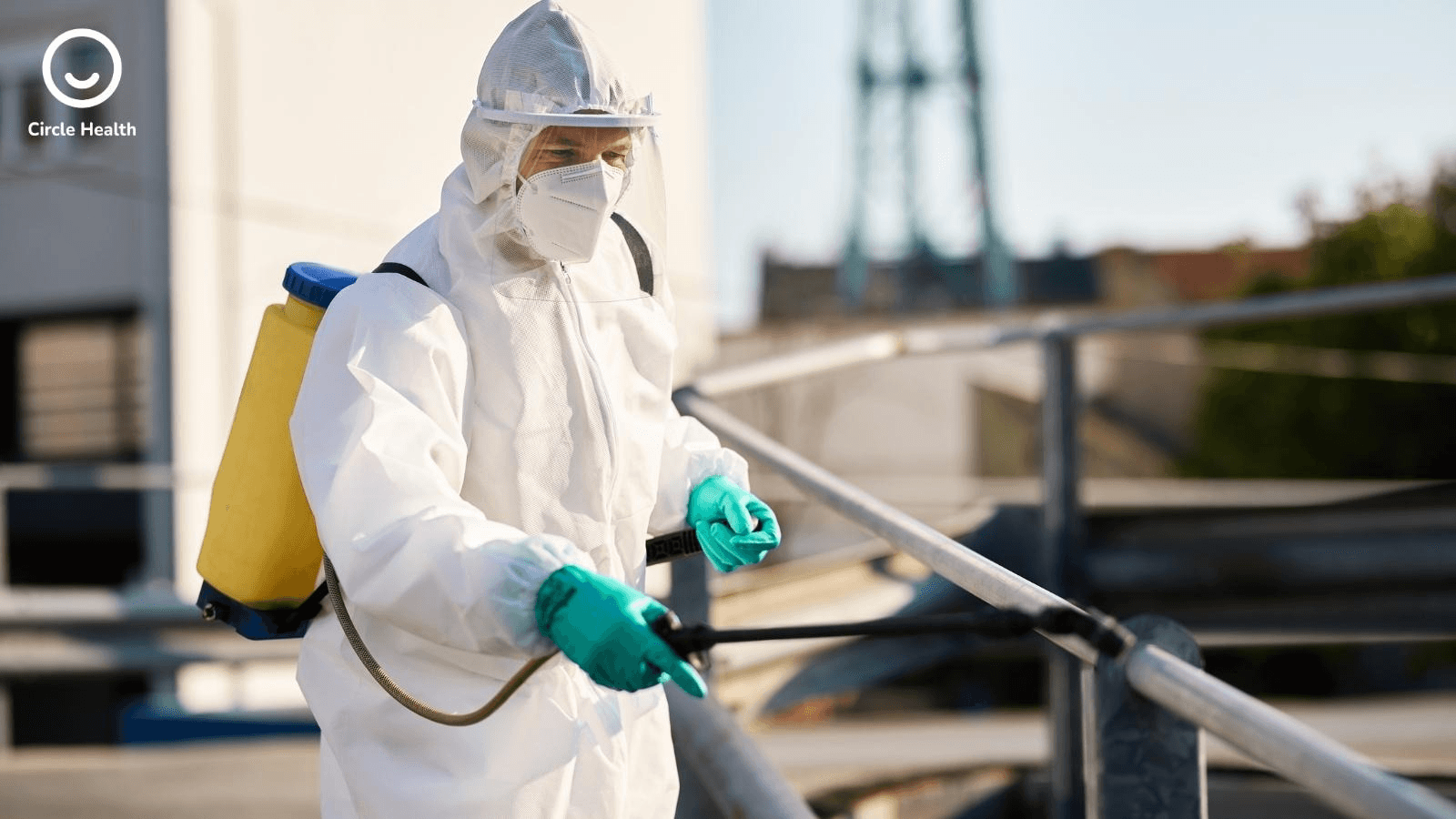
To prevent the spread of superbugs like C. auris, some skilled nursing facilities have had to turn away residents, according to Stuercke. "In metropolitan areas, C. auris continues to be a challenge. Facilities are reluctant to accept residents, as they are worried about the spread," she said.
- Conduct ongoing surveillance and root-cause analysis on healthcare-associated infections
- Educate the entire interdisciplinary team - nursing, housekeeping, dietary, activities, social services, and rehab
- Confirm cleaning agents are effective against the specific organism in question
- Understand the required dwell time for disinfectants to fully remove the organism from surfaces
"What the facility is using to clean either does not kill the organism, or the facility does not understand the required dwell time," Stuercke said. "Your environmental services and housekeeping staff [should] know which supplies to use when and what the instructions for use are for the different organisms."
Facilities looking to strengthen surveillance and documentation across their infection prevention program can pair these operational fixes with Circle Health Care's outcomes tracking and care coordination tools, which support the kind of population-level surveillance and root-cause analysis O'Mara points to as essential for 2026.
Conclusion
Infection prevention remains the most cited nursing home deficiency in 2026. While threats such as C. auris, CRE, and respiratory viruses continue to challenge facilities, the biggest issue is often not awareness but consistent execution. Strong hand hygiene, proper PPE use, effective surveillance, and ongoing staff training remain essential for reducing infection risks and maintaining compliance. Facilities that focus on early detection and proactive prevention are best positioned to protect residents and avoid citations.
Frequently Asked Questions
Q1. What is F880, and why does it remain the top-cited nursing home deficiency?
F880 is the CMS survey tag for Infection Prevention and Control under 42 CFR § 483.80. It stays the most frequently cited deficiency because compliance depends on consistent daily execution - hand hygiene, PPE, isolation protocols, and surveillance - across every shift, every day.
Q2. Why are C. auris and CRE considered such high-risk pathogens in nursing homes?
Both resist many available antimicrobial treatments, making infections difficult to treat. C. auris can also survive for extended periods on surfaces like bedrails and catheters, raising the risk of facility-wide transmission if cleaning protocols fall short.
Q3. Why is vaccine hesitancy still a challenge for nursing homes in 2026?
Resistance has persisted since the COVID-19 pandemic, with some residents and families more reluctant to accept pneumococcal and respiratory virus vaccines. Facilities that build trusting relationships between Infection Preventionists and residents report stronger acceptance.
Q4. How does staffing level affect infection prevention outcomes?
Adequate staffing allows for more consistent training and protocol adherence. Providers note that infection prevention programs are harder to sustain when facilities are understaffed, since training and surveillance are often the first activities to be deprioritised.
Q5. What should facilities do when an emerging organism is identified in their region?
Coordinate with local and state health departments to stay informed, then proactively educate staff on how the organism transmits and confirm current cleaning agents are effective against it - before an outbreak occurs.
Q6. What cleaning protocols are required for residents with C. auris?
Residents typically require contact isolation, along with enhanced environmental cleaning using EPA-approved hospital-grade disinfectants applied with the correct dwell time to fully remove the organism from surfaces.