
Best connected health devices for RPM in 2026. Compare FDA-cleared devices by condition, connectivity, and CMS billing support.
Choosing the right connected health devices is one of the most consequential decisions a practice makes when launching a Remote Patient Monitoring (RPM) program. If a device fails to transmit reliably, patients disengage, data gaps appear, and reimbursement is lost. This guide covers the core device categories, what to evaluate, and how hardware choice directly affects your clinical and billing outcomes in 2026.
Why Device Selection Matters More Than Ever in 2026
RPM now extends across hypertension, diabetes, COPD, heart failure, post-acute recovery, and hospital-at-home programs. The 2026 RPM CPT code updates - including new codes 99445 and 99470 for shorter 2–15 day monitoring windows - give practices more billing flexibility than ever before.
But that flexibility only pays off when devices transmit data consistently. The right device increases patient compliance, supports audit-ready documentation, and protects your reimbursement under CPT codes 99453, 99454, 99457, and 99458.
FDA Clearance: The Non-Negotiable Starting Point
Every device used in a billable RPM program must be FDA-cleared. Consumer wellness wearables - even popular ones - do not qualify.
Most RPM devices are Class II medical devices cleared through the FDA's 510(k) process. This includes blood pressure monitors, glucometers, pulse oximeters, digital weight scales, and ECG patches. Verify any device's clearance status in the FDA's medical device database before committing to a vendor.
Core Device Categories and Clinical Use Cases
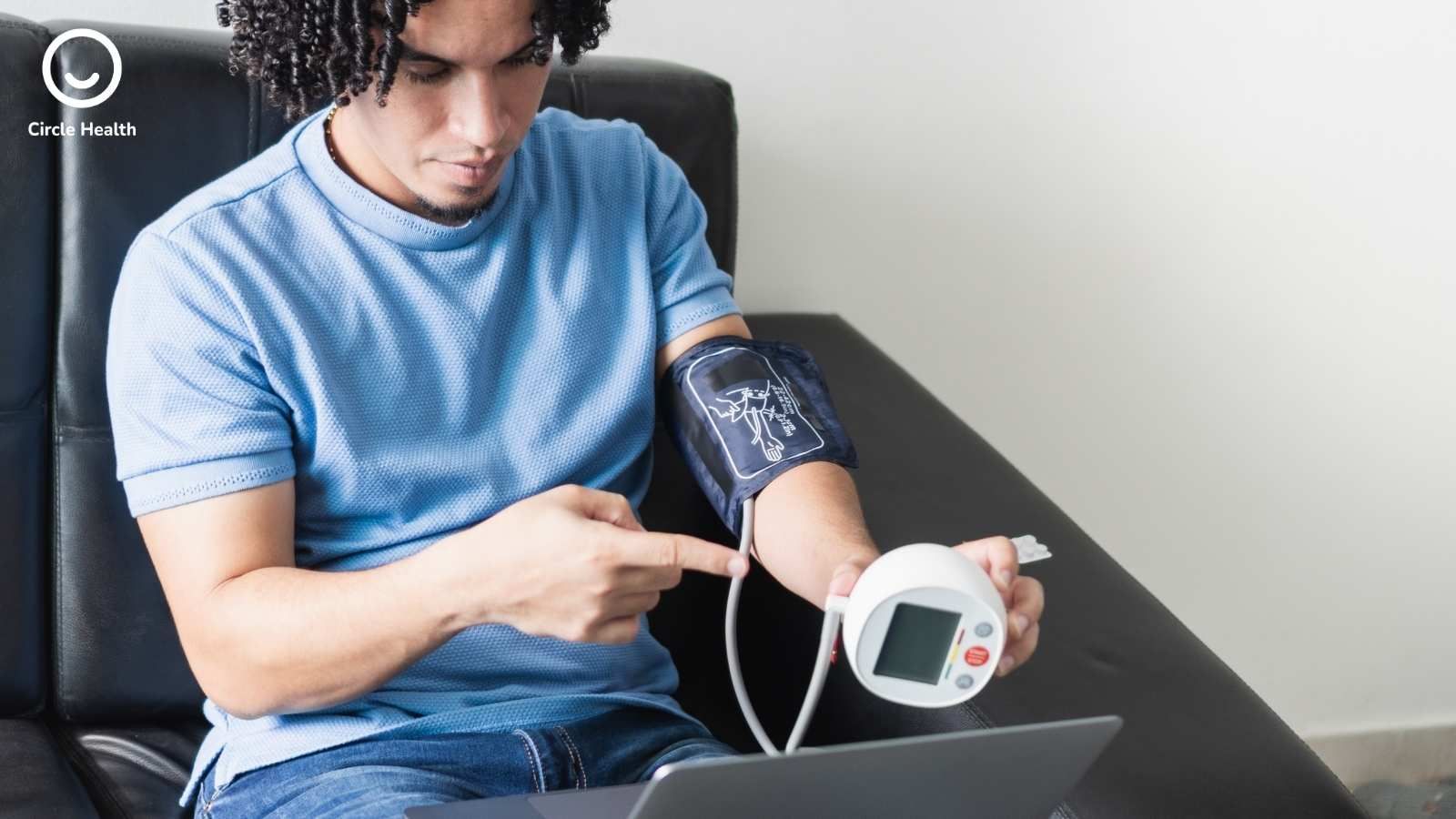
Blood Pressure Monitors
The highest-volume RPM device category. Hypertension affects over 116 million U.S. adults, and twice-daily BP monitoring guided by home readings improves control rates from roughly 50% to 70–80% in published programs.
Key features to prioritize:
- Cellular connectivity (no smartphone or Wi-Fi dependency)
- Automatic data transmission to the provider dashboard after each reading
- Memory storage for readings taken during connectivity gaps
Cellular-enabled BP monitors significantly outperform Bluetooth-only devices in elderly and rural populations - the two demographics most likely to be in your RPM panel.
Blood Glucose Monitors and CGMs
Essential for diabetes management. Standard glucometers require a finger-stick reading transmitted via Bluetooth or cellular hub. CGMs offer passive, real-time tracking without daily patient action - richer data, but higher cost and more clinical workflow complexity. Confirm platform compatibility before selecting a CGM.
Pulse Oximeters
Used for COPD, asthma, heart failure, and post-COVID monitoring. A strong RPM pulse oximeter measures SpO2, pulse rate, and perfusion index, and transmits automatically after each reading. Particularly valuable in transitional care - early detection of oxygen desaturation prevents readmissions during the critical 30-day post-discharge window.
Digital Weight Scales
Core device for heart failure management. Daily weight monitoring detects fluid retention 2–3 days before clinical symptoms appear - an intervention window that doesn't exist with periodic office visits. Scales have very high patient compliance rates, making them a reliable anchor for heart failure programs.
ECG Patches and Cardiac Monitors
Used for arrhythmia detection, atrial fibrillation monitoring, and post-cardiac event surveillance. These devices range from consumer-adjacent patches worn for days to implantable loop recorders that monitor continuously for years.
For outpatient practices, wearable ECG patches covering 7–30-day monitoring windows offer the best balance of clinical value and patient feasibility.
Key Device Evaluation Criteria for 2026
Before selecting any device category or vendor, evaluate against these criteria:
- Connectivity type: Cellular is strongly preferred over Bluetooth-to-gateway setups, especially for patients without reliable Wi-Fi or smartphone access
- CMS billing compatibility: Does the device support the required 16+ days of daily transmission for CPT 99454, and the shorter 2–15 day window now supported under CPT 99445?
- EHR integration: Data must flow automatically into your clinical dashboard - manual entry creates documentation gaps and billing risk
- Patient ease of use: Single-button or fully automatic operation dramatically improves compliance in older adult populations
- HIPAA-compliant data transmission: Encrypted cellular transmission with audit logs is the minimum standard for clinical RPM devices
Understanding the full ROI of an RPM program depends significantly on device compliance rates - a device that 40% of patients stop using will always underperform a simpler device with 85% compliance.
Connectivity Models: Cellular vs. Bluetooth
Cellular-enabled devices connect directly to carrier networks - no app pairing, no Wi-Fi required. They work out of the box for virtually any patient, including elderly and rural populations. Strongly recommended for Medicare-age panels.
Bluetooth devices pair to a smartphone or gateway hub. Lower cost, but introduces patient-side complexity that reduces compliance. Appropriate for tech-comfortable patients only - not a reliable default for high-risk populations.
Matching Devices to Conditions
Choosing the right device for each condition helps improve patient outcomes, increase monitoring compliance, and support effective RPM programs. The table below highlights the most commonly used devices for different health conditions in 2026.
Frequently Asked Questions
Q1. Do RPM devices need to be FDA-cleared to qualify for Medicare reimbursement?
Yes. CMS requires RPM programs to use FDA-cleared medical devices for reimbursement. Consumer wellness devices, such as fitness trackers and smartwatches, do not qualify for billable RPM services, even if they collect similar health data.
Q2. What is the minimum device usage requirement for RPM billing?
For CPT 99454, patients must transmit data on at least 16 days during a 30-day period. The new CPT 99445 code allows billing for shorter monitoring periods of 2–15 days in eligible cases.
Q3. Which RPM device has the highest patient compliance rate?
Cellular-enabled blood pressure monitors typically achieve the highest compliance rates. Because they automatically transmit readings without requiring apps, Wi-Fi, or manual uploads, they are especially effective for elderly and Medicare patients.
Q4. Can a practice use multiple device types under a single RPM program?
Yes. Patients can use multiple RPM devices, such as a glucometer and blood pressure monitor, when clinically appropriate. The RPM platform should be able to combine data from all devices into one patient record.
Q5. What is the difference between RPM devices and Remote Therapeutic Monitoring (RTM) devices?
RPM devices collect physiological data such as blood pressure, glucose, and weight. RTM devices track therapeutic activities, including medication adherence, exercise participation, and patient-reported outcomes, using separate billing codes.
Q6. Is cellular connectivity required for RPM devices?
No. CMS does not require cellular connectivity, but it is often preferred because it simplifies device use. Cellular devices automatically transmit data, helping improve patient adherence and reducing technical barriers.