

Learn how the Chronic Care Model uses self-management support to improve outcomes for chronic conditions and enhance long-term patient care.
More than half of U.S. adults live with at least one chronic condition, and many manage two or more. Traditional, visit-based care struggles to keep up with these ongoing needs. The Chronic Care Model was built to close that gap, and self-management support sits at its center.
What Is the Chronic Care Model?
The Chronic Care Model (CCM) is a framework built to help healthcare systems deliver better, more consistent care for people with long-term conditions. Rather than treating chronic illness as a series of isolated visits, it reorganizes care around ongoing, coordinated support.
The model was developed to reduce costs and improve quality as chronic disease became a larger share of the healthcare burden, fostering productive interactions between informed patients and prepared, proactive care teams.
This shift also extends to patients managing a single high-risk condition through models like Principal Care Management, and pairs naturally with the broader pros, cons, and benefits of remote patient monitoring as a self-management tool.
The Six Elements of the Chronic Care Model
The model rests on six interconnected components:
- Health system organization: Prioritizing chronic disease care as a core function, not an afterthought
- Community resources: Connecting patients to outside support like exercise programs or peer groups
- Self-management support: Equipping patients with the knowledge and confidence to manage their condition day to day
- Delivery system design: Structuring care teams so follow-up happens reliably, not by chance
- Decision support: Embedding evidence-based guidelines into everyday clinical decisions
- Clinical information systems: Using data and registries to track patients and flag gaps in care
Of these six, self-management support is often described as the most patient-facing, and the one most directly tied to day-to-day outcomes.
What Self-Management Support Actually Means
Self-management is the set of tasks a patient handles on their own between visits: taking medications correctly, tracking symptoms, adjusting behavior, and knowing when to seek help. Self-management support is what the healthcare system does to make that possible.
According to the Agency for Healthcare Research and Quality (AHRQ), primary care teams play a direct role here, helping patients build skills while accounting for social and economic barriers that can get in the way. This support includes:
- Structured patient education tailored to a specific condition
- Goal-setting conversations that reflect what the patient actually wants
- Regular check-ins to reinforce progress and catch setbacks early
- Practical problem-solving for real-world barriers like cost or transportation
Why Self-Management Support Works
Chronic conditions are mostly managed outside the clinic. A patient with diabetes makes dozens of small daily decisions about food, activity, and medication, decisions no provider can make for them.
Research consistently links strong self-management support to fewer hospitalizations, lower emergency department use, and better control of measures like blood pressure and blood glucose. The CDC's research on chronic condition self-management notes that supporting patients between visits is a critical strategy for improving population-level outcomes, not just individual ones.
Putting Self-Management Support Into Practice
Practices don't need to overhaul everything at once to apply this element of the model. Common starting points include:
- Assigning a care coordinator or care manager as a consistent point of contact
- Using structured care plans that document goals and revisit them regularly
- Scheduling brief, recurring check-ins rather than relying only on annual visits
- Screening for barriers like health literacy, transportation, or cost early on
- Following up on missed goals instead of waiting for the next scheduled visit
This is essentially the operating model behind Chronic Care Management (CCM) services, which formalize non-face-to-face support into a structured, monthly program for patients with multiple chronic conditions.
Where Technology Fits In
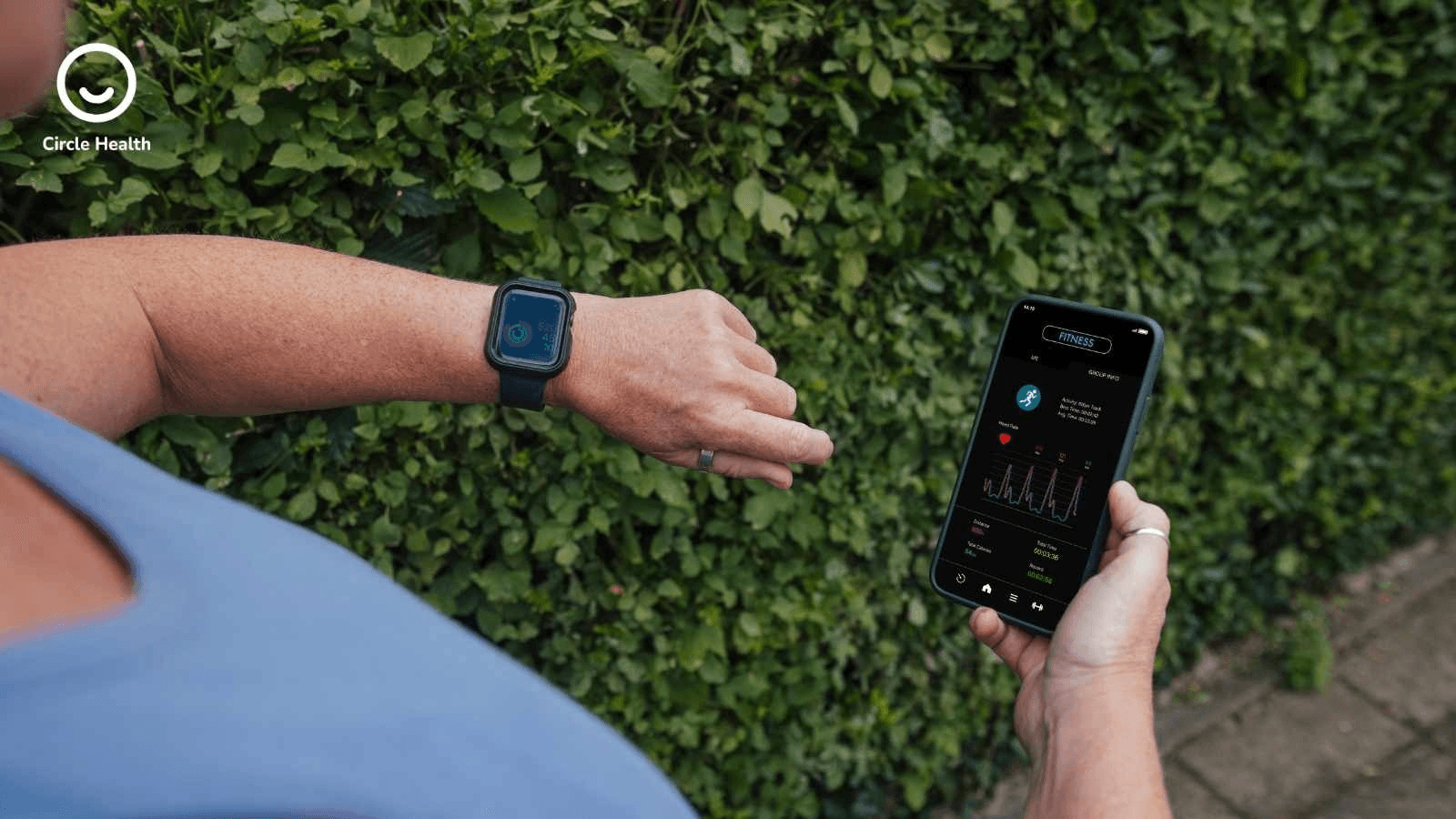
Self-management support has traditionally relied on phone calls and in-person visits, but that's changing. Programs that combine in-home chronic care management with remote monitoring give care teams a continuous view of how a patient is actually doing, not just a snapshot from their last appointment.
Conclusion
The Chronic Care Model reframes chronic illness as something managed continuously, not treated episodically. Self-management support puts patients at the center of that process, giving them the tools and structure to manage their health with confidence. For providers, building this into everyday workflows, through dedicated staff, structured programs, or supporting technology, is one of the most reliable ways to improve outcomes for the patients who need it most.
FAQs
Who developed the Chronic Care Model?
The Chronic Care Model was developed by Dr. Edward Wagner and colleagues in the 1990s as a response to episodic, visit-based care for chronic illness. It has since been adopted across primary care systems worldwide and remains one of the most widely referenced frameworks in chronic disease management.
What's the difference between self-management and self-management support?
Self-management refers to what patients do on their own, such as taking medications, monitoring symptoms, and making healthy lifestyle choices. Self-management support refers to the education, guidance, care coordination, and regular follow-up provided by healthcare teams to help patients succeed. While closely related, the two serve different roles in chronic disease management.
Which conditions benefit most from self-management support?
Conditions that require ongoing monitoring or lifestyle changes benefit the most, including diabetes, hypertension, heart failure, and COPD. However, the principles of self-management support can be applied to nearly any chronic condition that requires long-term patient engagement.
Is the Chronic Care Model only relevant to primary care?
No. Although the Chronic Care Model is most commonly implemented in primary care, its principles also apply to speciality care, care coordination programs, and other healthcare settings that provide continuous care rather than one-time treatment.
How does self-management support reduce hospitalizations?
Self-management support helps patients recognize early warning signs, adhere to treatment plans, and manage their conditions more effectively. Regular follow-ups also allow care teams to intervene early, preventing minor issues from developing into emergencies or avoidable hospitalizations.
Can self-management support work without extra staff?
Not easily. Effective self-management support typically requires a dedicated point of contact to provide ongoing education, monitoring, and follow-up. While structured care management programs and technology can improve efficiency, consistent human support remains essential to successful long-term patient care.