

Learn CPT 99439 billing rules, 2026 reimbursement rates, documentation requirements, eligibility, and common CCM billing errors.
Chronic Care Management (CCM) is one of Medicare's most valuable and underutilized reimbursement programs. Most providers are familiar with CPT 99490 - the foundational CCM code covering the first 20 minutes of monthly care coordination - but many miss a consistent revenue opportunity hidden in plain sight: CPT 99439, the add-on code that captures every additional 20 minutes of clinical staff time beyond that baseline. Billed correctly, 99439 can significantly increase monthly reimbursement per patient without adding new patients or new staff. Billed incorrectly, it becomes a compliance risk. This guide covers exactly what you need to know.
What Is CPT 99439?
CPT 99439 is an add-on code for non-complex Chronic Care Management (CCM), used for each additional 20 minutes of non-face-to-face clinical staff time in a month. It is billed along with CPT 99490 and allows practices to receive reimbursement for extra care coordination time. Together, 99490 and 99439 can cover up to 60 minutes of CCM services per patient each month.
According to CMS Chronic Care Management guidelines, CCM is a structured monthly service for Medicare patients with two or more chronic conditions expected to last at least 12 months or until death - conditions that place patients at significant risk of acute exacerbation, functional decline, or death.
The Full Non-Complex CCM Code Structure
Understanding 99439 requires understanding where it sits within the CCM billing framework:
CPT 99439 is an add-on code specifically for 99490 and cannot be billed with 99491 or complex CCM codes for the same patient in the same month. Practices managing Chronic Care Management services alongside RPM and TCM should maintain clear billing workflows to avoid coding conflicts.
Patient Eligibility for CPT 99439
CPT 99439 follows the same patient eligibility criteria as the base CCM program. Per CMS requirements, patients must meet all of the following:
- Two or more chronic conditions expected to last at least 12 months or until the patient's death
- Conditions that carry significant clinical risk - of death, acute exacerbation or decompensation, or functional decline
- Established Medicare Part B coverage under Original Medicare
- Prior patient consent - documented written or verbal consent, obtained once unless the patient changes CCM providers
Billing Requirements: What Must Be in Place
For CPT 99439 to be billable and audit-proof, six core requirements must be met each billing month:
- Initiating visit completed - New CCM patients or those unseen within the past year must have had a face-to-face initiating visit during an E/M visit, Annual Wellness Visit (AWV), or Initial Preventive Physical Exam (IPPE) before any CCM code can be billed
- Written or verbal patient consent - Documented once at enrollment; must cover the scope of services and applicable cost-sharing
- Comprehensive care plan - An individualized, patient-centered care plan covering goals, health history, medications, specialists, and self-management behaviors; must be in place and updated as needed
- Documented clinical staff time - Each unit of 99439 requires documented evidence of at least 20 additional minutes of non-face-to-face care coordination time during the calendar month, cumulative across all contacts
- 24/7 access to care - The practice must offer patients around-the-clock access to clinical staff for urgent needs, with secure electronic communication and care continuity from a designated team member
- Single billing provider - Only one provider may bill CCM for a given patient in a given calendar month; if a patient is enrolled elsewhere, the practice cannot bill concurrently
Documentation That Supports Every Unit of 99439
Documentation is the single most common failure point in CCM audits. For each billed unit of CPT 99439, the patient record must contain:
- A time-stamped activity log capturing the specific date, duration, and nature of each care coordination contact - phone calls, portal messages, medication reconciliation, specialist communication, care plan review
- The name and credentials of the clinical staff member who performed the service
- A clear link between documented time and the patient's chronic conditions - general administrative work does not count toward billable CCM time
- The cumulative monthly time total, confirming that 99490 thresholds were met before 99439 was applied
Practices using remote care platforms that automate time tracking and documentation across CCM and RPM programs significantly reduce documentation burden and compliance risk.
Concurrent Billing: What 99439 Can Be Paired With
CPT 99439 may be billed concurrently with several other Medicare programs, provided time and clinical effort are tracked independently for each:
- Remote Patient Monitoring (RPM) - RPM codes 99454, 99457, and 99470 may all be billed alongside CCM in the same month; RPM time cannot be counted toward CCM time thresholds
- Behavioral Health Integration (BHI) - CPT 99484 and Collaborative Care Management codes may be billed concurrently with 99490/99439, provided BHI services are separately documented
- Principal Care Management (PCM) - Cannot be billed in the same month as CCM for the same patient
For practices evaluating the full revenue potential of layering CCM with RPM, a patient with hypertension, diabetes, and COPD who qualifies for both programs can generate approximately $200 to $300 in combined monthly reimbursement - a meaningful recurring revenue model at scale.
CPT 99439 and Remote Patient Monitoring
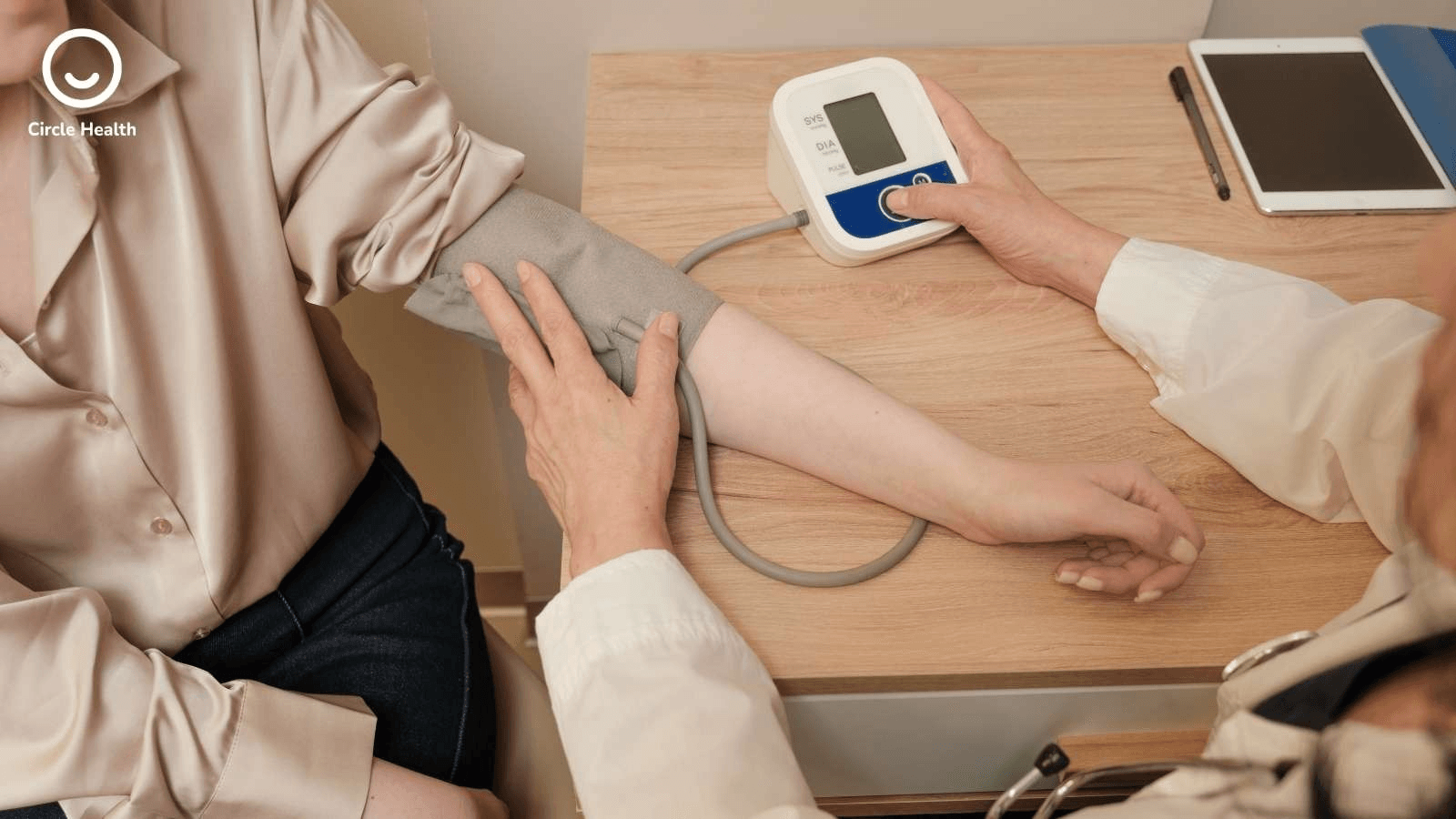
Many practices that deliver CCM services also offer Remote Patient Monitoring (RPM), which allows providers to track patient health data between visits using connected devices. RPM and CCM can be billed together in the same month as long as time is not double-counted between the programs.
Combining CCM and RPM creates a more complete picture of a patient's health between office visits, particularly for patients managing conditions like hypertension, diabetes, or heart failure. Platforms like Circle Care help care teams coordinate both programs efficiently, reducing the administrative burden on clinical staff while keeping patients more engaged in their care.
Common Billing Errors to Avoid
- Billing 99439 without 99490 - 99439 is strictly an add-on; it has no standalone billing pathway
- Exceeding two units per month - CMS caps 99439 at two units per calendar month per patient; billing a third unit will be denied
- Counting RPM or BHI time toward CCM minutes - Each program's time must be tracked and documented independently
- Billing 99439 alongside 99491 - These belong to different CCM series; they cannot be combined in the same billing month
- Missing cumulative time documentation - If the record shows 38 minutes of total CCM time but does not clearly show that 20 minutes of 99490 were completed before the additional 18 minutes were logged, the 99439 claim is unsupported
Conclusion
CPT 99439 is one of the most consistently underutilized legitimate revenue opportunities in Medicare's care management framework. Practices that enroll patients in CCM and routinely deliver more than 20 minutes of monthly care coordination - but only bill 99490 - are systematically underreporting the work they are already doing. Billing 99439 for that additional time is not aggressive; it is accurate billing.
The keys are documentation discipline, proper time tracking, and a clear understanding of which code series applies to which patients. Practices that build structured, compliant CCM programs around these requirements - and pair them with RPM and behavioral health integration where appropriate - are best positioned to deliver measurable chronic disease outcomes while capturing the full reimbursement they have earned.
Frequently Asked Questions
Q1. Can CPT 99439 be billed by a specialist, or is it limited to primary care providers?
Yes, specialists such as cardiologists, endocrinologists, and pulmonologists can bill CPT 99439 if they meet CMS CCM requirements. However, only one provider can bill CCM for a patient in the same calendar month. Proper care coordination should also be documented.
Q2. Does the supervising physician need to personally perform the additional 20 minutes to bill CPT 99439?
No, clinical staff such as nurses, care coordinators, and medical assistants may perform CCM activities under general supervision. The supervising physician does not need to be physically present. The billing provider remains responsible for oversight and documentation.
Q3. How should practices count time toward the 99439 threshold - does it need to happen in one session?
No, CCM time is cumulative across the month. Multiple care coordination activities can be added together to meet the billing threshold. Each interaction must be properly documented with time spent and clinical relevance.
Q4. What happens if a patient receives CCM from one provider and RPM from another - who bills 99439?
Only the provider managing the patient’s CCM program can bill CPT 99439. RPM can still be billed separately by another provider in the same month. Practices must ensure that time counted for CCM is not also used for RPM billing.
Q5. Can 99439 be billed in the same month that a patient has an Annual Wellness Visit or E/M visit?
Yes, CPT 99439 can be billed in the same month as an Annual Wellness Visit or E/M visit. However, face-to-face visit time cannot be counted toward CCM billing time. Only non-face-to-face care coordination activities qualify.
Q6. Is patient consent required every month, or only once at enrollment?
Patient consent is generally required only once at enrollment into CCM services. The consent must explain cost-sharing, service details, and that only one provider can bill CCM monthly. Verbal consent is allowed if properly documented.
Q7. How does the 2026 CCM reimbursement increase affect the financial case for billing 99439?
The 2026 Medicare fee schedule increased CCM reimbursement rates by about 10%, making CPT 99439 more financially valuable for practices. Proper documentation and time tracking can help practices capture additional revenue for ongoing care coordination services.