
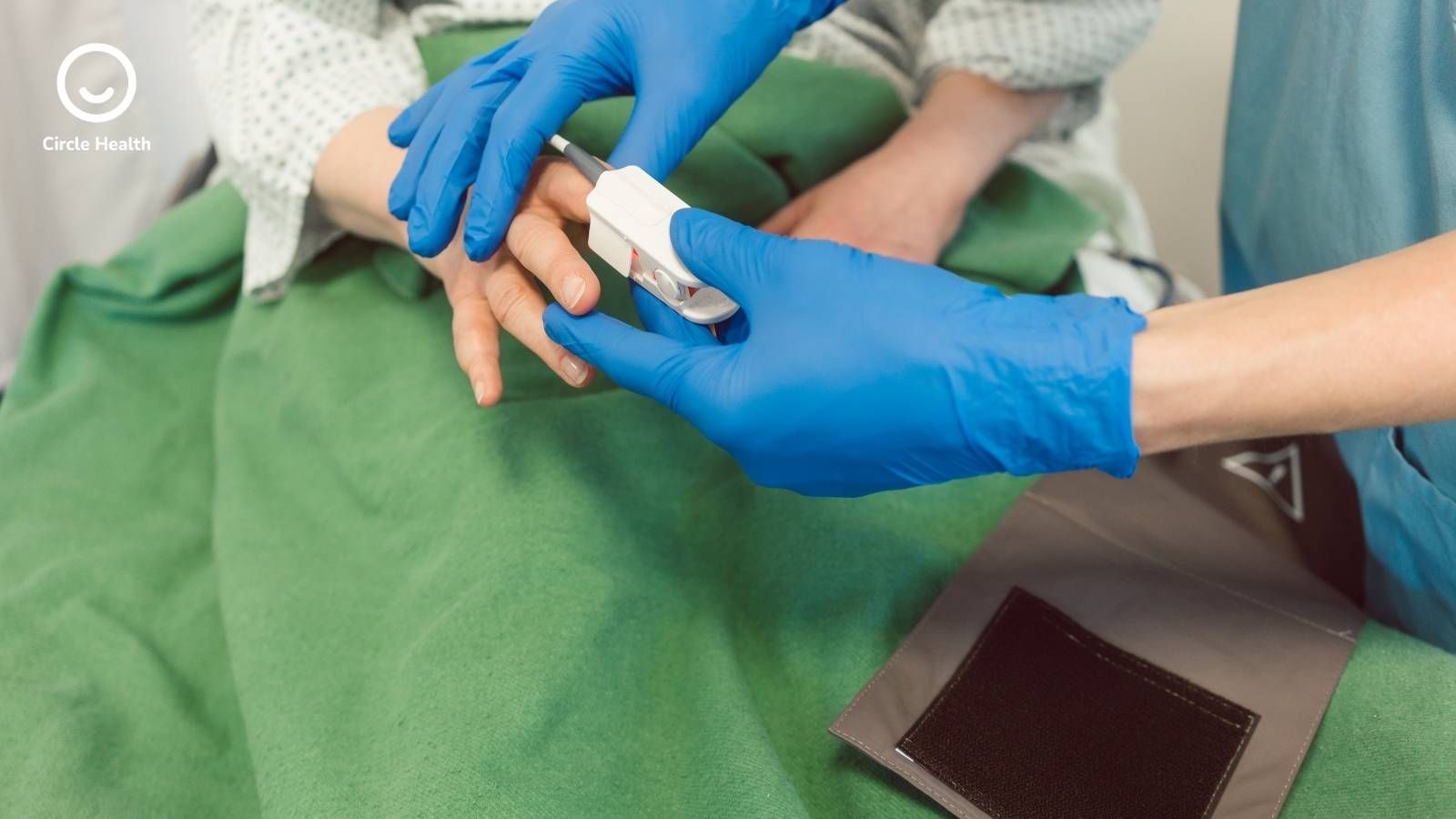
Discover how cellular-connected RPM devices enable automatic data transfer, real-time alerts, and improved remote patient care in 2026.
Remote Patient Monitoring has grown rapidly - but the quality of data a program generates depends almost entirely on whether patients are consistently transmitting readings. And that, more than anything else in 2026, comes down to device connectivity.
Cellular-connected monitoring devices have emerged as the technology that finally closes the adherence gap. No Wi-Fi. No Bluetooth pairing. No app downloads. Just a device that turns on, takes a reading, and transmits it automatically over a cellular network - the same way a mobile phone does.
Why Connectivity Type Determines Program Success
Most RPM programs fail not because of poor clinical design, but because patients stop transmitting data.
The reasons are predictable:
- Bluetooth devices lose pairing after a phone update
- Wi-Fi-dependent hubs go offline when a router changes
- Patients forget to open an app before measuring
- Elderly or low-tech patients find the setup too complex to maintain
Cellular blood pressure monitors transmit readings directly to the RPM platform over a 4G connection - no smartphone, Bluetooth pairing, or Wi-Fi required. This eliminates the most common adherence failure points in elderly or low-tech patient populations.
When a device removes all the friction between the patient and data transmission, adherence rates improve - and consistent data is what makes clinical intervention possible and CMS billing sustainable.
How Cellular RPM Devices Actually Work
The technical workflow behind cellular-connected devices is straightforward:
- The patient presses one button (or the device activates automatically, depending on the device type)
- The device takes the reading - blood pressure, weight, glucose, SpO2, or another vital sign
- The reading transmits automatically over an embedded cellular module (LTE/4G) to the RPM platform's cloud
- The care team's dashboard receives the reading in near real time
- Alert thresholds trigger notifications if readings fall outside the patient's individualized parameters
RPM hardware consists of FDA-cleared medical devices, including blood pressure cuffs, glucometers, pulse oximeters, weight scales, and wearable sensors - devices that autonomously collect vital signs and transmit data without requiring manual intervention or patient technical expertise.
The Devices Driving Cellular RPM in 2026
Not every device category benefits equally from cellular connectivity. The highest-impact use cases are:
Blood pressure monitors: Hypertension is the highest-volume RPM indication. Cellular-enabled BP monitors significantly outperform Bluetooth-only devices in elderly and rural populations - the two demographics most likely to be in a practice's RPM panel. Twice-daily readings over 16+ days a month generate the data density needed for meaningful trend analysis and CMS billing compliance. Circle Health Care's guide to remote blood pressure monitoring devices for home use in 2026 covers device selection criteria, clinical validation requirements, and connectivity considerations in detail.
Weight scales: For heart failure and fluid retention monitoring, daily weight is the earliest detectable signal of decompensation, often days before symptoms appear. Cellular scales eliminate the most common failure point: patients forgetting to sync a Bluetooth device before data is recorded.
Pulse oximeters: Essential for COPD, asthma, and post-COVID monitoring. Continuous or daily SpO2 readings transmitted automatically allow care teams to catch declining oxygen saturation before the patient becomes symptomatic. For a full breakdown of connected health device options by condition, Circle Health Care's guide to best connected health devices for RPM in 2026 covers device classes, FDA clearance requirements, and platform integration criteria.
Glucometers and CGMs: Cellular-enabled glucometers remove the app-pairing step that frequently causes data gaps in diabetes management programs. Continuous glucose monitors (CGMs) go further - transmitting readings every few minutes rather than at discrete measurement intervals.
What Cellular Connectivity Means for CMS Billing
Cellular devices don't just improve adherence - they directly protect billing eligibility.
Under current CMS rules, the key thresholds are:
- CPT 99454 - requires 16+ days of transmitted data in 30 days
- CPT 99445 - new in 2026, covers 2–15 days of transmitted data (important for post-discharge or episodic monitoring)
- CPT 99457 / 99470 - clinical management time, requiring documented patient interaction
The 2026 RPM CPT code updates - including new codes 99445 and 99470 for shorter 2–15 day monitoring windows - give practices more billing flexibility than ever before. But that flexibility only pays off when devices transmit data consistently.
A Bluetooth device that loses pairing on day 8 of the billing month can drop a patient from 99454 to 99445 - or out of billing eligibility entirely if transmission falls below the minimum threshold. Cellular devices eliminate this risk by making transmission independent of any patient-side technology. The CMS Remote Patient Monitoring coverage page details current transmission requirements and documentation standards for all RPM billing codes.
Clinical Impact: From Data to Early Intervention
Consistent cellular transmission doesn't just protect revenue - it changes what's clinically possible.
When a care team has daily readings for every enrolled patient, the program shifts from reactive to proactive:
- Blood pressure trending upward over 5 days triggers an early medication review - before a hypertensive crisis
- Weight gain of 3 lbs in 48 hours for a heart failure patient triggers a same-day call - before fluid overload reaches the ED
- SpO2 declining to 91% over three consecutive days triggers a provider escalation - before dyspnea becomes respiratory distress
Studies show that RPM can significantly improve blood pressure control and lower hospital readmission rates among patients with chronic conditions like hypertension. That clinical benefit is only achievable when the data is actually there, which is what cellular connectivity guarantees in ways Bluetooth-dependent alternatives cannot. Circle Health Care's analysis of how RPM reduces hospital readmissions and improves quality star ratings demonstrates that consistent monitoring translates into measurable improvements in outcomes across chronic disease populations.
Cellular RPM Within a Broader Care Management Strategy
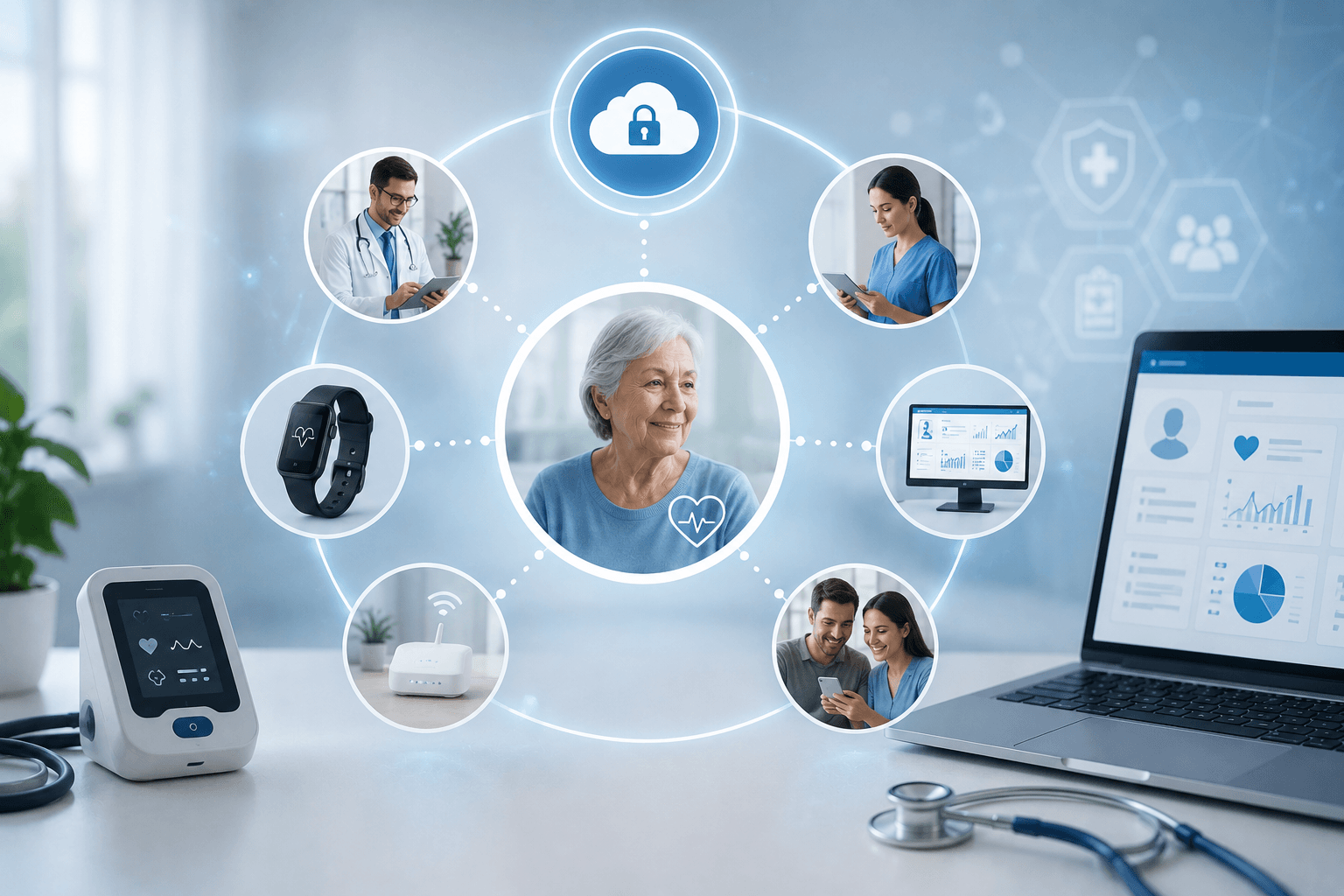
RPM uses connected devices to continuously track physiological data like blood pressure, glucose, and weight - while CCM provides comprehensive care coordination, patient education, and regular human interaction. Together, they create a complete care management program. In a Circle Health Care internal analysis, patients with Stage 2 hypertension enrolled in both RPM and CCM achieved 55% greater blood pressure reduction than those receiving RPM alone.
The data generated by cellular devices feeds directly into combined RPM and CCM programs - giving care managers access to daily vital sign trends during every CCM call, rather than relying on patient recall or periodic office readings.
Conclusion
Cellular-connected devices have resolved the fundamental operational weakness of early RPM programs: patient-side transmission failure. By removing every dependency on smartphones, Wi-Fi, app pairing, and technical setup, cellular devices make consistent monitoring achievable across the patient populations that need it most - elderly, rural, and low-tech.
In 2026, with CMS expanding billing flexibility through new short-duration codes and increasing scrutiny of transmission documentation, the device infrastructure behind an RPM program is a compliance and revenue issue as much as a clinical one. Practices that deploy cellular-connected devices within structured care management programs will consistently outperform those relying on Bluetooth-dependent alternatives - in data quality, billing capture, and patient outcomes alike.
Frequently Asked Questions
Why are cellular RPM devices better for elderly patients than Bluetooth devices?
Bluetooth devices require pairing with a smartphone, maintaining an active app, and staying within range of a paired device. Elderly patients often lose pairing after phone updates or forget app steps. Cellular devices have no patient-side technical requirements—a single button press takes the reading and transmits it automatically.
Does cellular transmission qualify for CMS RPM billing the same way Bluetooth does?
Yes. CMS requires devices to automatically and digitally transmit data, but it does not specify the transmission method. As long as data is transmitted without manual patient entry and meets the applicable day thresholds for each CPT code, it qualifies for billing.
Are cellular RPM devices FDA-cleared?
Yes. Any device used in a reimbursable RPM program must meet the FDA's definition of a medical device. Most cellular RPM devices are Class II medical devices cleared through the FDA's 510(k) process. Practices should verify clearance status in the FDA's medical device database before selecting a vendor.
What happens to billing if a cellular device loses signal for several days?
Poor cellular coverage can create transmission gaps that affect billing eligibility, particularly for CPT 99454, which requires 16 or more days of data. The introduction of CPT 99445 (2–15 days) in 2026 provides a fallback billing option when full-threshold transmission is not achieved.
Can cellular RPM devices be used alongside CCM for the same patient?
Yes. RPM and CCM can be billed concurrently for the same patient during the same calendar month, provided the documented time for each code does not overlap. Combining both programs often delivers better outcomes for chronic disease populations.
What should practices look for when selecting a cellular RPM device vendor?
Practices should evaluate FDA 510(k) clearance, automatic cellular transmission without Wi-Fi or Bluetooth dependency, compatibility with their RPM platform, appropriate device sizing for patients, and a pre-configured, out-of-the-box experience that minimizes patient onboarding challenges.