

Learn how SDOH support helps health systems improve care transitions, reduce readmissions, and enhance outcomes for vulnerable patients.
When a patient leaves the hospital, their clinical care does not stop - it shifts. However, for millions of patients, what happens after discharge is shaped less by their diagnosis and more by where they live, what they can afford, and whether they have someone to help them at home. These are the social determinants of health (SDOH), and they play a powerful role in whether a care transition succeeds or fails.
What Are Social Determinants of Health?
Social determinants of health are the non-clinical conditions that influence a person's health outcomes. The Office of Disease Prevention and Health Promotion defines SDOH across five key domains - economic stability, education access, health care access, neighborhood environment, and social context.
In the context of care transitions, these factors directly affect whether a patient:
- Fills their prescribed medications after discharge
- Attends follow-up appointments with their physician
- Maintains a diet consistent with their care plan
- Has reliable transportation to access outpatient services
- Lives in a safe, stable environment that supports recovery
When any one of these factors is missing, the risk of clinical deterioration and hospital readmission rises significantly. Therefore, health systems that ignore SDOH during care transitions are addressing only half the problem.
Why Care Transitions Are High-Risk Moments
Care transitions, particularly hospital-to-home and hospital-to-SNF discharges, are among the most vulnerable points in the care continuum. Patients are often discharged with new medications, changed routines, and complex instructions they may not fully understand.
Research consistently shows that a significant portion of 30-day readmissions are preventable. Many of them trace back not to clinical failure but to social failure, such as a patient who could not afford their medication, had no caregiver at home, or missed a follow-up appointment because they lacked transportation.
Transitional care management best practices address the clinical side of this handoff, structured communication, medication reconciliation, and timely follow-up. However, without layering in SDOH screening and support, even the best clinical transition protocols leave critical gaps unaddressed.
How SDOH Screening Fits Into Transition Workflows
Effective SDOH integration begins before discharge - not after. Clinical teams should screen patients for social risk factors as part of the discharge planning process, using validated tools such as the PRAPARE assessment or the Accountable Health Communities Health-Related Social Needs screening tool.
Key SDOH screening questions address:
- Food security - does the patient have reliable access to nutritious meals?
- Housing stability - is the patient returning to safe, stable housing?
- Transportation - can the patient reach follow-up appointments independently?
- Social isolation - does the patient have a caregiver or support network at home?
- Financial strain - can the patient afford medications and medical supplies?
Screening alone is not enough. Health systems must connect positive findings to actionable community resources - food assistance programs, housing support services, transportation coordination, and social work referrals. This is where a structured, repeatable workflow makes all the difference.
The Role of Care Management in SDOH Support
Care management programs provide the infrastructure to act on SDOH findings consistently and at scale. Chronic Care Management (CCM) programs, for example, include dedicated care planning time that allows care coordinators to document social risk factors and connect patients to relevant community services - all within a billable, CMS-recognized framework.
For patients with a single complex condition, Principal Care Management (PCM) offers a more focused pathway. PCM supports high-touch coordination for patients whose social and clinical needs intersect around one primary diagnosis - such as heart failure complicated by food insecurity or COPD worsened by poor housing conditions.
Remote Monitoring as a Bridge Across Social Gaps
For patients with limited access to in-person follow-up care, remote patient monitoring (RPM) serves as a critical bridge. RPM enables health systems to track patient vitals continuously after discharge - regardless of whether the patient can physically reach a clinic.
This matters enormously for patients facing transportation barriers, those in rural areas, or those managing caregiving responsibilities that prevent them from attending regular office visits. In addition, RPM creates a digital touchpoint that keeps care teams informed and responsive even when in-person access is limited.
Chronic disease management through remote patient monitoring is particularly effective for post-discharge patients managing hypertension, heart failure, or diabetes - conditions where early deterioration is detectable through vital sign trends long before a crisis develops.
Integrating Behavioral Health Into SDOH-Informed Transitions
Social challenges rarely exist in isolation. Patients facing housing instability, financial stress, or social isolation are also at significantly higher risk for depression, anxiety, and substance use - all of which worsen chronic disease outcomes and increase readmission risk.
Health systems that integrate behavioral health into their transition workflows address this reality directly. A health-integrated behavioral health model of care brings mental health support into the primary care and care management setting - removing the barrier of a separate referral that many socially vulnerable patients never follow through on.
Measuring SDOH Impact on Transition Outcomes
Health systems cannot improve what they do not measure. Tracking SDOH-related outcomes alongside clinical metrics gives care teams a fuller picture of what drives readmissions and what interventions are working.
Useful metrics to track include:
- 30-day and 90-day readmission rates stratified by SDOH risk score
- Rates of successful follow-up appointment attendance post-discharge
- Medication adherence rates among high-SDOH-risk patients
- Referral completion rates for community resource connections
- Patient-reported outcomes on food security, housing, and social support
Value-based care models increasingly tie reimbursement to these broader outcome measures. Therefore, health systems that embed SDOH tracking into their transition workflows are not just delivering better care - they are positioning themselves competitively in a shifting payment landscape.
SDOH Support Is Whole-Person Care in Practice
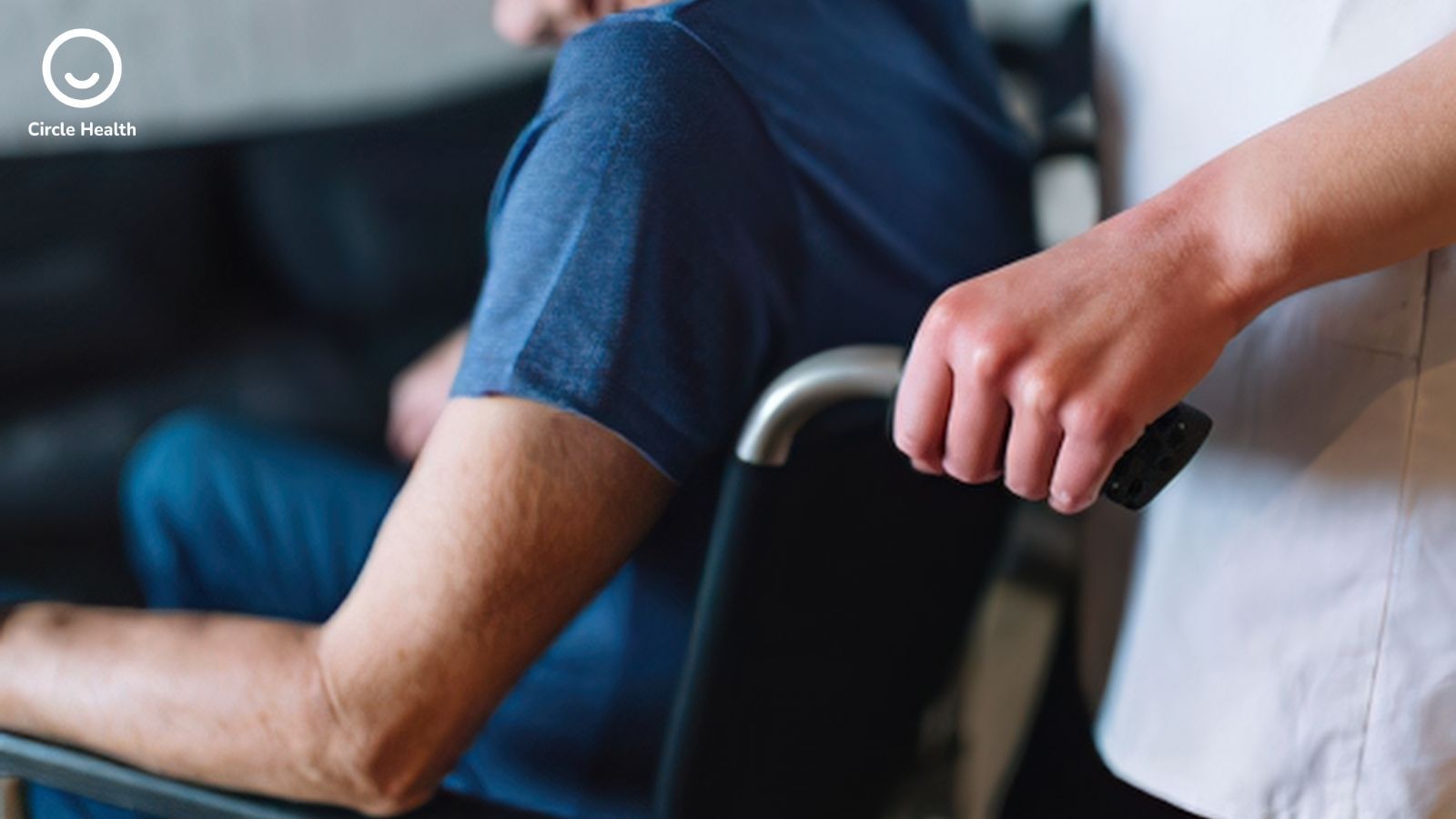
The gap between a successful care transition and a preventable readmission is often not clinical - it is social. Patients who face food insecurity, transportation barriers, housing instability, or social isolation are at far greater risk of falling through the cracks after discharge.
Health systems that build SDOH screening, care management, remote monitoring, and behavioral health support into their transition workflows close that gap. Ultimately, addressing social determinants of health is not a separate initiative from clinical care - it is the most complete expression of it.
Conclusion
Improving care transitions requires addressing both clinical and social factors that impact recovery. Social determinants of health often determine whether patients can follow post-discharge plans. By integrating SDOH screening, care management, and remote monitoring, health systems can reduce readmissions and improve outcomes. Ultimately, focusing on whole-person care ensures smoother transitions, better patient engagement, and stronger performance in value-based care models.
Frequently Asked Questions
1. What are social determinants of health, and why do they matter for care transitions?
SDOH are non-clinical factors - like housing, income, food access, and transportation - that significantly shape a patient's ability to recover after discharge. When these needs go unaddressed during care transitions, patients are far more likely to deteriorate and return to the hospital within 30 days.
2. When should SDOH screening happen during the care transition process?
Screening should happen before discharge - ideally during discharge planning - so care teams can connect patients to community resources before they leave the hospital. Waiting until after discharge means social barriers are already affecting recovery before anyone intervenes.
3. How do care management programs support SDOH integration?
Programs like CCM and PCM provide structured, billable frameworks where care coordinators can document social risk factors, build individualized care plans, and connect patients to food, housing, and transportation resources as part of ongoing care management - not just a one-time conversation.
4. Can remote patient monitoring help patients with transportation or access barriers?
Yes. RPM allows health systems to monitor patient vitals continuously after discharge without requiring in-person visits. For patients in rural areas or those without reliable transportation, RPM creates a consistent clinical touchpoint that supports early intervention and reduces the risk of undetected deterioration.
5. How does addressing SDOH connect to value-based care performance?
Value-based care models increasingly measure health systems on readmission rates, patient outcomes, and population health metrics - all of which SDOH directly influences. Health systems that systematically address social needs during care transitions tend to perform better on these measures and qualify for stronger reimbursement incentives.