
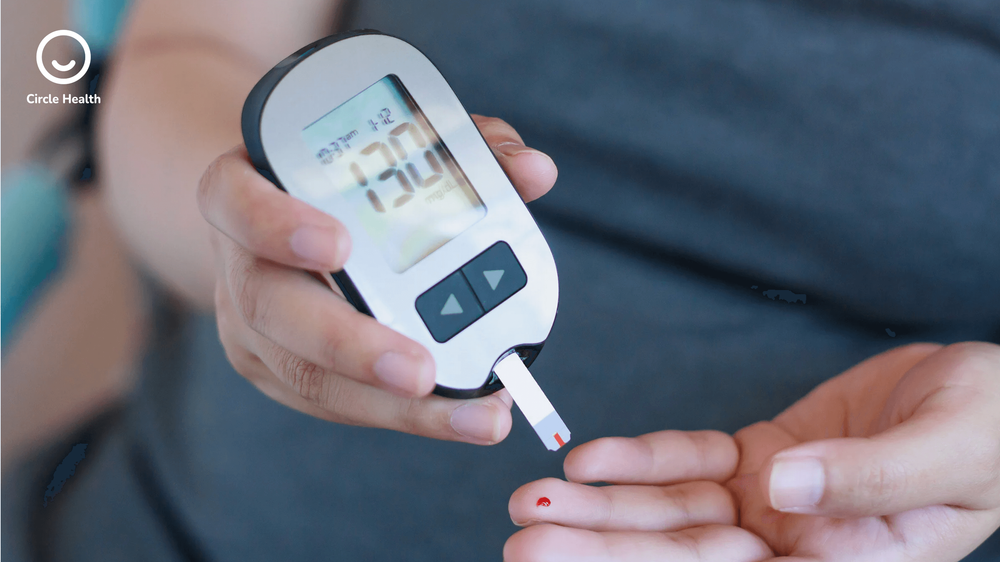
Discover how remote patient monitoring for diabetes is revolutionizing chronic care. Learn how real-time glucose tracking improves outcomes, enhances patient engagement, and enables proactive treatment.
Introduction
For years, diabetes management has followed a predictable pattern: medications, diet changes, and quarterly doctor visits. Yet despite these conventional approaches, diabetes typically worsens over time in most patients. What if there was a better way? Remote Patient Monitoring (RPM) programs are reshaping how we manage diabetes by bringing continuous support directly into patients' homes.
HealthSnap's innovative RPM program demonstrates that when daily glucose monitoring combines with proactive clinical care, patients experience meaningful, sustained improvements—even those who have struggled with diabetes for years.
What is Remote Patient Monitoring?
Remote Patient Monitoring is a digital healthcare delivery model that uses technology to track patient health metrics outside traditional clinical settings. For diabetes management, RPM programs typically include:
- Cellular-enabled glucometers for daily fasting blood glucose tracking
- Real-time data transmission to healthcare providers
- Licensed clinical care navigators monitoring readings continuously
- Proactive interventions when concerning trends appear
- Monthly care goal reviews and lifestyle reinforcement
Unlike passive monitoring systems, RPM programs emphasize active engagement. When a patient's glucose reading raises concerns, a care navigator reaches out immediately—not after a scheduled appointment weeks later.
The HealthSnap Model: A New Approach to Diabetes Care
Program Structure
HealthSnap's RPM program targets a specific patient population: those with established diabetes who have been treated conventionally for at least one year. These are not newly diagnosed patients or those just beginning therapy.
The program operates on a simple principle: consistent daily monitoring combined with expert human oversight. Patients use a cellular glucometer to track fasting blood glucose each morning. These readings flow directly to a monitoring platform where licensed clinical care navigators review them in real time.
When readings show concerning trends, navigators don't wait. They contact patients immediately to discuss what might be driving the change—stress, diet, activity level, or medication adherence. Monthly, navigators conduct deeper reviews, discussing broader care goals and reinforcing evidence-based lifestyle strategies.
Importantly, the program doesn't require starting new medications. While some participants may adjust existing medications during the program, none began new treatment at enrollment, making the results particularly meaningful.
The Clinical Results: A Clear Picture of Success
Key Findings from 955 Patients
HealthSnap analyzed outcomes from 955 patients who remained in the program for at least 90 days and started with fasting glucose levels above 125 mg/dL:
Long-Term Sustained Improvements
Even more striking, among over 1,000 patients who transmitted glucose readings consistently for a year, improvements continued month after month. This reveals a critical dose-response relationship:
Patients on the program for over 800 days—more than two years—experienced the greatest and most sustained reductions in fasting glucose. This pattern stands in stark contrast to traditional diabetes care, where the disease typically worsens over time.
Why These Results Matter: Real-World Clinical Impact
A 28-31 mg/dL reduction in fasting glucose isn't just a number on a lab report. This improvement translates directly into:
Lower A1c Levels: Reduced fasting glucose correlates with improved overall glycemic control, reflected in lower A1c measurements over time.
Reduced Microvascular Complications: Sustained glucose control decreases the risk of kidney disease, diabetic retinopathy (blindness), and diabetic neuropathy.
Prevention of Amputations: Better glucose management reduces the risk of diabetic foot complications and limb amputations.
Healthcare System ROI: Preventing complications means fewer hospitalizations, emergency department visits, and expensive interventions. For healthcare organizations, this represents both clinical and financial value.
How RPM Works: The Technology and Human Element
The Technology
The cellular glucometer serves as the foundation. Unlike traditional home glucose monitors requiring manual uploads, cellular glucometers automatically transmit readings to the RPM platform in real time. This means:
- No missed data points
- Immediate visibility into glucose patterns
- Automated alerts when readings fall outside target ranges
- Comprehensive historical data for trend analysis
The Human Element
Technology alone doesn't drive these results. The licensed clinical care navigator is essential. These professionals:
- Review readings daily
- Identify patterns and trends
- Contact patients proactively when concerns arise
- Provide education on lifestyle modifications
- Coordinate with primary care physicians
- Celebrate successes and encourage persistence
This combination—reliable technology meeting expert human judgment—creates an environment where patients feel supported and monitored, not just tracked.
Why RPM Succeeds Where Traditional Care Falls Short
The Problem with Standard Diabetes Management

Traditional diabetes care typically follows a quarterly or semi-annual visit schedule. Between appointments, patients are largely on their own. If glucose control worsens, the problem often goes undetected until the next office visit—sometimes months later.
The RPM Advantage
RPM addresses this gap through continuous monitoring and rapid response:
- Real-Time Visibility: Problems are detected immediately, not months later
- Proactive Intervention: Care navigators reach out before crises develop
- Behavioral Support: Regular contact reinforces lifestyle changes and medication adherence
- Data-Driven Care: Decisions are based on actual glucose patterns, not patient recall
- Sustained Engagement: Monthly reviews keep patients focused on their diabetes management goals
The Significance: Traditional Care Doesn't Do This
In conventional diabetes management, improvements typically plateau or decline over time. Patients often require escalating doses of medications or additional agents to maintain glycemic control.
The HealthSnap data challenge this paradigm. Patients improve and continue improving as they age—the opposite of typical disease progression. This suggests that the combination of monitoring and behavioral intervention addresses underlying factors that traditional medication-focused care misses.
Frequently Asked Questions About RPM for Diabetes
Q: Is RPM suitable for all diabetes patients? A: RPM works best for patients with established diabetes, particularly those struggling with glucose control despite conventional treatment. Newly diagnosed patients or those with well-controlled diabetes may not need RPM initially.
Q: Do patients need to start new medications? A: No. While existing medications may be adjusted, the HealthSnap program achieves results without initiating new treatments, suggesting lifestyle and behavioral factors play a major role.
Q: How long does it take to see results? A: Meaningful improvements appear within the first 90 days. However, greater results emerge over 12+ months as patients adopt sustained lifestyle changes.
Q: Will insurance cover RPM? A: Many insurance plans cover RPM programs, particularly for Medicare beneficiaries. Coverage varies by plan, so patients should check with their insurance provider.
Q: What happens if glucose readings are dangerously high or low? A: Licensed care navigators monitor for emergency situations and contact patients immediately. For truly critical readings, appropriate emergency protocols are triggered.
Q: Can I stop RPM once my glucose improves? A: Program continuation should be discussed with healthcare providers. However, data suggests sustained participation yields continued benefits.
Conclusion: The Future of Diabetes Management
Remote Patient Monitoring represents a fundamental shift in chronic disease management. By combining continuous glucose monitoring with proactive clinical support, RPM enables meaningful, durable improvements in diabetes outcomes.
HealthSnap's data from 955+ patients clearly demonstrate that when daily monitoring meets coordinated care, patients improve—reversing the typical progression of diabetes. These results aren't achieved through new medications or complex interventions, but through consistent support and evidence-based lifestyle management.
As healthcare systems increasingly move toward value-based care, RPM programs offer a scalable, proven model for achieving better outcomes while potentially reducing overall healthcare costs. For patients who have struggled with diabetes management despite conventional treatment, RPM offers real hope: not just controlling disease, but genuinely improving it.