
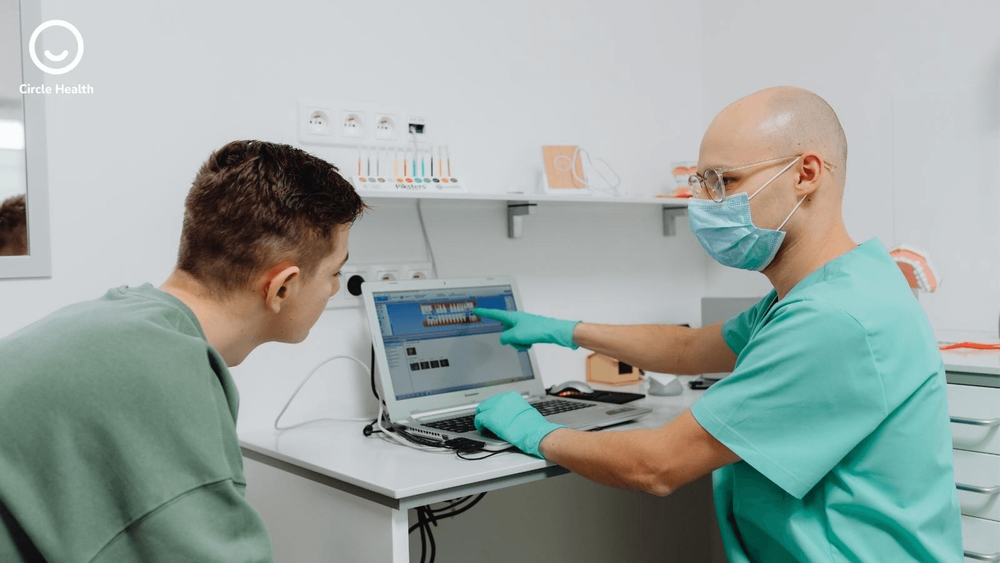
Discover what remote monitoring of patients is, how it works, and its benefits for healthcare. Learn about RPM technology, Medicare coverage, and implementation strategies.
Understanding Remote Patient Monitoring
Remote monitoring of patients transforms how healthcare providers deliver care beyond traditional clinical settings. This technology enables continuous tracking of patient health data from home.
Remote patient monitoring (RPM) uses digital devices to collect medical data from patients in one location. Healthcare professionals then review this information electronically from another location. Moreover, this approach enhances care quality while reducing the need for in-person visits.
How Does Remote Patient Monitoring Work?
The RPM process involves several coordinated steps that create a seamless care delivery system.
The RPM Workflow:
Device Setup and Patient Enrollment
- Healthcare providers assess patient eligibility and clinical needs
- Patients receive FDA-approved monitoring devices tailored to their conditions
- Care teams provide training on device usage and data transmission
Continuous Data Collection
- Devices automatically measure vital signs and health parameters
- Information transmits securely to monitoring platforms without manual entry
Professional Monitoring and Intervention
- Healthcare teams review transmitted data regularly
- Providers identify potential concerns through pattern analysis
- Care teams contact patients when concerning trends appear
- Early intervention prevents complications before they escalate
The CMS remote patient monitoring guidelines establish clear protocols for implementation and billing. Therefore, healthcare organizations must follow these standards to ensure proper reimbursement and patient safety.
Is Remote Patient Monitoring Considered Telehealth?
Remote patient monitoring represents a specific subset of telehealth services. While telehealth encompasses various virtual care methods, RPM focuses specifically on continuous data collection and monitoring.
The Centers for Medicare & Medicaid Services distinguishes RPM from other telehealth services in their billing codes. Understanding remote patient monitoring and virtual care integration helps providers maximize their telehealth capabilities effectively.
Key Benefits of Remote Patient Monitoring
RPM delivers significant advantages for patients, providers, and healthcare systems alike.
Benefits for Patients:
- Greater convenience through home-based monitoring
- Reduced travel time and transportation costs
- Enhanced peace of mind through continuous oversight
- Better medication adherence and self-management
- Enables elderly patients to age in place safely
Benefits for Healthcare Providers:
- Early detection of complications and deterioration
- Improved patient outcomes and satisfaction scores
- Enhanced care coordination across specialties
- Increased practice efficiency and revenue opportunities
Benefits for Healthcare Systems:
- Lower hospital readmission rates and emergency visits
- Reduced overall healthcare costs
- Support for value-based care initiatives
Remote patient monitoring benefits extend beyond clinical outcomes to include cost savings and enhanced patient engagement. Furthermore, RPM platforms designed for seniors prioritize user-friendly interfaces and simplified device operation.
Does Medicare Cover Remote Patient Monitoring?
Medicare provides coverage for RPM services under specific conditions and billing codes.
Medicare Coverage Requirements:
- Patient must have chronic condition requiring ongoing monitoring
- Minimum 16 days of physiological data collection monthly
- Medical necessity documented in patient records
- Proper consent obtained before service initiation
What Medicare Covers:
- Initial device setup and patient education
- Monthly device supply and data transmission
- Healthcare professional time for data review
- Treatment management and care plan adjustments
Understanding Medicare RPM coverage and reimbursement ensures healthcare organizations maximize their program revenue while maintaining compliance.
Remote Patient Monitoring Technology and Devices
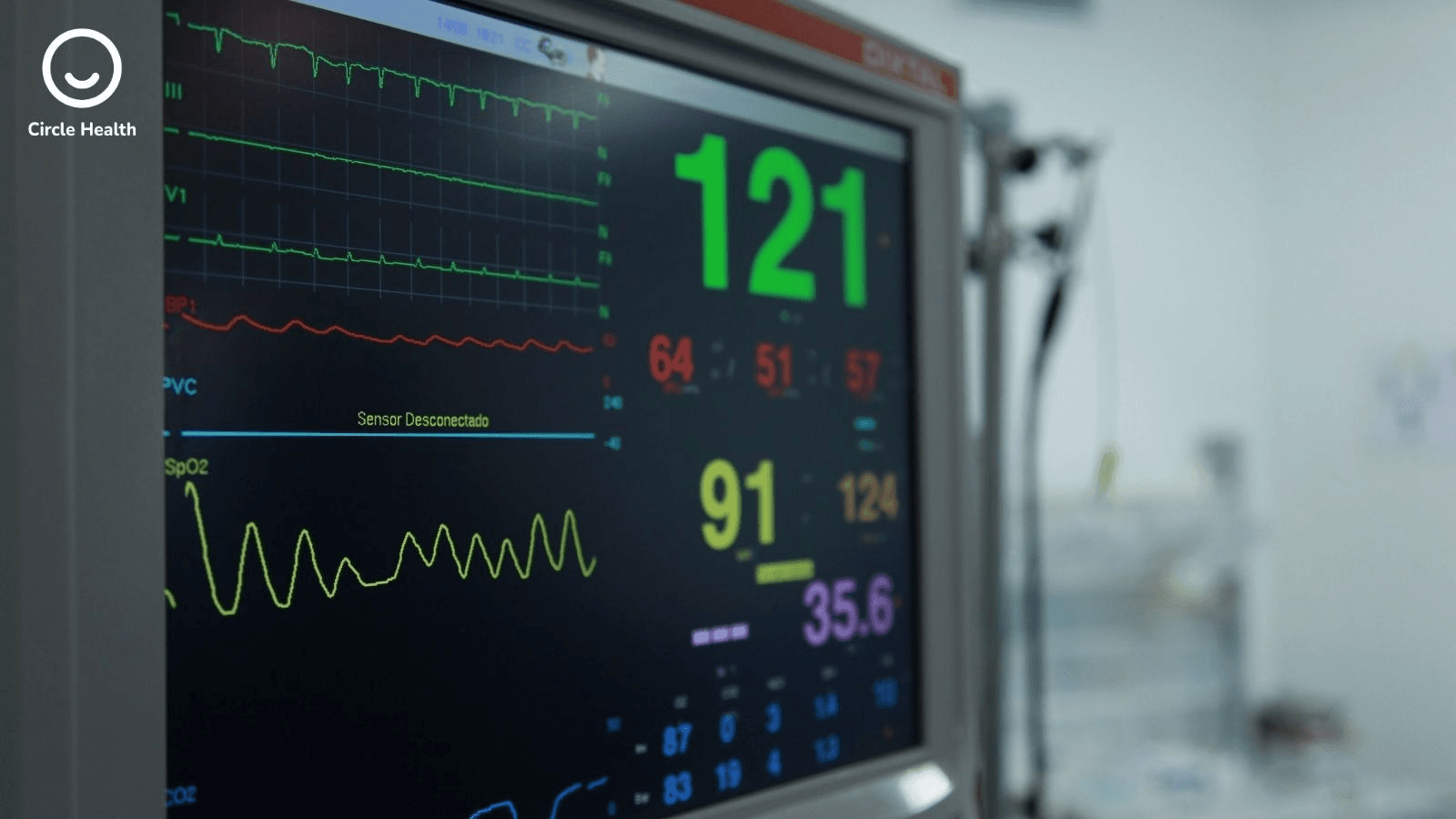
Modern RPM devices measure various health parameters including blood pressure, glucose levels, and heart rate. These FDA-approved medical devices automatically sync with monitoring platforms without manual data entry.
Common RPM Devices:
- Blood Pressure Monitors: Track hypertension and cardiovascular health
- Glucose Meters: Monitor diabetes management and insulin needs
- Pulse Oximeters: Measure oxygen saturation for respiratory conditions
- Weight Scales: Detect fluid retention in heart failure patients
- ECG Monitors: Track heart rhythm abnormalities
RPM devices for hypertension and diabetes management represent the most commonly deployed monitoring solutions in Medicare populations.
Who Qualifies for Remote Patient Monitoring?
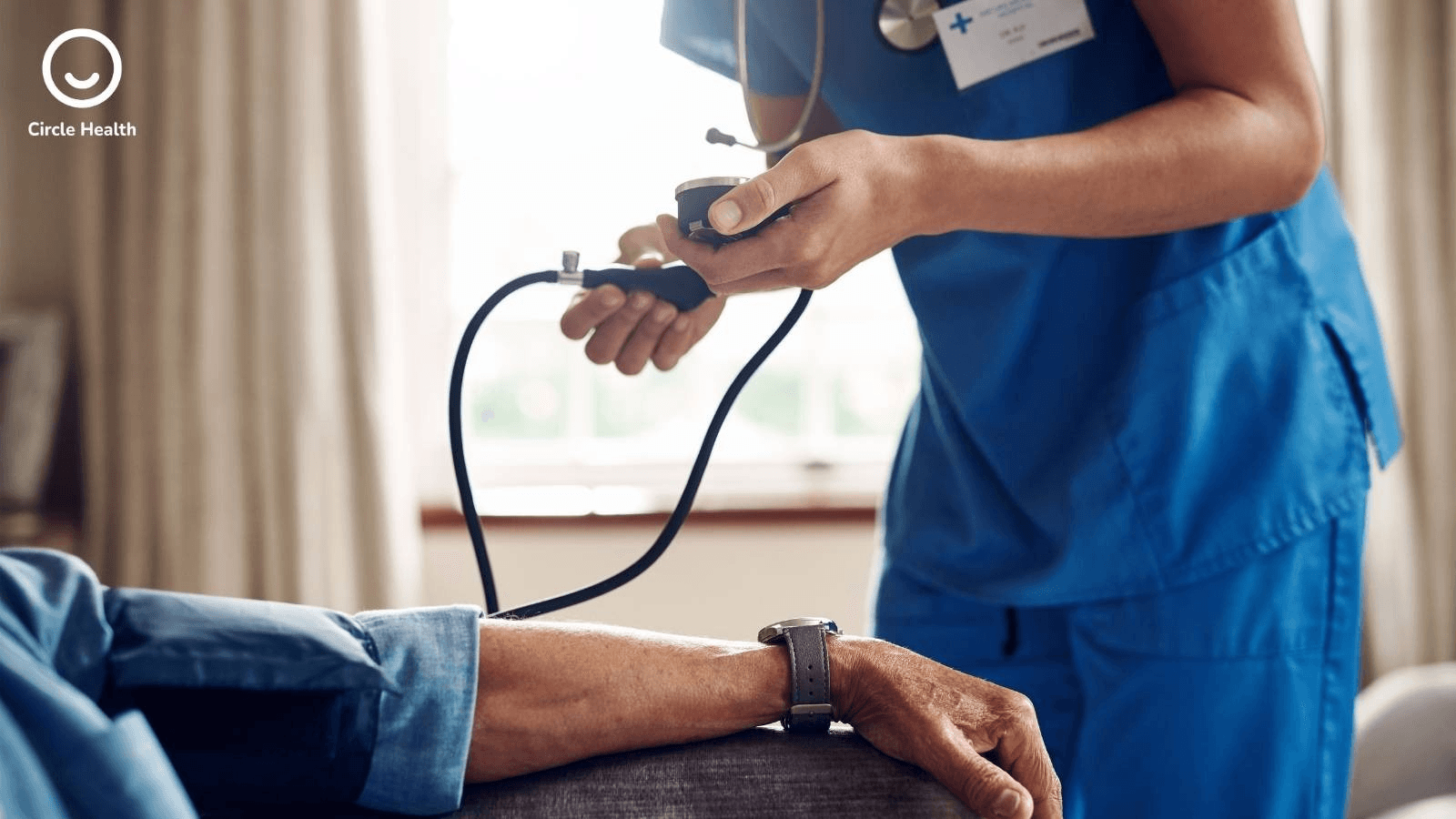
Patients with chronic conditions benefit most from continuous remote monitoring capabilities.
Qualifying Chronic Conditions:
- Cardiovascular: Heart failure, hypertension, arrhythmias
- Metabolic: Diabetes (Type 1 and 2), obesity
- Respiratory: COPD, asthma, sleep apnea
- Other: Chronic kidney disease, Parkinson's disease
Patient Requirements:
- Two or more chronic conditions (Medicare beneficiaries)
- Access to reliable internet connectivity or cellular service
- Basic technology literacy for device operation
- Willingness to engage with monitoring technology regularly
Healthcare providers determine eligibility based on clinical needs and potential for improved outcomes.
Billing and Reimbursement for RPM Services
Healthcare providers use specific RPM CPT codes to bill for monitoring services accurately.
Primary RPM Billing Codes:
- CPT 99453: Initial device setup and patient education (one-time)
- CPT 99454: Device supply with daily recording/transmission (monthly)
- CPT 99457: First 20 minutes of clinical staff monitoring time (monthly)
- CPT 99458: Additional 20 minutes of monitoring time (add-on code)
Documentation Requirements:
- Medical necessity justification in patient records
- Minimum 16 days of data transmission monthly
- Time tracking for all monitoring activities
- Patient consent documentation
Understanding how to bill for remote patient monitoring ensures proper reimbursement while maintaining compliance with evolving CMS regulations.
Challenges and Disadvantages of RPM
Despite significant benefits, remote patient monitoring faces several implementation challenges.
Common Challenges:
- Limited digital literacy among elderly patients
- Unreliable internet connectivity in rural areas
- HIPAA compliance and cybersecurity requirements
- Staff training requirements for new workflows
- Initial investment in devices and platforms
Healthcare organizations must invest in technical infrastructure for successful program implementation. However, these challenges diminish as teams gain experience with RPM workflows.
Implementing Remote Patient Monitoring Programs
Successful RPM implementation requires careful planning and stakeholder engagement from the outset.
Key Implementation Steps:
Planning and Technology Selection
- Evaluate patient population and identify high-risk candidates
- Research RPM platform vendors and ensure EHR compatibility
- Verify HIPAA compliance and security standards
Staff Training and Patient Enrollment
- Train clinical staff on device operation and data interpretation
- Establish protocols for data review and patient outreach
- Provide comprehensive device training to enrolled patients
Best practices for RPM implementation include starting with pilot programs before organization-wide deployment.
The Future of Remote Patient Monitoring
RPM technology continues evolving with artificial intelligence and machine learning integration. The future of value-based care increasingly relies on continuous monitoring to improve outcomes while controlling costs.
Conclusion
Remote monitoring of patients revolutionizes healthcare delivery through continuous data collection and proactive intervention. This technology improves outcomes, enhances patient satisfaction, and reduces healthcare costs simultaneously.
Understanding how RPM works, who qualifies, and how to implement programs successfully enables healthcare organizations to leverage this powerful tool. As technology advances and regulations evolve, remote patient monitoring will become increasingly integral to modern healthcare systems.