
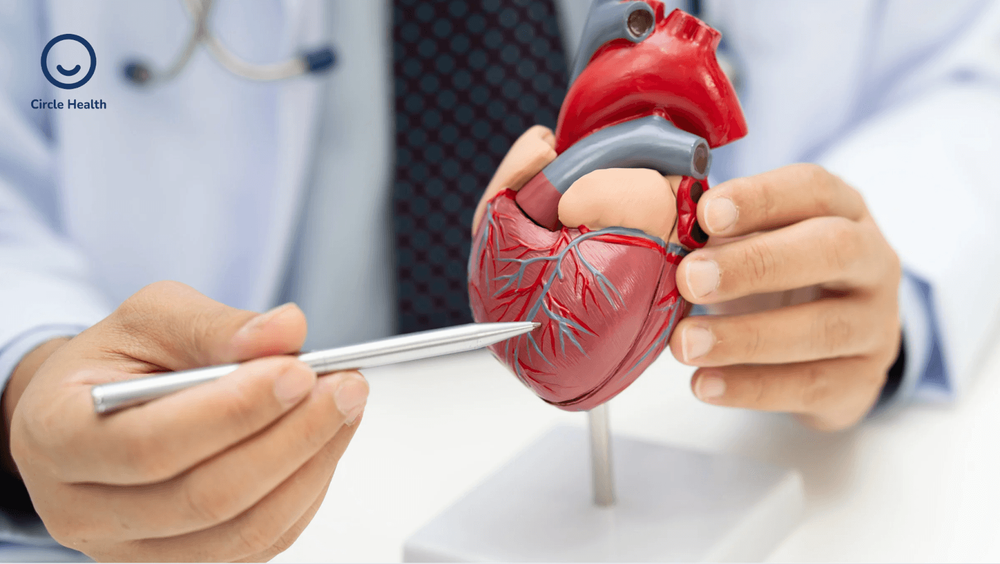
Learn how Principal Care Management is transforming cardiology care with personalized treatment plans, continuous monitoring, and proactive, specialist-driven patient support.
The landscape of cardiovascular disease management is experiencing a transformative shift through Principal Care Management (PCM), a specialized approach that addresses the complexities of chronic heart conditions with precision and personalization.
For healthcare providers seeking to deliver exceptional outcomes while optimizing practice efficiency, PCM represents a breakthrough in how we approach cardiology care.
At CircleHealth, we understand that managing chronic cardiovascular conditions requires more than periodic check-ins and standard treatment protocols. PCM offers a sophisticated framework that focuses intensively on patients with single high-risk chronic conditions, delivering specialized care management tailored to individual patient needs. This is particularly valuable for complex cardiovascular diseases including hypertension, congestive heart failure, and atrial fibrillation.
Understanding Principal Care Management in Cardiology
Principal Care Management distinguishes itself from traditional care models by concentrating resources and attention on patients with one serious chronic condition that dominates their health status. This focused approach allows healthcare teams to develop deep expertise in managing specific conditions while providing the intensity of care these patients require.
The model combines personalized treatment plans, continuous monitoring, patient education, and coordinated multidisciplinary care. For cardiology practices, this means transforming reactive care into proactive management that anticipates problems before they escalate into emergencies.
Managing Hypertension Through PCM
Hypertension affects millions of Americans and serves as a gateway condition to more serious cardiovascular events including stroke, heart attack, and heart failure. Effective blood pressure management is critical, yet many patients struggle with adherence and lifestyle modifications necessary for control.
Personalized Treatment Strategies
CircleHealth's approach to hypertension management within the PCM framework begins with complete individualized care plans. These plans account for each patient's unique medical history, lifestyle factors, and coexisting health conditions. Treatment personalization ensures that every intervention, whether medication, lifestyle modification, or monitoring protocol, aligns with the patient's specific circumstances.
The care plan typically encompasses dietary recommendations emphasizing the DASH (Dietary Approaches to Stop Hypertension) protocol, which focuses on sodium reduction and increased consumption of fruits, vegetables, and whole grains. Physical activity prescriptions, smoking cessation support, and stress management techniques form additional pillars of the complete approach.
Medication management receives particular attention, with regular reviews and adjustments ensuring optimal blood pressure control. This dynamic approach recognizes that hypertension management is not static, it requires ongoing refinement as patients' conditions evolve.
Continuous Monitoring and Early Intervention
One of PCM's most powerful features is the integration of continuous monitoring capabilities. Remote Patient Monitoring devices provide near real-time blood pressure data to healthcare providers, creating opportunities for timely interventions that prevent complications.
This continuous data stream allows CircleHealth providers to detect blood pressure fluctuations quickly, including ambulatory patterns that might be missed during office visits. Early detection enables prompt medication adjustments or lifestyle counseling before readings escalate to dangerous levels.
The monitoring approach prevents the serious complications of uncontrolled hypertension, stroke, heart attack, and kidney damage, by maintaining consistent blood pressure control rather than relying on periodic snapshots.
Patient Education and Empowerment
Informed patients become active participants in their own care, dramatically improving outcomes. PCM prioritizes patient education, helping individuals understand the causes and consequences of hypertension while building the knowledge necessary for successful self-management.
Educational components address medication adherence, emphasizing the importance of taking prescriptions as directed and recognizing potential side effects. Patients learn to make healthy lifestyle choices, understanding how dietary patterns, exercise habits, alcohol consumption, and smoking affect their blood pressure.
Interactive communication tools including mobile applications and online portals provide patients with resources, medication reminders, appointment alerts, and direct communication channels with their healthcare team. This connectivity keeps patients engaged between appointments and reduces feelings of isolation in managing their condition.
Congestive Heart Failure Management
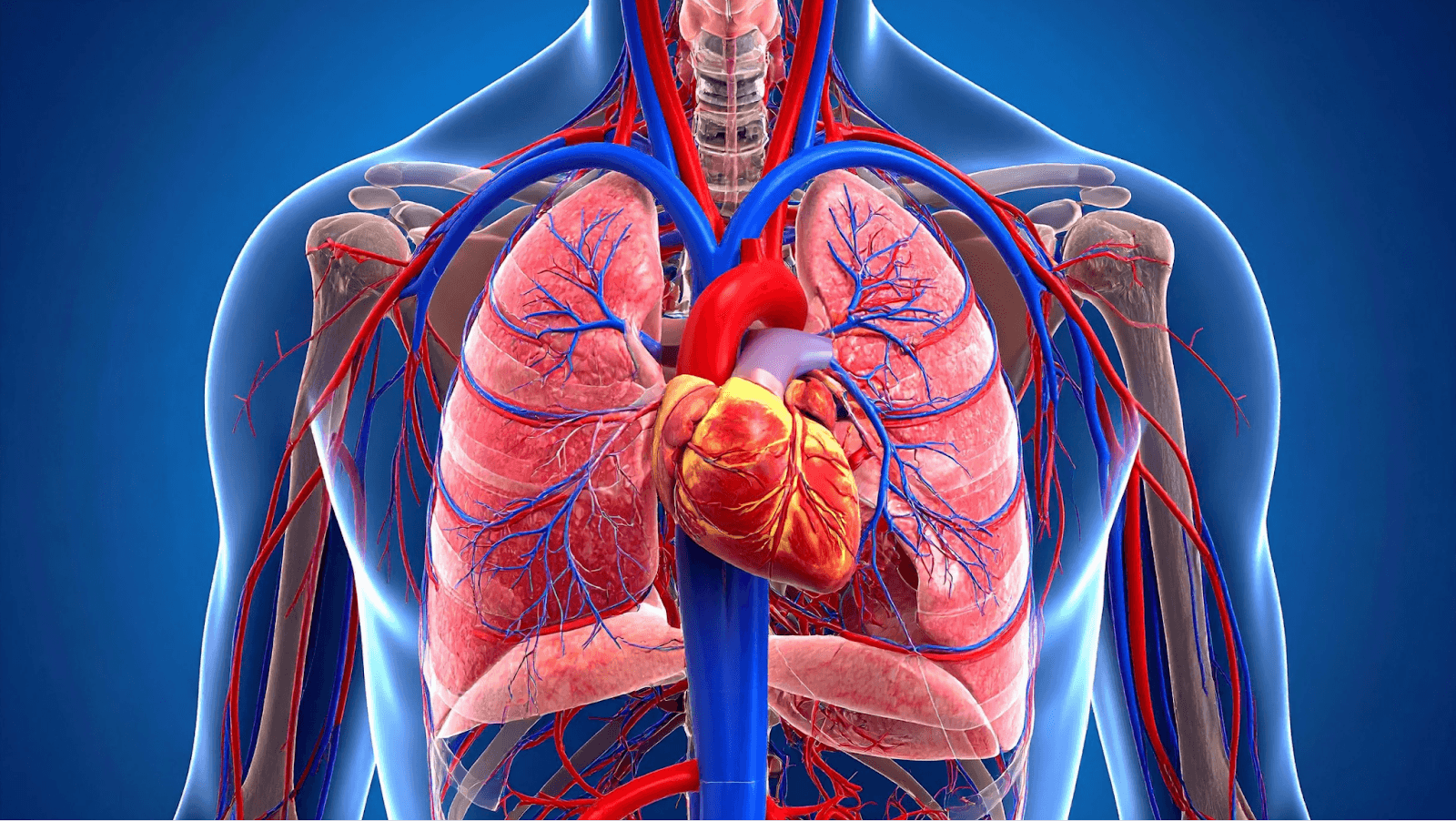
Congestive heart failure (CHF) represents one of the most challenging chronic cardiovascular conditions, requiring intensive, multifaceted management to slow progression and maintain quality of life. The heart's compromised pumping ability demands careful attention to both medical and lifestyle factors.
Complete Monitoring and Early Detection
- Continuous remote monitoring supports early detection and proactive care.
- Key monitoring parameters include:
- Daily weight to identify early fluid retention
- Blood pressure and heart rate to assess cardiovascular status and medication impact
- Oxygen saturation to ensure adequate oxygen levels
- Daily weight to identify early fluid retention
- Near real-time monitoring alerts providers to concerning trends before escalation.
Coordinated Multidisciplinary Care
- CHF care is delivered by a diverse team:
- Cardiologists, PCPs, nurses, dietitians, and other specialists
- Cardiologists, PCPs, nurses, dietitians, and other specialists
- Integrated care platforms provide:
- Shared access to updated patient data
- Seamless communication across the care team
- Shared access to updated patient data
- Regular case conferences enable collaborative decision-making and timely care plan adjustments.
- This coordinated approach:
- Reduces hospital readmissions
- Enables proactive issue management via continuous monitoring and follow-ups
- Reduces hospital readmissions
Atrial Fibrillation Management
Atrial fibrillation (AFib), characterized by irregular and often rapid heartbeats, requires careful management to prevent serious complications including stroke. The condition's variable presentation, paroxysmal, persistent, or permanent, demands flexible, personalized treatment strategies.
Individualized AFib Treatment
CircleHealth's PCM approach to AFib begins with care plans addressing each patient's specific type of atrial fibrillation, comorbid conditions, lifestyle factors, and treatment preferences. The medical management typically includes anticoagulation therapy with blood thinners to reduce stroke risk, medications for rate or rhythm control such as beta-blockers or antiarrhythmics, and consideration of procedural interventions like catheter ablation for patients who don't respond adequately to medications.
Lifestyle modifications play a crucial role in AFib management. Patients receive guidance on heart-healthy dietary patterns, weight management, and appropriate physical activity levels. Many patients discover that alcohol and caffeine trigger AFib episodes, making moderation or avoidance important. Stress management techniques including mindfulness and relaxation exercises help reduce episode frequency.
Continuous Rhythm Monitoring
Remote Patient Monitoring proves particularly valuable for AFib patients, enabling continuous tracking of heart rate and rhythm to detect irregular heartbeats in near real-time. This ongoing surveillance allows for early intervention when problems arise.
Monitoring includes regular heart rate and rhythm assessment to detect irregularities and evaluate medication effectiveness, blood pressure tracking to keep readings within target ranges, and symptom logging where patients record palpitations, dizziness, or shortness of breath to inform treatment decisions.
Crisis Management and Timely Intervention
The continuous monitoring inherent in PCM allows for early detection of warning signs, enabling timely interventions that prevent symptom escalation. CircleHealth provides patients with detailed action plans for AFib episodes, outlining steps to take including when to contact healthcare providers and when to seek emergency care.
Round-the-clock access to the healthcare team ensures patients can receive advice and urgent care support whenever needed, providing peace of mind and preventing unnecessary emergency department visits.
The Role of Technology in PCM

Remote Patient Monitoring technology serves as a cornerstone of effective Principal Care Management, providing the continuous data flow necessary for proactive intervention. For cardiology patients, these devices monitor blood pressure, heart rate, weight, oxygen saturation, and other vital metrics relevant to their specific condition.
The benefits extend beyond clinical outcomes. Patients receive near real-time feedback from their monitoring devices, encouraging active participation in health management. This engagement translates to better adherence to treatment plans and lifestyle modifications.
For healthcare teams, RPM data enhances care coordination by ensuring all providers involved in a patient's care can access current information. This visibility eliminates gaps in communication and supports truly complete care delivery.
Financial and Operational Advantages
Beyond clinical benefits, PCM delivers significant financial and operational advantages for healthcare providers and patients alike.
Healthcare practices gain new revenue streams through billing for specialized care management services while using resources more efficiently. Reduced hospital readmissions and emergency department visits decrease costs while improving capacity utilization.
Patients experience improved health outcomes through personalized care plans, continuous monitoring, and complete education that leads to better chronic disease management. Enhanced quality of life follows naturally as effective condition management reduces symptoms and improves daily functioning.
Transform Your Cardiology Practice with CircleHealth
Principal Care Management represents the future of cardiology care, a future where technology and personalized attention combine to deliver outcomes that were previously unattainable. At Circle Health, we provide the platform, and support necessary to implement PCM successfully in your practice.
Our complete approach to virtual care management delivers scalable, effective remote care experiences that enhance patient engagement while improving outcomes in chronic disease management. Through dedicated care management services and proven technology solutions, CircleHealth partners with cardiology practices to transform how they deliver care.
The shift from reactive to proactive cardiovascular care begins with embracing models like Principal Care Management that put patients at the center while giving providers the tools they need to succeed. Whether you're managing hypertension, congestive heart failure, atrial fibrillation, or other cardiovascular conditions, PCM through CircleHealth offers a path to better outcomes, improved efficiency, and enhanced patient satisfaction.
Ready to revolutionize your approach to cardiology care? Circle Health is here to guide your practice through the implementation of Principal Care Management, providing the technology, training, and ongoing support that ensures success. Contact us today to learn how we can help you deliver the exceptional cardiovascular care your patients deserve while building a more sustainable, efficient practice for the future.