
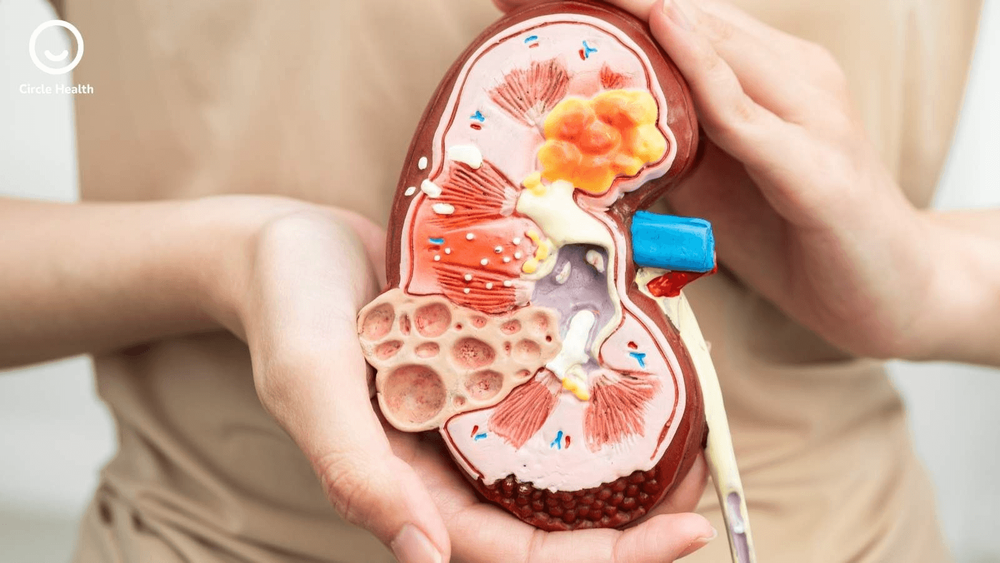
Physician groups and IPAs boost chronic care and patient satisfaction using RPM, CCM, and structured care programs.
Chronic disease management is one of the most pressing clinical challenges that physician groups and IPAs face today. Patients with conditions like diabetes, hypertension, and heart failure require consistent, coordinated oversight, not just episodic visits.
This article outlines the clinical strategies IPAs can deploy to improve chronic disease control and increase patient satisfaction across their networks.
Why Chronic Disease Control Remains a Gap
Over two-thirds of Medicare beneficiaries live with two or more chronic conditions. Yet many practices still rely on reactive, visit-based care. Patients go unmonitored between appointments, care plans go unshared, and medication adherence falls.
The result is preventable hospitalizations, poor disease control, and low patient satisfaction. Understanding the emotional and economic burden of chronic disease makes the case for proactive intervention clear.
1. Structured Care Plans Drive Better Outcomes
A documented, shared care plan is the foundation of effective chronic disease management. Without it, care remains fragmented across specialties and settings.
Key elements of an effective care plan include:
- Problem list specific to the patient's chronic conditions
- Medication list with reconciliation notes
- Care goals agreed upon with the patient
- Specialist coordination was documented and shared
CMS data shows that with structured CCM services, hospitalizations decreased by nearly 5% and emergency department visits declined by 2.3%. These outcomes reflect what coordinated, plan-driven care can achieve at scale.
2. Remote Patient Monitoring Closes the Between-Visit Gap
Physician groups and IPAs cannot monitor chronic patients only during office visits. Remote Patient Monitoring (RPM) extends clinical oversight into the patient's daily life, capturing real-time data on blood pressure, glucose, weight, and more.
RPM enables clinicians to:
- Identify early deterioration before it becomes an emergency
- Adjust medications or care plans based on real data
- Reduce unnecessary urgent care visits
Remote patient monitoring for chronic disease management shows how this approach directly supports better disease control across high-risk populations.
3. CCM Programs Improve Adherence and Satisfaction
Chronic Care Management (CCM) programs provide structured monthly touchpoints for patients with two or more chronic conditions. These regular check-ins improve medication adherence, care plan compliance, and patient engagement.
Providers and care managers report several positive outcomes from CCM, including improved patient satisfaction, better adherence to recommended therapies, improved clinician efficiency, and decreased hospitalizations. For IPAs, deploying a standardized CCM program across member practices creates a consistent patient experience and measurable clinical results.
4. RPM and CCM Together Optimize Patient Outcomes
RPM and CCM are not competing programs; they are complementary. RPM captures objective physiological data. CCM provides the care coordination infrastructure to act on it.
Together, they address both clinical and behavioral dimensions of chronic disease. Understanding how RPM and CCM work together for optimal patient outcomes helps IPAs design programs that close both gaps simultaneously. This is especially effective for conditions like diabetes and hypertension, where daily data trends matter as much as monthly lab results.
5. Patient Engagement Directly Impacts Satisfaction
Clinical outcomes and patient satisfaction are closely linked. Patients who feel heard, informed, and involved in their care report higher satisfaction scores. However, engagement requires more than a portal login.
Effective engagement strategies for IPAs include:
- Regular care manager outreach between visits
- Shared care plans are accessible to patients
- Patient education on condition self-management
- Timely follow-up after hospitalizations or ER visits
CMS affirms that CCM can help deliver coordinated care that improves patient health and increases satisfaction. IPAs should build engagement workflows into their CCM and RPM programs from the start.
6. Post-Discharge Follow-Up Reduces Readmissions
Chronic disease patients face the highest risk of readmission within 30 days of discharge. Physician groups that lack a structured transitional care process miss a critical intervention window.
Key post-discharge steps include:
- Medication reconciliation within 48 hours
- Follow-up call within 72 hours by a care manager
- Appointment scheduling within 7 days of discharge
- Care plan update reflecting new clinical status
Transitional care management best practices offer a detailed framework that IPAs can standardize across their networks to reduce readmissions and protect quality star ratings.
7. Quality Metrics Tie Directly to Chronic Disease Control
For IPAs operating in value-based care contracts, chronic disease outcomes are not just clinical goals; they are financial ones. HEDIS measures, star ratings, and shared savings calculations all reflect how well chronic conditions are managed.
Key metrics to track across member practices include:
- HbA1c control rates for diabetic patients
- Blood pressure control for hypertensive patients
- Medication adherence rates
- Readmission rates within 30 and 90 days
- Patient satisfaction scores (CAHPS)
Structured care management services support value-based care performance. Therefore, IPAs that close chronic disease gaps improve both clinical and financial outcomes simultaneously.
Chronic Disease Control Within Value-Based Care Strategy

For IPAs operating in value-based care contracts, improved chronic disease control is not just a clinical goal; it is a financial requirement. HEDIS measures, star ratings, and shared savings calculations all reflect how well chronic conditions are managed across the network.
Care management services that support value-based care performance become structural levers, not optional add-ons, as reimbursement models shift from volume to outcomes.
The Bottom Line
Improved chronic disease control and increased patient satisfaction are achievable but only when care management is treated as an operational system, not a billing exercise. For physician groups and IPAs, this means deploying structured CCM and RPM programs, standardizing post-discharge workflows, and tracking disease-specific outcomes consistently across all member practices.
Organizations that operationalize chronic disease management at scale are better positioned to reduce hospitalizations, strengthen patient relationships, and perform under value-based care contracts now and as reimbursement models continue to evolve.
Frequently Asked Questions
Q1. How does chronic care management improve patient satisfaction?
CCM provides regular touchpoints, shared care plans, and care manager access between visits. Patients feel more supported, which directly improves satisfaction scores and treatment adherence.
Q2. Can RPM be used alongside CCM for chronic disease patients?
Yes. RPM captures daily physiological data while CCM provides care coordination. Together, they offer a complete chronic disease management solution for high-risk patients.
Q3. What chronic conditions benefit most from structured care management?
Diabetes, hypertension, heart failure, COPD, and chronic kidney disease benefit most. These conditions require continuous monitoring, medication management, and regular care plan updates.
Q4. How do IPAs standardize chronic disease management across multiple practices?
IPAs can create shared care management teams, centralized care plan templates, and network-level dashboards. Standardized workflows ensure consistent care quality across all member sites.
Q5. What is the clinical impact of RPM on chronic disease control?
RPM allows clinicians to detect early deterioration, adjust treatment plans in real time, and reduce ER visits. It extends clinical oversight beyond the office visit, critical for chronic disease control.