
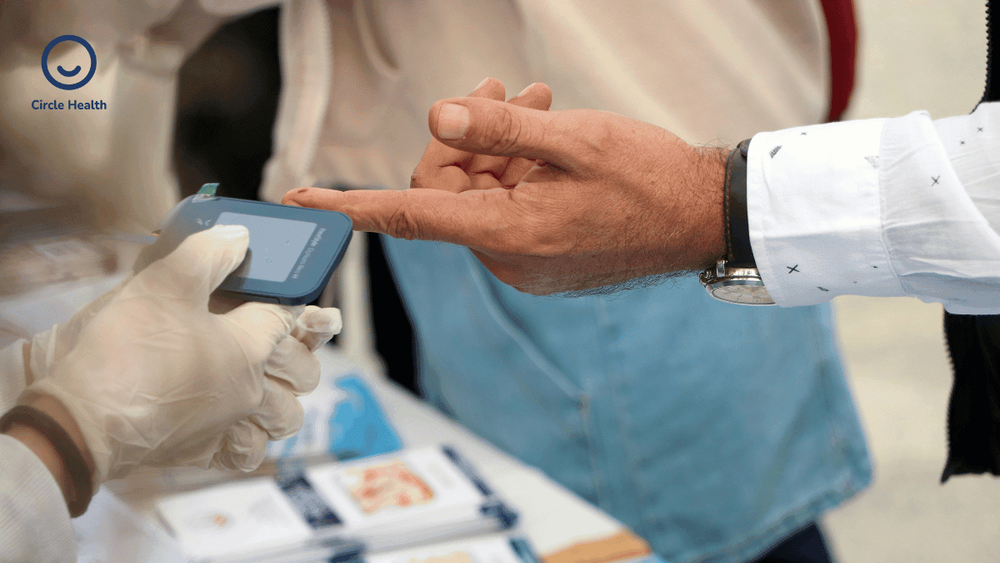
Discover why Remote Patient Monitoring (RPM) is becoming essential for value-based care, helping providers improve outcomes, reduce costs, and drive healthcare success.
Healthcare is undergoing a fundamental transformation. The traditional fee-for-service model, where providers are paid for volume rather than value, is rapidly giving way to value-based care arrangements that reward outcomes over procedures. As this shift accelerates, remote patient monitoring has emerged not as an optional add-on but as an essential infrastructure for healthcare practices looking to thrive in the new healthcare economy.
Understanding the Value-Based Care Imperative
The Centers for Medicare and Medicaid Services has set an ambitious goal to align most Medicare beneficiaries with value-based care models by 2030. This represents more than just a policy shift, it's a complete reimagining of how healthcare providers will be compensated and evaluated.
Under value-based care models, providers are rewarded for patient health outcomes instead of the volume of services delivered, with a focus on prevention, team-based care, and helping patients avoid chronic disease complications and hospital readmissions while reducing overall costs. For practices still operating primarily under fee-for-service arrangements, the financial implications are significant, with increased penalties under Merit-based Incentive Payment System scoring adjustments and expanded adoption requirements for Alternative Payment Models.
The message from policymakers and payers is clear: demonstrate measurable improvements in patient outcomes, or face financial consequences. This creates an urgent need for tools that can prove clinical effectiveness while improving care quality.
Why Remote Patient Monitoring Aligns Perfectly with Value-Based Care
Remote patient monitoring addresses the core requirements of value-based care through several key mechanisms. Continuous monitoring enables consistent tracking of vitals, anomalies, and negative health trends, promoting early intervention and decreased hospital admissions. Rather than waiting for patients to deteriorate and present in emergency departments, RPM allows care teams to identify problems early when interventions are simpler, less expensive, and more effective.
Patients become active participants in their health management through RPM, leading to better adherence and outcomes. When patients can see their own health data and understand how their behaviors affect their conditions, engagement increases dramatically. This shift from passive recipient to active participant proves essential for managing chronic conditions that require sustained behavior change.
Real-time data supports informed clinical decision-making, enhancing the quality of care. Instead of relying on patients' recall of symptoms or isolated measurements taken during office visits, providers gain comprehensive views of health trends over time, enabling more precise medication adjustments and treatment modifications.
The Market Momentum Behind RPM

The remote patient monitoring market is experiencing explosive growth that reflects genuine clinical value rather than speculative hype. The global RPM market is project ed to reach $207.5 billion by 2028, up from $71.9 billion in 2023, reflecting a compound annual growth rate of 23.6%. In the United States specifically, the market value is expected to grow from $24.39 billion in 2023 to $56.94 billion by 2030.
This growth is driven by several converging factors. With 38.4 million Americans living with diabetes and nearly 14.7% of U.S. adults managing hypertension as of 2024, the need for continuous monitoring has never been greater. Traditional episodic care simply cannot provide the level of oversight required to effectively manage these conditions at scale.
RPM helps stretched healthcare teams manage larger patient populations more effectively while clinician shortages persist. Rather than requiring every patient to come to the office for routine monitoring, care teams can focus in-person visits on patients who truly need face-to-face evaluation while efficiently monitoring stable patients remotely.
Perhaps most importantly, payment models increasingly reward outcomes over volume, making RPM's preventive approach financially sustainable. What was once a money-losing proposition, spending time monitoring patients who don't generate office visit revenue, now becomes a reimbursable service that improves outcomes and reduces costly complications.
Clinical Outcomes That Validate the Approach
The effectiveness of remote patient monitoring isn't theoretical, it's backed by compelling clinical evidence across multiple conditions. In a study with 126 patients in a COPD RPM program, all-cause hospitalizations per patient-year decreased from 1.09 to 0.38, with a 44.3% decrease in emergency department visits. These reductions represent both improved patient quality of life and substantial cost savings.
Similar outcomes appear across other chronic conditions. The University of Pittsburgh Medical Center reported that RPM helped reduce their readmission rate by 76% while patient satisfaction scores rose to over 90%. These results demonstrate that RPM doesn't just prevent complications, it also enhances the patient experience.
The financial impact extends beyond preventing hospitalizations. One health system reported that when RPM technology was applied to their patient population, they observed an overall reduction of 30-day readmissions, validating the return on investment that value-based care models reward.
Emerging Technologies Enhancing RPM Effectiveness
The future of remote patient monitoring extends beyond current capabilities through integration of advanced technologies. AI algorithms can analyze heart rate variability, glucose levels, or oxygen saturation trends over time and predict potential complications before they arise, enabling healthcare providers to intervene earlier. This predictive capability transforms RPM from reactive monitoring to truly proactive prevention.
Data collected through monitoring devices is increasingly used to create tailored care plans based on each individual's specific health conditions, lifestyle, and genetic profile. As personalized medicine advances, RPM provides the continuous data streams necessary to customize interventions at the individual level rather than applying population-based guidelines that may not fit every patient.
Interoperability improvements are making RPM data more valuable. Mandates like TEFCA and FHIR APIs are enhancing data interoperability, enabling seamless data exchange between RPM platforms, EHRs, and population health systems. This integration ensures that remote monitoring data becomes part of the comprehensive patient record rather than existing in isolated silos.
Reimbursement Models Supporting RPM Adoption

The financial sustainability of remote patient monitoring has improved dramatically through expanded reimbursement policies. Medicare reimbursement codes include CPT 99457 at $47.87 for the first 20 minutes of clinical review and care planning, and CPT 99458 at $38.49 for additional 20-minute increments for complex cases. These codes provide reliable revenue streams for the clinical time spent reviewing patient data and coordinating care.
Federally Qualified Health Centers and Rural Health Clinics gained eligibility for these codes in 2025, expanding access to underserved populations. This policy change recognizes that communities most in need of improved healthcare access often face the greatest provider shortages, exactly where RPM can have the most significant impact.
Payers are increasingly offering incentives for continuous monitoring and remote care, recognizing the long-term cost savings and improved outcomes associated with RPM. As value-based contracts become standard, these incentives will only strengthen, making RPM adoption increasingly attractive from a financial perspective.
Patient Acceptance and Engagement
One potential barrier to RPM adoption, patient willingness to use the technology, has proven to be less of a challenge than initially anticipated. Between 65% and 70% of consumers surveyed said they would be willing to participate in a remote patient monitoring program with their care providers to monitor blood pressure, heart rate, blood sugar and blood oxygen levels.
The benefits patients value most from RPM include convenience of care delivery, reduced need to travel for routine monitoring, earlier detection of potential problems, and increased sense of security from knowing they're being monitored. These factors combine to create high patient satisfaction that supports program sustainability.
Preparing Your Practice for the Value-Based Future
For healthcare practices navigating the transition to value-based care, remote patient monitoring represents both a clinical improvement tool and a financial safeguard. CMS continues to expand the digital care roadmap, with ongoing updates to CPT codes and reimbursement policies that support broader RPM adoption and more flexible billing for remote monitoring services.
The practices succeeding in this transition share common characteristics: they partner with experienced RPM providers rather than building programs from scratch, they integrate RPM data seamlessly into existing clinical workflows through EHR connections, they dedicate care team members to patient engagement and monitoring, and they measure and report outcomes to demonstrate value to payers and patients.
Most importantly, successful practices recognize that implementing RPM isn't just about adding a service line, it's about fundamentally changing how chronic disease management is delivered. The episodic care model that worked under fee-for-service doesn't align with value-based care requirements. Continuous monitoring, proactive intervention, and coordinated team-based care represent the future of sustainable practice operations.
As value-based care continues its expansion, practices that have already implemented effective remote patient monitoring programs will find themselves well-positioned for success. Those that delay adoption risk facing increased financial penalties while missing opportunities to improve outcomes and capture new revenue streams. The future of healthcare isn't coming, it's already here, and remote patient monitoring is at its center.