

Close the post-discharge care gap at scale with structured transitional care, TCM billing, and coordinated workflows to reduce readmissions and improve outcomes.
The moment a patient leaves the hospital is often when clinical risk is highest. Despite advances in inpatient care, the post-discharge period remains one of the most fragile transitions in the care continuum.
For large health systems, the challenge is not just clinical it is operational. Managing hundreds of discharges daily across multiple service lines, facilities, and outpatient networks creates gaps that individual clinicians cannot close alone. Addressing the post-discharge care gap requires a system-level approach built on standardized protocols, accountable workflows, and reimbursable care management infrastructure.
What Is the Post-Discharge Care Gap?
The post-discharge care gap refers to the period between hospital discharge and the patient's first meaningful outpatient contact during which clinical deterioration, medication errors, and care plan breakdowns most commonly occur.
Key drivers of this gap in large health systems include:
- Fragmented handoffs: Discharge summaries that never reach the primary care team, or arrive too late to be actionable
- No structured follow-up protocols: Patients left to self-navigate appointment scheduling without clear guidance or active outreach
- Medication discrepancies: Unresolved differences between inpatient and discharge medication lists that go undetected until a crisis occurs
- Social and logistical barriers: Transportation gaps, health literacy limitations, and caregiver burden that prevent patients from executing even the best-designed discharge plans
- Volume overwhelm: At high-discharge-volume institutions, high-risk patients are easily lost in the queue without automated risk stratification.
Why Large Health Systems Are Uniquely Vulnerable
Smaller practices can manage post-discharge follow-up through direct provider relationships. Large health systems cannot rely on that model. At scale, care continuity requires systems, not individuals.
The structural vulnerabilities unique to large health systems include:
- Multiple EHR systems or incomplete interoperability between hospital and outpatient platforms
- High patient volume that limits the ability of any single care team to track every discharge
- Decentralized care coordination responsibilities split across inpatient case managers, outpatient PCPs, and specialist teams with no clear ownership of the transition period
- Inconsistent protocols across departments, units, and campuses within the same system
- High staff turnover in care coordination roles, which disrupts relationship continuity with patients
The Clinical Consequences of an Unmanaged Care Gap
When the post-discharge period is left unmanaged, the consequences are measurable and well-documented.
Clinical and financial risks of an unaddressed post-discharge gap include:
- Preventable 30-day readmissions that trigger HRRP payment reductions of up to 3% on all Medicare fee-for-service DRG payments
- Avoidable emergency department visits driven by symptoms that should have been caught during post-discharge outreach
- Medication-related adverse events among the most common and preventable causes of early rehospitalization
- Deterioration of chronic disease conditions due to missed follow-up and lapses in medication management
- Patient dissatisfaction and trust erosion, which directly affect CAHPS scores and value-based care performance
Four Infrastructure Components That Close the Gap
Closing the post-discharge care gap at scale does not require new clinical departments. It requires four foundational infrastructure components deployed consistently across the system.
1. Automated Discharge Tracking and ADT Alerts
Large health systems must use Admission, Discharge, and Transfer (ADT) notification systems to ensure that every discharge triggers an immediate workflow. The care coordination team should receive real-time alerts at the point of discharge not through retrospective chart review.
ADT-driven workflows should automatically:
- Flag discharges by risk level using validated tools such as the LACE index or HOSPITAL score
- Route high-risk patients to dedicated care coordinators within the first hour of discharge
- Schedule the 48-hour post-discharge contact before the patient leaves the facility
- Initiate a discharge summary transmission to the receiving outpatient provider
2. Structured 48-Hour Post-Discharge Contact
The 48-hour window after discharge is where the most preventable adverse events occur. A structured telephone contact by a registered nurse or care coordinator during this period is the single highest-yield intervention in the transitional care toolkit.
The 48-hour contact protocol should include:
- Medication review: Confirming the patient has obtained, understands, and is taking all prescribed medications
- Symptom check: Identifying early warning signs of deterioration before they escalate
- Appointment confirmation: Verifying the patient's follow-up visit is scheduled and accessible
- Barrier screening: Identifying transportation, financial, or comprehension issues that could derail the care plan
3. Timely Follow-Up Visits and TCM Billing
Post-discharge outpatient follow-up within 7 to 14 days is a clinical necessity and a reimbursable service. Under CMS Transitional Care Management guidelines, CPT 99495 and 99496 reimburse providers for the 30-day post-discharge management period provided that interactive contact occurs within 2 business days and a face-to-face visit occurs within the required timeframe.
For large health systems, TCM billing creates a direct financial incentive to execute the exact clinical steps that close the care gap. Implementing evidence-based TCM best practices ensures that post-discharge workflows are both clinically sound and billing-compliant at scale.
4. Warm Handoffs to Outpatient Providers
A discharge summary in a fax queue is not a care transition. Large health systems must build explicit handoff protocols that ensure the receiving outpatient provider whether a PCP, specialist, or SNF care team has the clinical information and context needed to continue care without interruption.
Effective handoff standards include:
- Transmit discharge summaries within 24 hours of discharge, directly to the receiving provider
- Conduct verbal handoffs for high-risk or complex patients between inpatient and outpatient teams
- Confirm receipt and acknowledgment from the outpatient provider before closing the transition episode
- Document all handoff communications in the EHR for continuity, compliance, and audit purposes
Scaling Post-Discharge Care With Outsourced Support
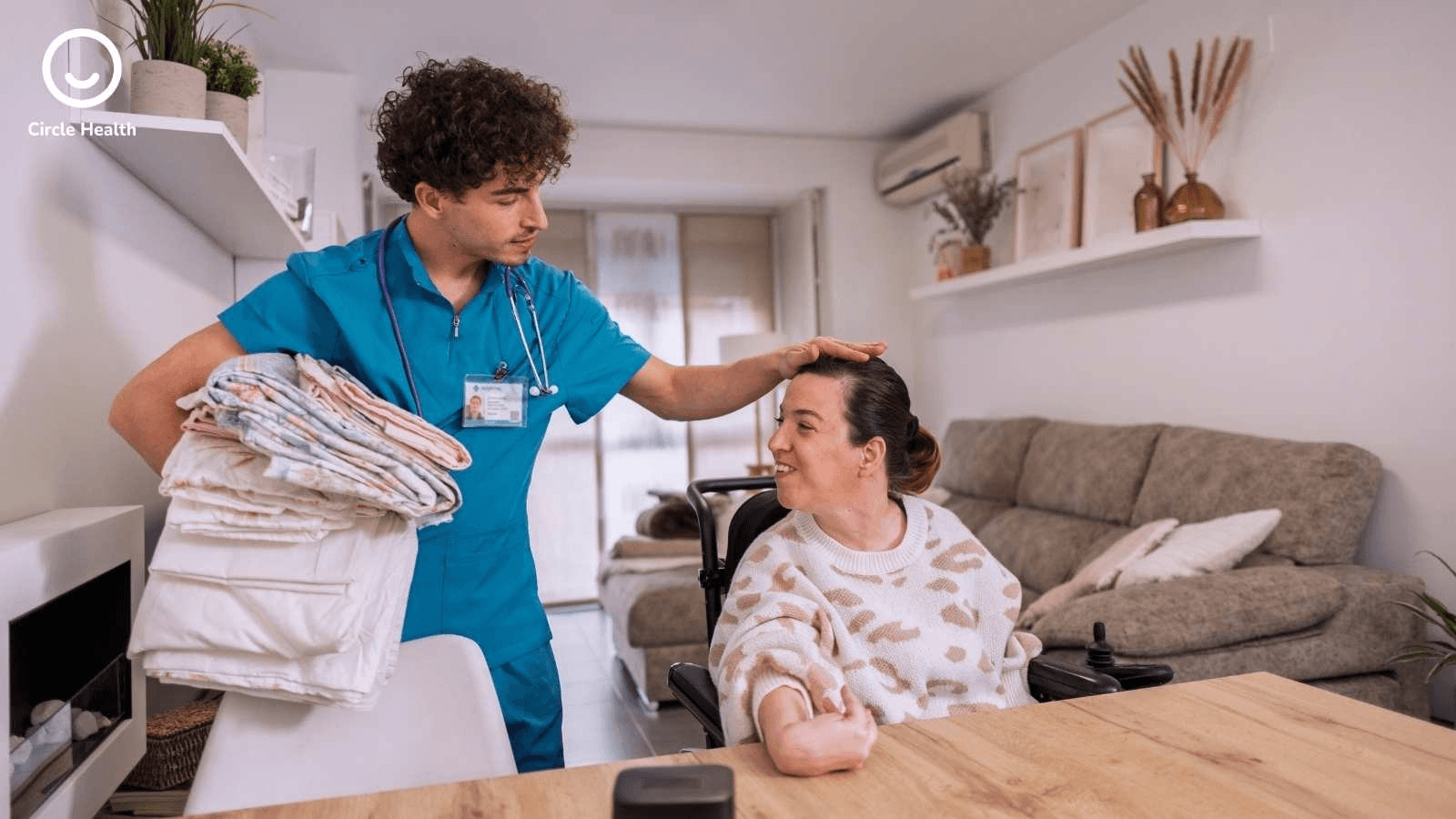
Many large health systems have the clinical protocols in place but lack the operational capacity to execute them consistently at high discharge volumes. Outsourced care management partners can provide the infrastructure care managers, documentation systems, ADT integration, and TCM billing support needed to close the gap across every patient, every discharge, every day.
A dedicated TCM program that integrates with the health system's EHR ensures that no high-risk discharge falls through the cracks, regardless of internal staffing fluctuations or volume surges.
Key Takeaways
- The post-discharge period is the highest-risk window in the care episode, and the most frequently under-resourced
- Large health systems cannot rely on individual provider relationships to manage transitions at scale — they need systems, protocols, and automation
- ADT alerts and risk stratification are the operational foundation for consistent, high-risk-first post-discharge outreach
- The 48-hour post-discharge contact is the single most impactful intervention in the transitional care toolkit
- TCM billing creates sustainable reimbursement that directly funds the execution of evidence-based post-discharge protocols
- Outsourced care management allows health systems to close the post-discharge gap at scale without expanding internal headcount
Conclusion
The post-discharge care gap is not an unsolvable problem. It is an operational problem that persists because the processes required to close it have not been standardized, resourced, and held to consistent performance standards across the system.
Large health systems that invest in post-discharge infrastructure do not just reduce readmissions but also protect revenue, strengthen quality scores, and deliver the continuity of care that patients, particularly those with complex chronic conditions, need to stay healthy after discharge.
The bottom line: closing the care gap requires owning the post-discharge period as a clinical and operational responsibility, not treating it as someone else's problem once the patient walks out the door.
Frequently Asked Questions
1. What is the post-discharge care gap and why does it matter?
The post-discharge care gap is the critical period after hospital discharge before the first follow-up, when risks like complications and medication errors are highest. In large health systems, high patient volumes and fragmented coordination make consistent follow-up difficult. If unmanaged, it leads to higher readmissions, ED visits, and financial penalties.
2. What CPT codes support reimbursement for post-discharge transitional care?
Transitional Care Management is reimbursed using CPT 99495 and 99496. CPT 99495 applies to moderate complexity cases with a visit within 14 days, while 99496 is for high complexity cases with a 7-day visit. Both require patient contact within 2 business days and proper documentation.
3. How does ADT notification technology help close the care gap?
ADT alerts notify care teams in real time when a patient is discharged, enabling immediate follow-up actions. Integrated workflows help identify high-risk patients, assign coordinators, and schedule timely outreach. This ensures structured and consistent post-discharge care.
4. How should health systems measure post-discharge care gap performance?
Key metrics include 30-day readmission rates, 48-hour contact completion, 7-day follow-ups, and medication reconciliation rates. These should be tracked through dashboards at multiple levels and reviewed regularly. Benchmarking with CMS data helps assess performance against peers.
5. Can outsourced care management integrate with existing EHR systems?
Yes, outsourced care management partners can integrate with EHRs like Epic, Cerner, and athenahealth. They can access patient data, receive ADT alerts, and document care activities within the system. This allows them to function as an extension of the internal care team.