

SNFs can scale care coordination without new leadership. Use existing staff, workflows, TCM billing, and outsourced support to reduce readmissions.
Skilled nursing facilities operate under constant pressure, high patient acuity, complex discharge timelines, CMS reporting requirements, and staffing constraints that rarely ease. Most SNF operators assume a structured care coordination program requires a dedicated program director or new clinical leadership role.
In practice, none of that is necessary. SNFs that embed care coordination into existing workflows, owned by current clinical staff, consistently deliver better transition outcomes without a single new leadership hire.
What Is Care Coordination in a Skilled Nursing Facility?
Care coordination in an SNF is the deliberate organization of patient care activities and information sharing among all clinical staff involved in a resident's care. It ensures the right services are delivered at the right time from admission through discharge and into the post-acute period.
Much like transitional care management best practices applied in hospital settings, SNF care coordination focuses on closing the gaps that cause patients to fall through the cracks between care settings.
In an SNF setting, care coordination covers:
- Comprehensive resident assessments from admission to discharge planning
- Interdisciplinary communication between nursing, therapy, social work, and dietary teams
- Medication management and reconciliation across care transitions
- Scheduling and confirming post-discharge follow-up with outpatient providers
- Documentation and reporting that meet CMS quality and billing requirements
What Is a Skilled Nursing Facility (SNF)?
A Skilled Nursing Facility is a Medicare-certified healthcare setting that provides round-the-clock medical care and rehabilitation services to patients who need more support than home care can offer but do not require acute hospitalization.
SNFs typically serve patients recovering from:
- Surgery, joint replacement, or orthopedic injury
- Stroke, cardiac events, or respiratory illness
- Chronic disease exacerbations requiring short-term intensive management
Medicare Part A covers SNF stays for eligible patients for up to 100 days following a qualifying 3-day hospital admission. Beyond that window, coverage shifts or ends, making timely, well-coordinated discharge planning essential for both patient outcomes and facility reimbursement.
Why SNFs Need Structured Care Coordination Now
Nearly one in four Medicare patients discharged to a SNF is readmitted to the hospital within 30 days. That number is not just a quality benchmark; it carries direct financial and regulatory consequences.
The CMS Skilled Nursing Facility Quality Reporting Program (SNF QRP) mandates annual submission of standardized quality measures. Facilities that fail reporting thresholds face a 2-percentage-point reduction in their annual market basket update, a meaningful revenue impact for most operators.
Poor coordination creates a cycle of compounding problems:
- Avoidable rehospitalizations that damage hospital referral relationships and reduce census
- Documentation gaps that increase CMS audit exposure and survey risk
- Fragmented interdisciplinary handoffs that delay discharge and inflate the length of stay
- Patients leaving without adequate education or follow-up increase the risk of acute care recurrence
The Leadership Misconception Holding SNFs Back
Most SNF operators delay building a care coordination program because they assume it requires a dedicated program director, a new hire, or a restructured leadership team.
That assumption is incorrect. What care coordination actually requires is three things:
- Role clarity defined ownership of each step in the transition process
- Protocol standardization consistent processes that are not dependent on individual initiative
- Accountability, measurable performance expectations applied to existing roles
All three are achievable within your current staffing model. No new titles. No new headcount. No reorganization.
Who Already Does This Work in Your SNF?
The clinical staff performing the core functions of care coordination already exists in every SNF. The problem is that their work is informal, siloed, and unmeasured.
Here is how existing roles map to coordination responsibilities:
- MDS Coordinator: Completes mandated CMS resident assessments, tracks clinical status changes, and often serves as the de facto hub of transition planning
- Director of Social Services: Manages discharge planning, coordinates community resources, communicates with families, and identifies post-discharge barriers
- Charge Nurse: Monitors daily clinical status across the unit, is first to identify deterioration, and initiates escalation when needed
- Director of Nursing (DON) or ADON: Holds existing oversight responsibility for clinical quality and is the natural accountability anchor for a coordination program
- Therapy Team Lead: Tracks functional progress, contributes to discharge readiness assessments, and coordinates equipment and home health orders
What Is the Transition of Care in a SNF Context?

A transition of care refers to the movement of a patient between healthcare settings or providers in a SNF context, most commonly from hospital to SNF and from SNF to home or community-based care.
Poor transitions are the primary driver of SNF-related readmissions. Research consistently shows that breakdowns in the following areas cause the most harm:
- Medication reconciliation failures: Unresolved discrepancies between inpatient and discharge medication lists
- Incomplete discharge communication: Summaries that are delayed, incomplete, or never received by the outpatient team
- Absent post-discharge follow-up: Patients who leave without a confirmed appointment or a structured contact plan
- Inadequate patient and caregiver education: Residents who cannot demonstrate understanding of their care plan or warning signs
Four Operational Components to Build Without New Hires
1. Assign Formal Ownership to an Existing Role
Designate a care coordination lead from your existing clinical team, typically the MDS coordinator or director of social services. This person does not need a new title. They need one clear mandate: own the resident transition process from admission through 30 days post-discharge.
Formalizing this role means defining:
- Admission-level risk stratification using a validated tool such as the LACE index or INTERACT risk score
- Weekly interdisciplinary care conferences with nursing, therapy, social work, and dietary
- Discharge summary completion and transmission within 24 hours of discharge
- Post-discharge follow-up contact documentation within required timeframes
2. Build a Standardized Discharge Protocol
Care coordination fails when it depends on individual memory or effort. Every high-risk discharge should trigger the same structured sequence regardless of which nurse or social worker is on shift.
A compliant SNF discharge protocol should confirm before every departure:
- Medication reconciliation completed and verified against the receiving provider's list
- Teach-back education delivered to the patient and caregiver, with comprehension documented
- Follow-up appointment scheduled, confirmed, and accessible to the patient
- Discharge summary transmitted directly to the receiving PCP not just uploaded to a portal
- Red-flag symptom checklist given to the patient in plain language
3. What Is TCM and How Does It Fund Your Program?
Transitional Care Management (TCM) is a CMS-reimbursed service that compensates outpatient providers for managing the 30 days following a patient's discharge from an inpatient facility, including a SNF.
Under CPT codes 99495 and 99496, the billing provider, a physician, NP, or PA, must:
- Make interactive contact with the patient within 2 business days of discharge
- Complete a face-to-face visit within 7 days (CPT 99496, high complexity) or 14 days (CPT 99495, moderate complexity)
- Reimburse at approximately $167–$233 per episode
For SNFs, TCM creates a shared financial incentive. Reviewing TCM guidelines for SNF discharges helps clarify how SNF-to-home transitions qualify and what documentation the billing provider needs from the facility.
The incentive structure works as follows:
- The SNF reduces readmissions and protects its hospital referral relationships
- The billing provider captures meaningful per-episode reimbursement
- The patient receives structured post-acute support that reduces the risk of acute care recurrence
Full CPT code specifications and documentation requirements are detailed in CMS SNF Services compliance guidance.
4. Implement a 72-Hour Post-Discharge Contact Protocol
The 72-hour window after SNF discharge is the highest-risk period in the post-acute care continuum. Medication errors, symptom escalation, and care plan breakdowns are most likely to occur in this window, and most are preventable with a single structured phone contact.
This contact can be conducted by an existing care coordinator, social worker, or charge nurse. It should cover:
- Confirmation that the patient has obtained and understands all discharge medications
- Verification that the follow-up appointment is scheduled and the patient knows how to access it
- Symptom screen for pain, shortness of breath, fever, wound changes, or confusion
- Provision of a direct contact number if symptoms worsen before the outpatient visit
What Is SNF Quality Reporting and Why Does It Matter?
The SNF Quality Reporting Program (QRP) is a CMS mandatory reporting initiative that requires all Medicare-certified SNFs to submit standardized patient assessment data and quality measures annually.
Key measures tracked under the SNF QRP include:
- Discharge to community rate: The percentage of residents successfully discharged to home or community settings
- Potentially preventable 30-day post-SNF readmission rate: Direct reflection of transition quality
- Functional outcome measures: Improvements in self-care and mobility during the SNF stay
- Medicare spending per beneficiary: Total cost of care associated with the SNF episode.
When Outsourced Care Coordination Makes Sense
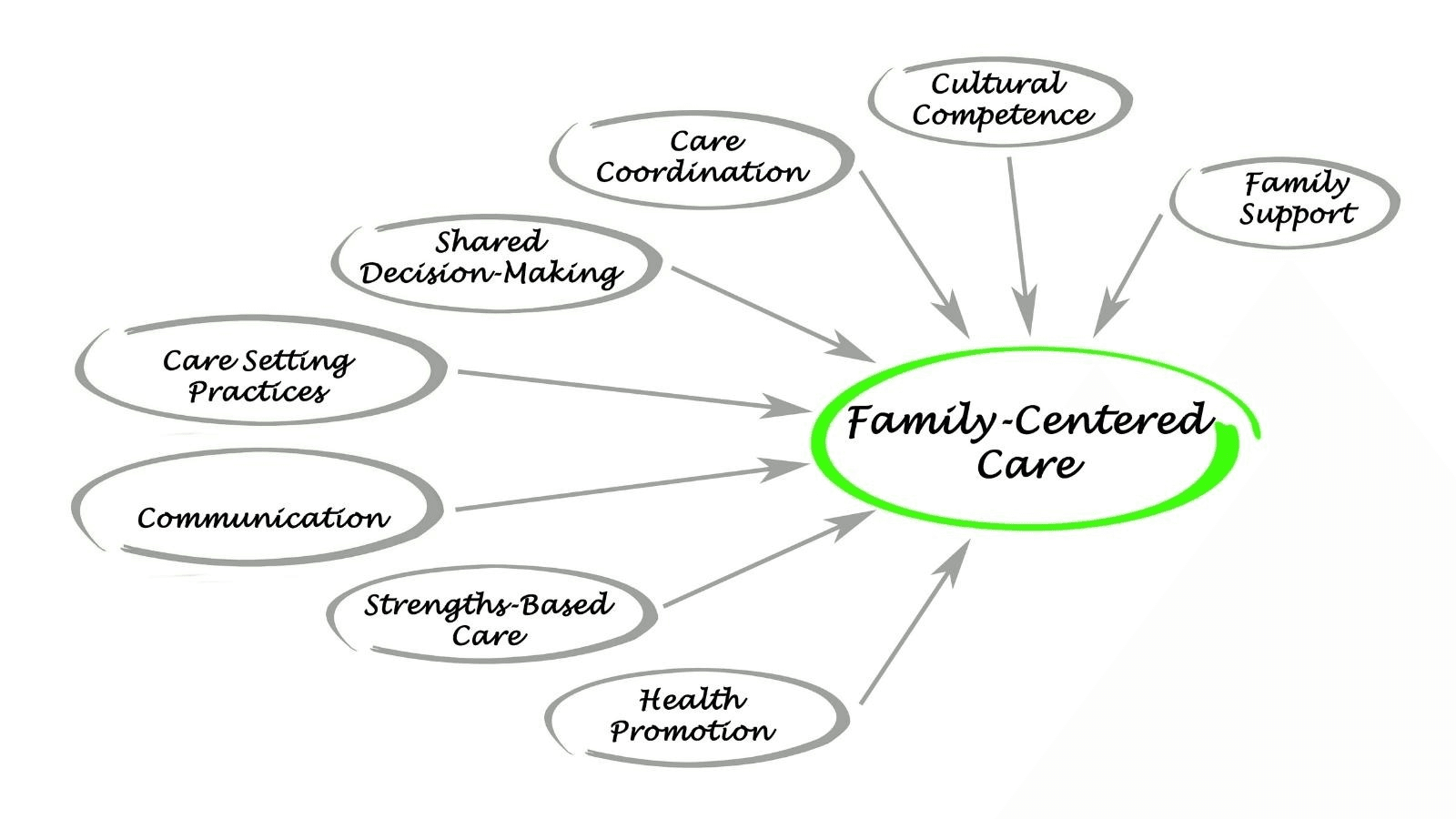
Some SNFs have the protocols in place but not the staffing consistency to execute post-discharge follow-up reliably across all discharges, every day. High turnover, volume surges, and competing administrative demands create execution gaps even in well-designed programs.
Outsourced care coordination partners close this gap without adding to the organizational structure:
- Licensed care managers conduct structured post-discharge contacts on behalf of the SNF team
- Real-time documentation is maintained and formatted for TCM billing submission
- EHR integration ensures the internal care team and the outsourced partner operate from the same patient record
- The model functions as an operational extension of the existing clinical team not a replacement
Key Takeaways
- Care coordination in SNFs does not require new leadership — it requires role clarity, standardized protocols, and consistent execution from existing staff
- MDS coordinators, social workers, and charge nurses are the natural operational owners of the SNF transition process
- A standardized discharge protocol covering medication reconciliation, teach-back, appointment scheduling, and summary transmission is the non-negotiable foundation
- TCM billing directly funds the post-discharge coordination activities that reduce readmissions - making the program financially self-sustaining
- 72-hour post-discharge contact is the single highest-yield intervention in the post-SNF transition window
- Outsourced care management allows SNFs to close execution gaps at scale without restructuring internal operations
Conclusion
SNF care coordination is an operational challenge, not a leadership one. The staff to run it are already employed. The CMS reimbursement to fund it is already authorized. What most facilities lack is the formal process that connects those two realities into a consistent, accountable workflow.
SNFs that build that structure, assigning clear ownership, standardizing discharge protocols, leveraging TCM reimbursement, and executing post-discharge contact reliably will reduce readmissions, strengthen hospital relationships, and improve QRP performance without adding a single new position.