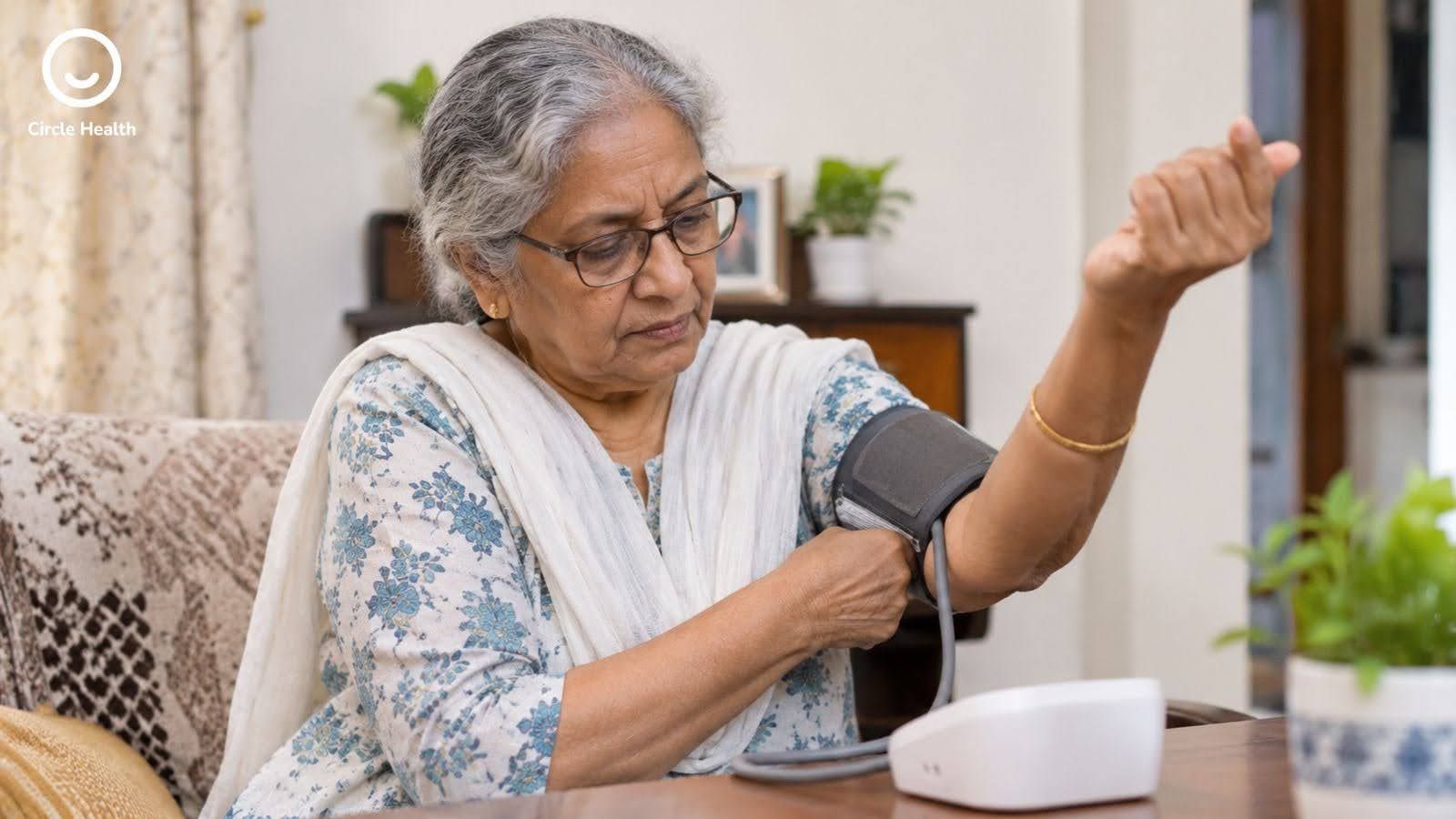
For many older adults, a small device on the kitchen table has become a steady link to their care team. A blood pressure cuff, a scale or a glucose meter sends readings to a nurse who watches for trouble and calls when something looks off. That arrangement may soon change for people on traditional Medicare. A federal proposal would stop paying doctors for remote monitoring when an outside technology company runs it, and patients, rural clinics and health tech firms warn that access could shrink sharply. Here is what the proposal says, why CMS wants it, who is pushing back, and what practices should do now.
Key Takeaways
- CMS has proposed paying for remote physiologic and therapeutic monitoring only when the billing practice's own employed staff deliver it.
- If finalized, the changes would start January 1, 2027. The public comment period closed September 14, 2026.
- The proposal covers traditional Medicare, not Medicare Advantage directly, but other payers may follow.
- The trigger was oversight reports citing fraud, thin data and patients not treated by the clinician who ordered the device.
- More than 230 organizations oppose the plan, while Humana, the Blue Cross Blue Shield Association and Sutter Health largely support it.
- Rural clinics are the most exposed, because most depend on outside partners to run their programs.
What Remote Monitoring Looks Like for a Rural Patient
Imagine a retired farmer in a small Midwestern town who is living with heart failure. The nearest cardiology office is almost an hour away, so he weighs himself each morning on a connected scale and checks his pulse and oxygen level with a small fingertip device. The readings reach his care team automatically, and a nurse phones him once a month to review the trend. When his weight jumped over a weekend, the nurse caught it, worked with his doctor to adjust the plan, and helped him avoid an emergency room visit. For patients like him, remote monitoring is steady, personal support that fits into an ordinary day, which is exactly what the proposal puts at risk.
What the Proposed Rule Would Change
The policy appears in the CY 2027 Medicare physician fee schedule proposed rule, and the full text was published in the Federal Register as Medicare and Medicaid programs CY 2027 payment policies. Medicare would reimburse a clinician only when someone at the clinician's own facility does the monitoring. Practices that now contract outside companies for device supply, data review and patient calls would lose payment for that arrangement. Reporting and legal analyses also point to several related proposals:
- An initiating visit and an established patient relationship before monitoring begins
- Remote therapeutic monitoring limited to established patients, matching the rule already in place for remote physiologic monitoring
- Lower payment rates for some remote monitoring codes
- A possible consolidation of 17 codes into four G-codes covering setup and education, device supply, data transmission and treatment management
Why CMS Says It Needs to Act
The agency is responding to reports from the HHS Office of Inspector General, an independent watchdog. They raised concerns about fraud, too little data on program performance, and patients who were not receiving care from the clinician who ordered their device. CMS argues that outside vendors may have little or no relationship with a patient or the patient's doctor, which can split care into disconnected pieces. It also questions whether some billing clinicians are involved enough to justify payment. A CMS spokesperson said technology-enabled care matters for access, including in rural areas, but that stronger safeguards are needed. Many experts and even vendors agree with tighter oversight. The disagreement is mostly about how far the proposal goes.
Billing Codes Practices Should Watch
Any change to who may deliver remote monitoring flows straight into claims. These are the core codes most programs rely on:
- CPT 99454: covers device supply and data collection, with the 16-day requirement explained in CPT code 99454 RPM device billing.
- CPT 99457: covers the first 20 minutes of treatment management, including live interaction rules, in CPT code 99457 remote patient monitoring.
- CPT 99458: covers each additional 20 minutes, with unit limits and proposed 2027 notes in the CPT code 99458 RPM billing guide.
- RTM codes: therapy providers should also review occupational therapy CPT codes, since remote therapeutic monitoring is part of the proposal.
Rural Communities Could Feel It First
Policy experts warn that country clinics and community health centers are likely to be hit hardest. Patients there often live far from hospitals, may lack reliable transportation, and struggle to make frequent in-person visits. Most rural providers that offer monitoring depend on outside partners because they cannot staff and supervise a program alone.
Leaders of community health centers that serve many low-income and rural patients say they already run with thin staffing and tight budgets, and some could not offer the service at all without a vendor. Industry groups also say the proposal conflicts with the $50 billion Rural Health Transformation Program, which urges states to adopt technology. States have set aside at least $240 million of first-year funds for remote monitoring, according to one advocacy report.
How Remote Patient Monitoring Works
Remote monitoring supports people in physical therapy, those recovering from surgery or a hospital stay, and patients with diabetes or heart disease. The aim is to catch problems early, build healthier habits, and avoid costly emergency visits. Devices range from blood pressure cuffs and scales to glucose meters and fitness bands, and accuracy matters, as the guide to remote blood pressure monitoring devices for home use explains. Nurses or other staff review the data, increasingly with help from artificial intelligence. If readings drift, staff offer advice or book a visit, and in an emergency they tell the patient to call 911. A few large systems build their own tools, but most work with remote patient monitoring companies.
The Growth Numbers Behind the Concern
Medicare created remote monitoring billing codes during the first Trump administration, and providers often use part of that revenue to pay vendors. Only about 1% of traditional Medicare patients use remote physiologic monitoring, and spending remains a small share of the program. Yet both are rising fast. A Peterson Center on Healthcare report found enrollment grew about tenfold from 2019 to 2023, while spending climbed from just under $7 million to more than $194 million. Average time in a program stretched from 1.7 months to 5.2 months. Some analysts argue monitoring should continue only until a patient is stable and clinicians are actually using the readings to adjust treatment.
Supporters, Critics and Common Ground
Reaction has been split. More than 230 vendors, health systems and advocacy groups signed an opposition letter as of September 14, and critics also object to a proposed rate cut they call far too steep. Large payers and systems, including UnitedHealth, CVS and Kaiser, raised concerns too.
UnitedHealth acknowledged that not every vendor performs well but worried the proposal could limit access to high-value vendors that work closely with clinicians. Humana, the Blue Cross Blue Shield Association and Sutter Health, which runs its own program, largely back the plan. Between the camps, experts suggest capping enrollment length without proof of need, requiring outcome reporting, and moving toward payment based on results. CMS has begun that shift with its ACCESS model, which launched in July and pays vendors too, though at lower rates than traditional billing.
Could Other Payers Follow Medicare?
Even though Medicare Advantage sits outside the proposal, industry leaders say plans, state Medicaid programs and commercial insurers often copy CMS policy. If they adopt the same vendor restriction, the reach could extend well beyond traditional Medicare. This matters most for practices with mixed payer populations, since one program change could ripple through several contracts. Reviewing which payers cover remote monitoring, and how each defines who may deliver it, is a sensible step before the final rule arrives.
How Practices Can Prepare Now

Nothing is final, so panic is premature, but planning is not. These steps keep your options open:
- Map your model. Identify who employs the staff reviewing readings and calling patients.
- Run the numbers. Compare your remote patient monitoring cost with the remote patient monitoring ROI you are seeing, to judge what an in-house or hybrid model would require.
- Strengthen documentation. Show that a clinician reviews the data and acts on it, and that monitoring continues only while it is useful.
- Diversify care programs. Review chronic care management CPT codes so your care model does not hinge on one service line. Curious how CCM can work alongside remote monitoring? Request Demo to understand our capabilities.
- Plan as a group. Independent practice associations can see how IPAs scale principal care management programs with the 2027 proposal in mind.
At Circle Health, we help you think through care team structure while the final rule takes shape. Request a demo to talk through your program with our team.
Conclusion
The proposal does not abolish remote patient monitoring, but it could reshape who may deliver it and who gets paid. Supporters see overdue accountability for a fast-growing, sometimes loosely supervised service. Opponents see a real threat to rural patients who rely on these programs to stay healthy at home. Both sides agree that monitoring should be clinically meaningful, closely overseen, and tied to better health. Until CMS issues its final decision, practices that understand their current setup and plan for more than one outcome will be best prepared for 2027.
If you want to see how Circle Health can support your care programs in 2027, schedule a demo.
Frequently Asked Questions
Will Medicare stop covering remote patient monitoring?
No. The proposal would stop payment when outside vendors run the service, but monitoring delivered by the billing practice's own staff would remain payable.
Who would be affected by the proposed CMS rule?
Patients in traditional Medicare and the practices that serve them, especially rural clinics that rely on vendors. Medicare Advantage is not directly covered.
Why is CMS proposing this change?
CMS cites inspector general reports on fraud, limited data, and patients not being treated by the ordering clinician, and says vendor models can fragment care.
When would the changes start?
If finalized, they would begin January 1, 2027. Public comments closed on September 14, 2026.
Are rural patients more at risk?
Experts say yes. Rural clinics often cannot run programs alone, so they depend on vendors, and their patients face longer trips to in-person care.
Could private insurers copy the proposal?
It is possible. Advocates warn that Medicare Advantage plans, Medicaid and commercial insurers may adopt similar limits.
Is the rule final?
Not in the coverage I reviewed. CMS was expected to publish its final rule in early November, so check CMS before changing contracts or staffing.